
Successful Small Restaurant Guide
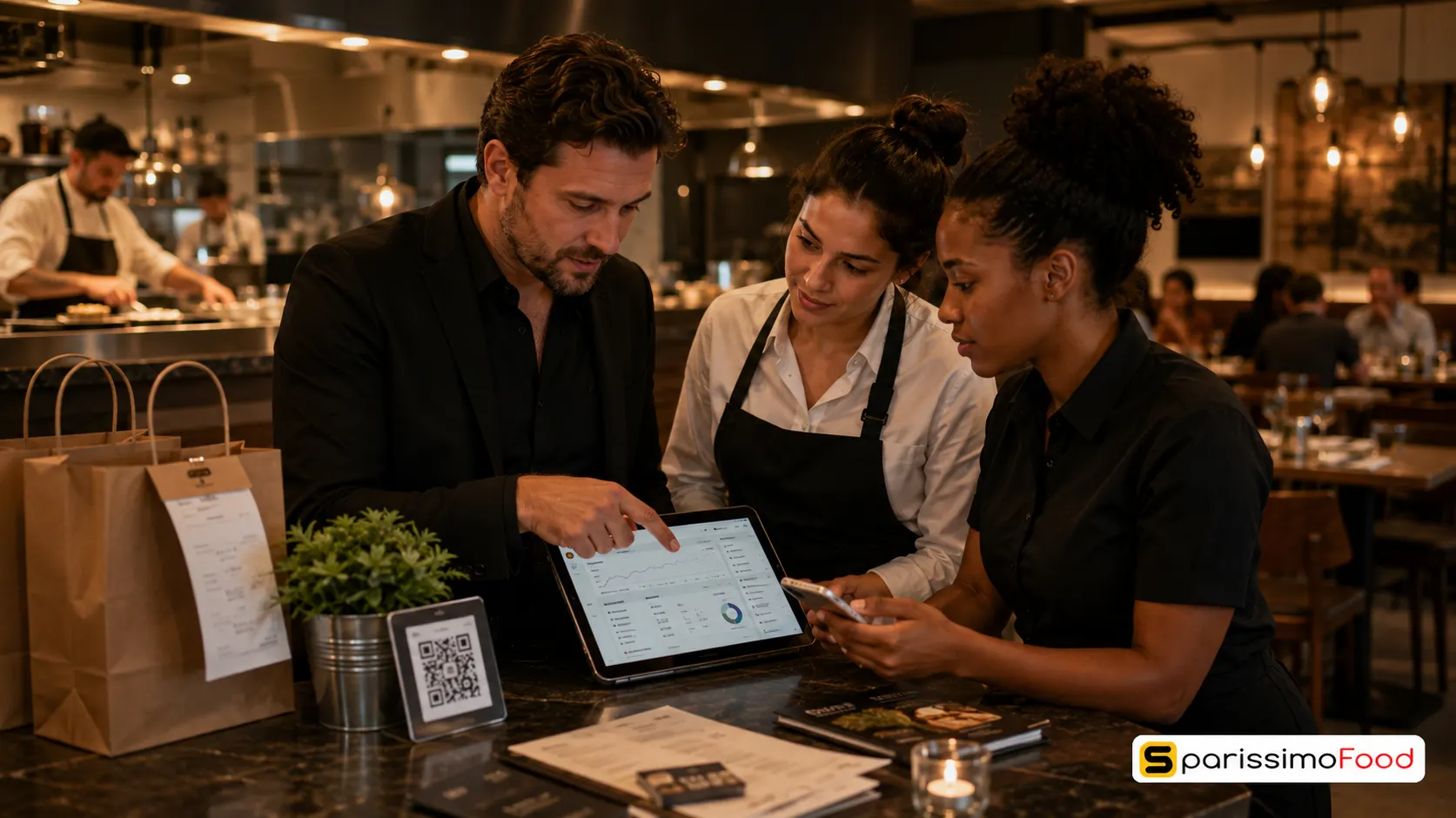

Quick Answer: Running a successful small restaurant requires shifting from intuitive management to a structured, data-driven weekly operating system. Many full-service restaurants use 60% to 65% of net sales (excluding MWST) as an initial prime-cost benchmark. By standardising kitchen recipe sheets, managing gross employment costs, tracking weekly cash flow forecasts, and using direct digital checkout tools to speed up payment times, Swiss operators can protect their operating margins without relying on expensive advertising.
Many independent restaurant owners start their businesses out of a passion for food and hospitality. However, passion alone is not enough to sustain a business. International industry benchmarks often place full-service restaurant net margins around 3% to 5%, although actual Swiss results vary substantially by concept, location, rent, and labour structure, as documented in studies like the Grubhub profit margin analysis.
To run a restaurant successfully in Switzerland’s high-cost environment, you must manage your business as a structured operational system. By establishing standard operating procedures (SOPs) and monitoring a weekly management scorecard, you can control raw food waste, schedule staff efficiently, and stabilise your cash flow. This guide outlines the essential pillars of restaurant management needed to run a profitable independent business.
Visual Inventory Control and Daily Kitchen Prep Systems
One of the most immediate ways to run a successful restaurant is to gain control over your kitchen’s daily food prep and stock levels. Managing inventory by “vibe” leads to either running out of key ingredients during a busy dinner service or throwing away spoiled food at the end of the week.
Establishing Daily Prep Lists and Par Levels
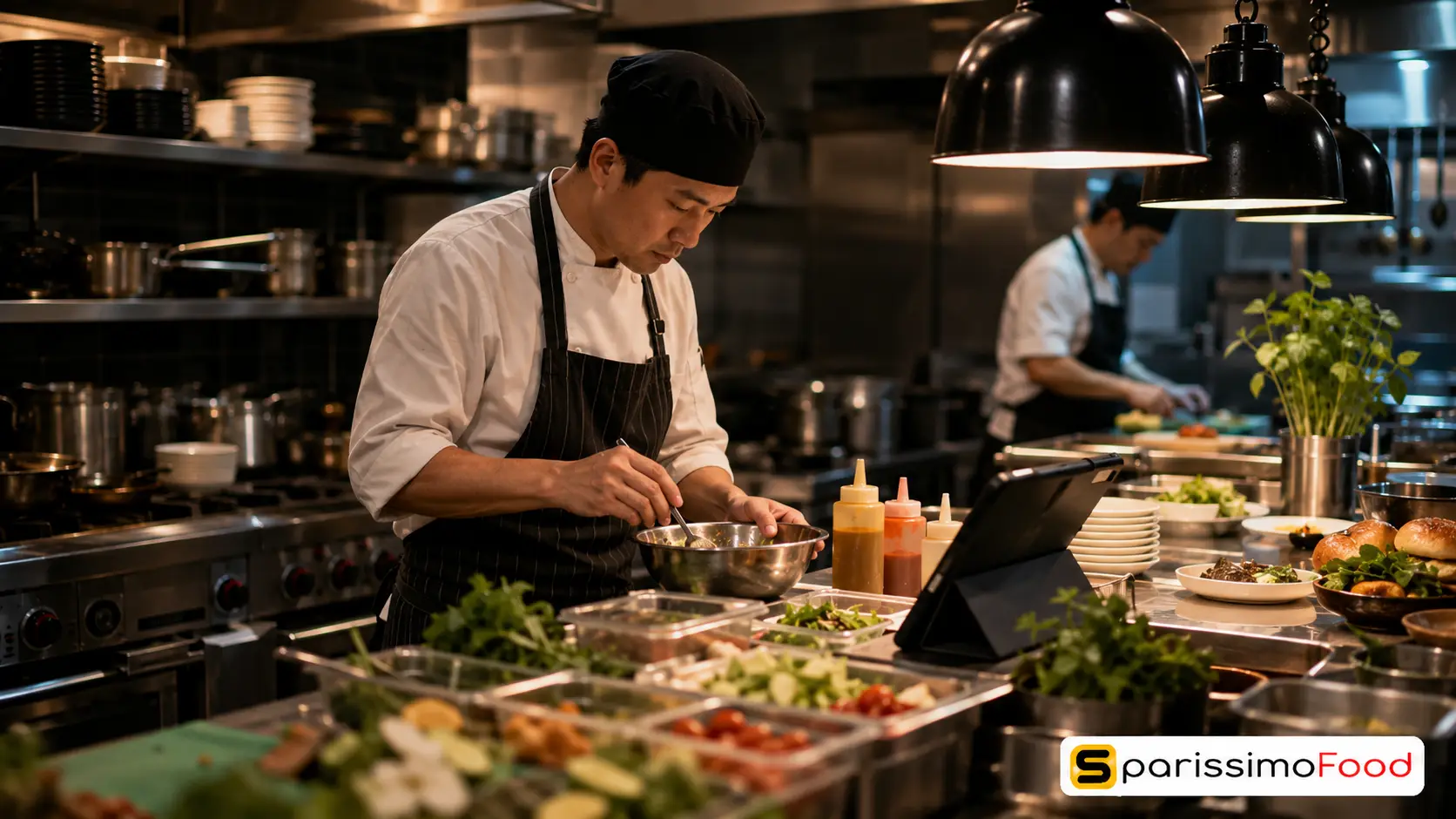
Your kitchen team should never guess how much food to prepare before a shift. Implement a prep sheet based on “par levels” — the minimum amount of prepped food needed to get through a typical shift. Calculate these levels based on your average sales for each day of the week (for example, your prep levels for a busy Saturday night should be higher than for a quiet Tuesday afternoon). The head chef should fill out the prep sheet every morning by checking the current prepped stock and subtracting it from the day’s par level.
Visual Inventory and FIFO Systems
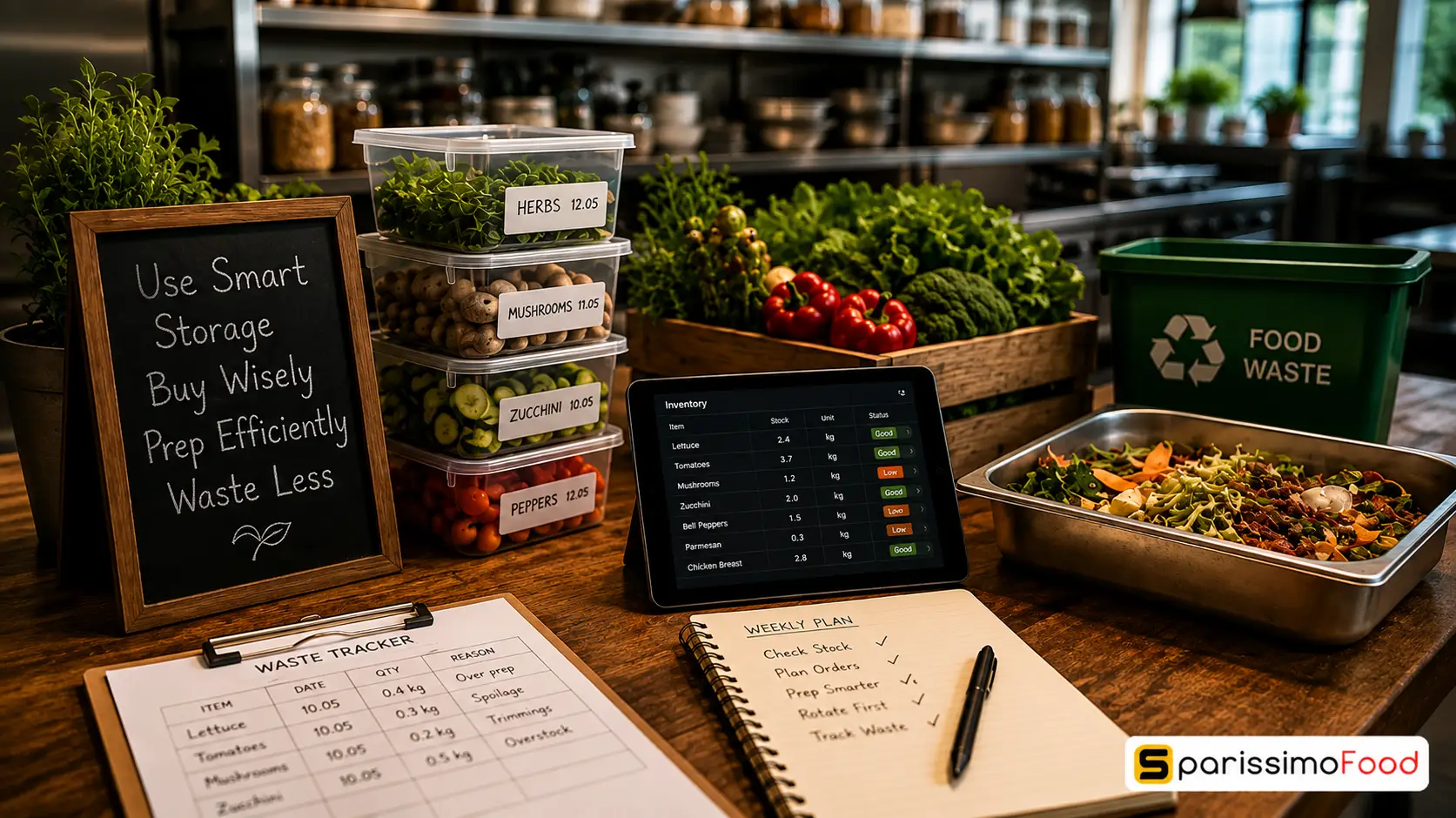
Protect your ingredient margins by organizing your walk-in cooler and dry storage area visually:
- The FIFO Layout: Implement a strict First-In, First-Out (FIFO) system. Place newer deliveries of dairy, meats, and produce behind older stock to ensure older items are used first.
- Label and Date: Label every container with the item name, prep date, and initials of the team member who prepped it.
- Visual Storage: Use clear plastic containers instead of cardboard boxes so your kitchen team can see stock levels at a glance.
Setting Up a Daily Waste Log
If you do not track what you throw away, you cannot control your food costs. Place a simple physical clipboard next to your kitchen waste bin. Every time a chef throws away spoiled produce, burnt bread, or incorrect orders, they must write down the item name, quantity, and reason on the waste sheet. Reviewing this log weekly helps you identify if you are over-purchasing or if your kitchen staff needs retraining on portion control.
Standardising Operations: Recipes and Shift Playbooks
A major reason small restaurants fail is inconsistency. If your food quality, portion sizes, or service speed vary depending on which chef or server is working, customers will not return. Standardisation is the foundation of repeat business.
Standardising Recipes and Portion Control
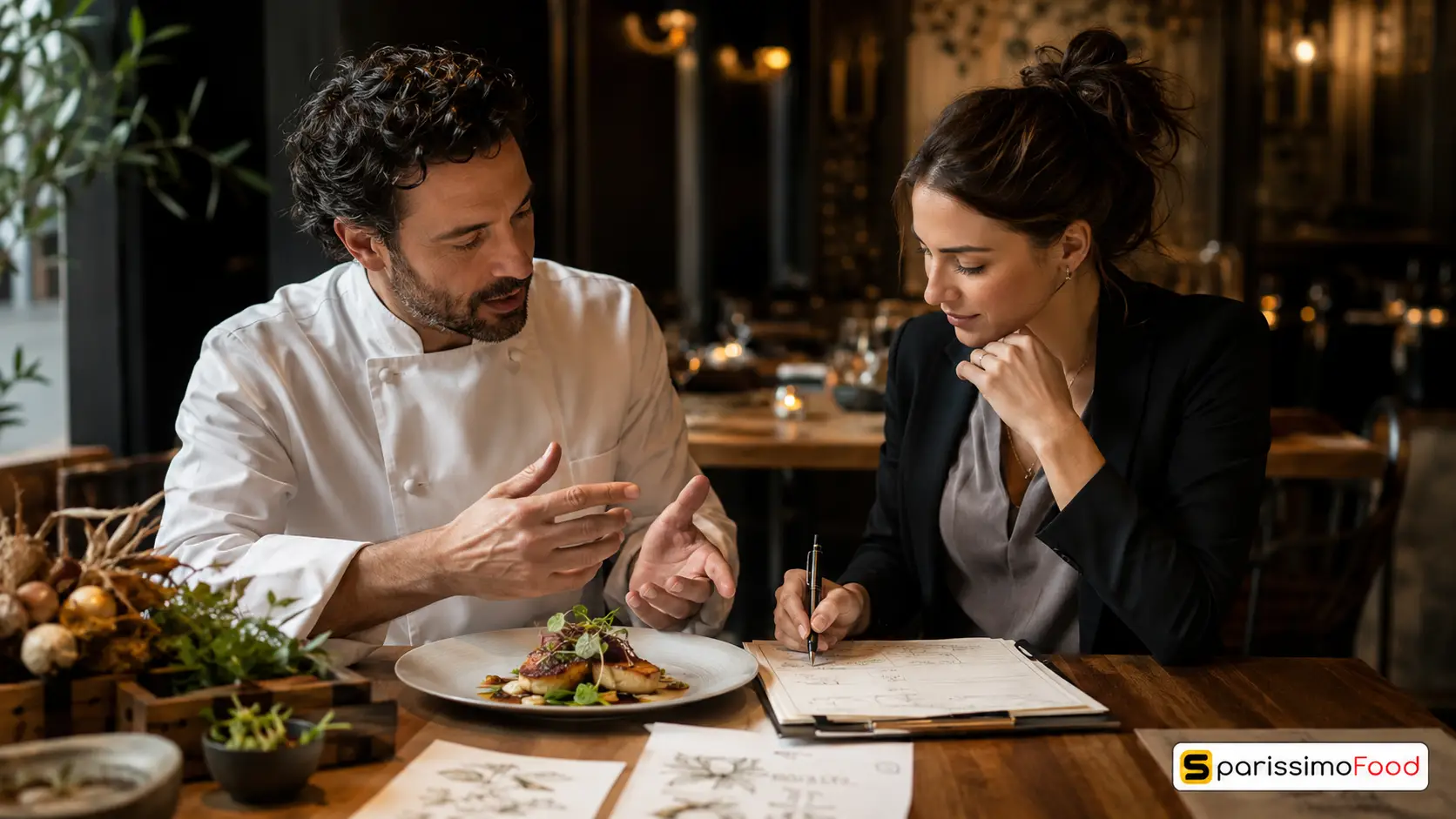
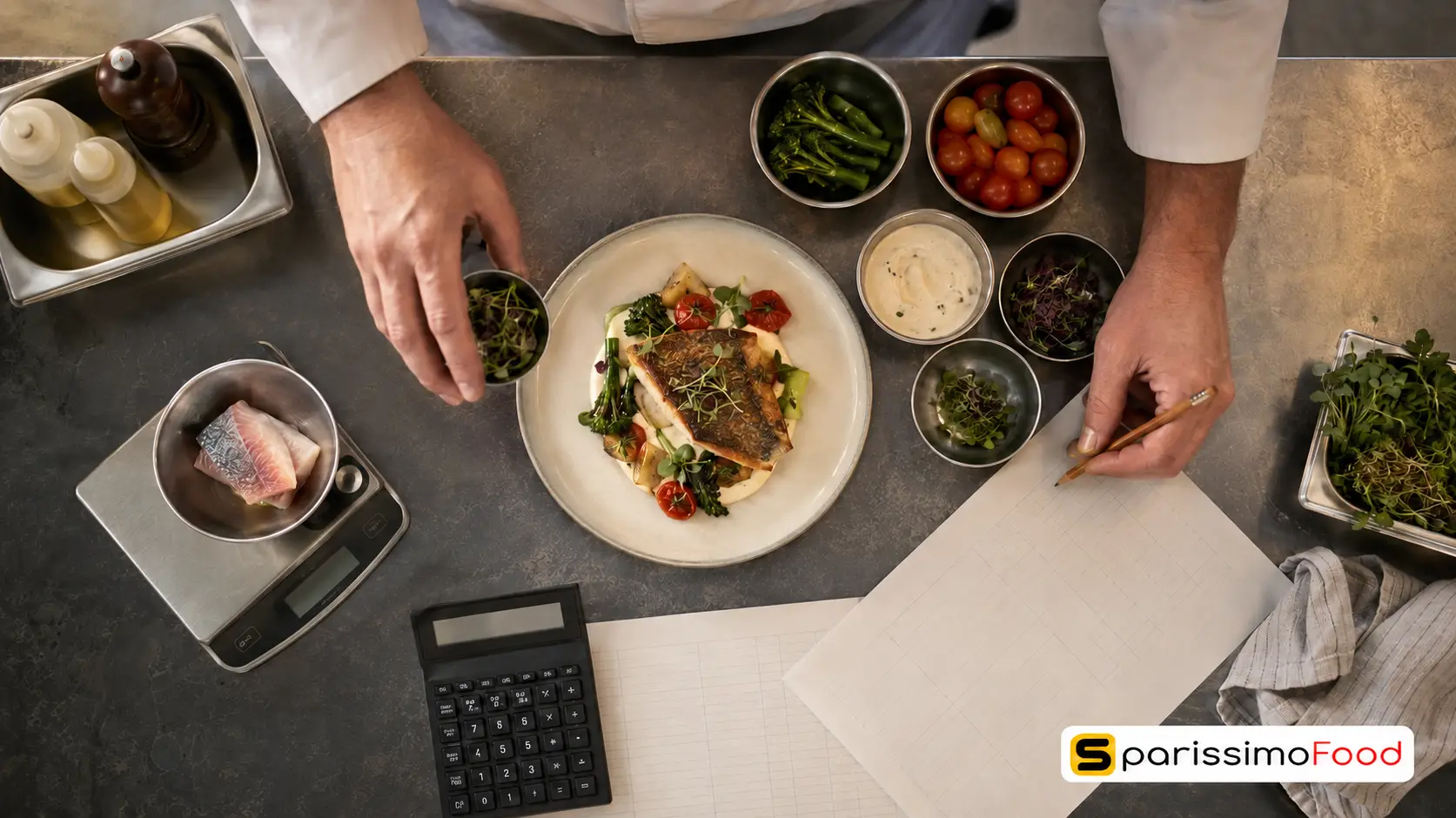
Every dish on your menu must have a detailed recipe sheet that lists the exact weight of each ingredient in grams, the preparation steps, and a photo of the final presentation. This standardisation is crucial for consistent quality and cost control. Using precise measurements prevents over-portioning, which directly inflates your COGS. To build structured costing sheets, read our guide on restaurant recipe management.
Standard Operating Procedures (SOPs)
Create clear checklists for every shift:
- Opening Procedures: Detailed tasks for setting up the dining room, firing up kitchen equipment, and prepping ingredients.
- Closing Procedures: Cleaning checklists, food storage safety checks, and cash reconciliation steps.
- Cleaning Schedules: Daily, weekly, and monthly tasks to maintain hygiene standards.
Implementing and Auditing SOPs
Writing checklists is only the first step. To ensure SOPs are followed, you must build them into your daily management routine:
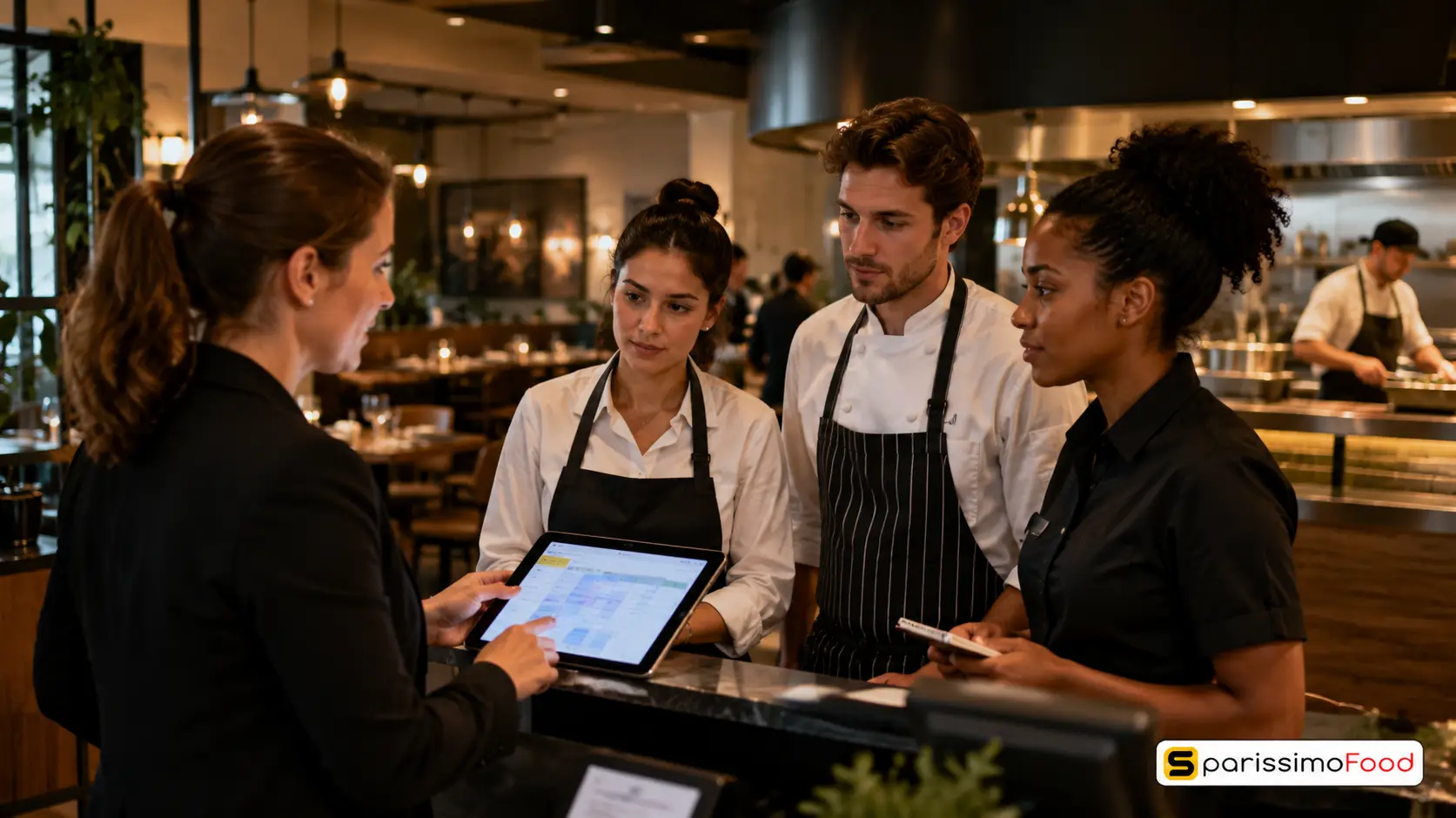
- Training: Walk every new employee through the checklists during their onboarding phase.
- Accountability: Assign specific sections of the checklists to individual team members on each shift.
- Auditing: Conduct weekly walkthroughs to inspect cleanliness, equipment maintenance, and prep standards against the written SOPs.
Menu Engineering: Optimising Profit Margin on Every Plate
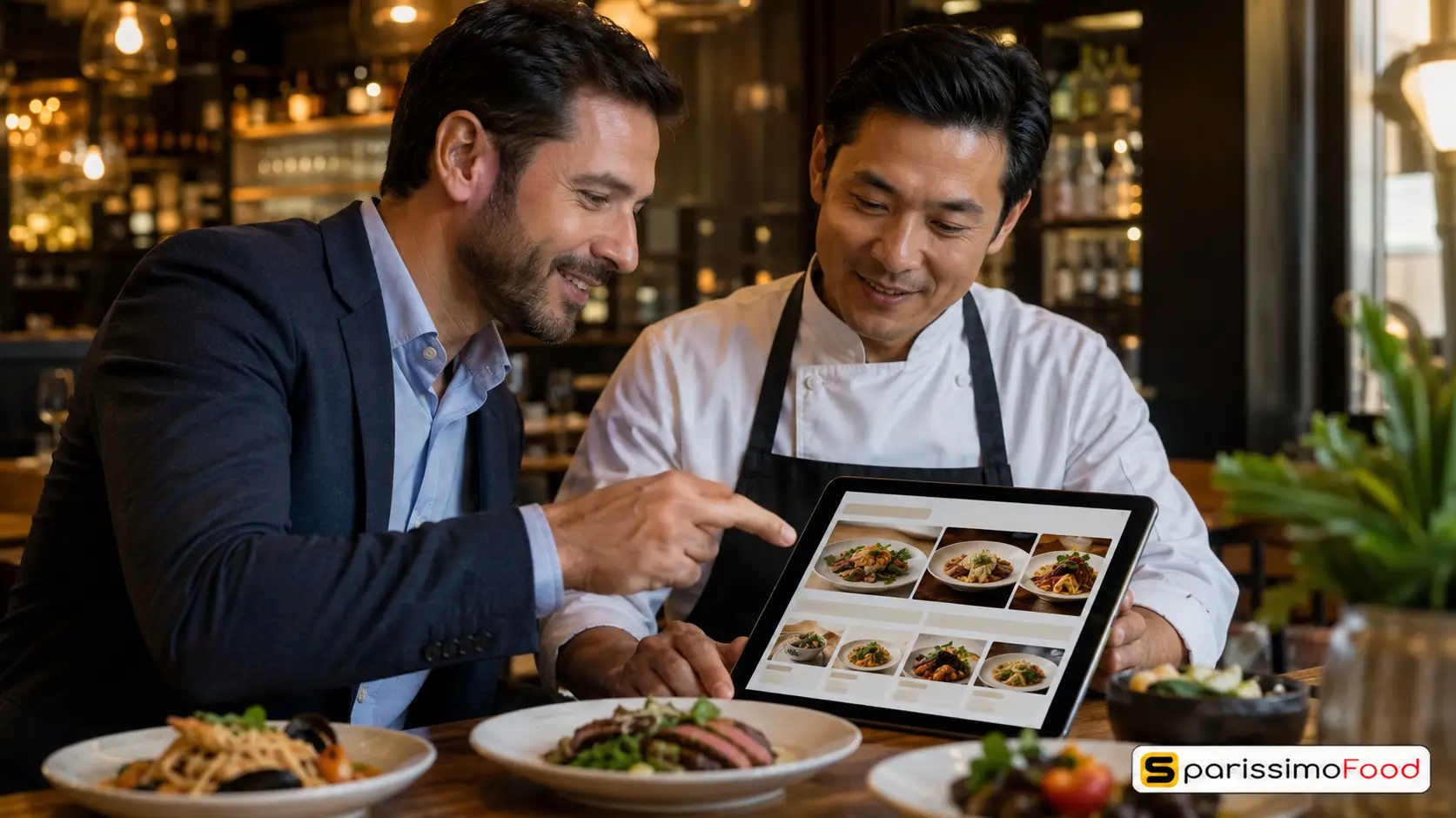
A large, complex menu is often a financial burden for a small restaurant. It requires a larger inventory, leads to higher food waste, increases prep times, and complicates kitchen operations. Streamlining your menu is one of the most effective ways to boost profitability.
Menu Design and Category Management
Categorise your dishes into one of four menu engineering quadrants based on popularity (sales volume) and profitability (contribution margin):
- Stars (High Popularity, High Profit): Highlight profitable and popular dishes with clear labels, restrained visual emphasis, and strong descriptions. Do not rely on a universal “top-right sweet spot”; actual attention varies by menu format and design.
- Plowhorses (High Popularity, Low Profit): Re-engineer these dishes by adjusting portion sizes, swapping ingredients, or increasing the price to boost margins.
- Puzzles (Low Popularity, High Profit): Focus on promoting these items through suggestive selling or menu placement.
- Dogs (Low Popularity, Low Profit): Review Dogs for removal, repricing, reformulation, or seasonal availability. Retain them only when they serve a clear strategic purpose (such as dietary coverage or signature identity).
Hypothetical Basel Example
Suppose a restaurant currently throws away CHF 600 of ingredients per week. A 15% reduction in food waste through menu simplification would save CHF 90 weekly. Measure the real result using waste logs before and after simplifying the menu. To implement these changes, read our guide on restaurant menu pricing strategies.
Staff Management and Retention: Navigating L-GAV Regulations
Labour is one of your largest operating expenses, and staff turnover is a major cost driver. While replacement costs vary significantly based on role, recruitment channels, and training duration, operators should calculate their true replacement cost using this formula: [\text{Replacement Cost} = \text{Recruitment Spend} + \text{Manager Hiring Time} + \text{Onboarding Wages} + \text{Overtime Cover} + \text{Productivity Gap}]
Role-Based Onboarding Milestones
High turnover is often caused by poor onboarding. Instead of using a fixed timeframe, evaluate new hires using role-based onboarding milestones:
- Menu and Safety Knowledge: Understanding ingredients, allergens, and safety protocols.
- Independent Station Operation: Executing prep and service at their designated station without constant supervision.
- POS Competence: Entering orders and handling transactions accurately.
- Closing Procedure Competence: Completing cleaning and stock tasks at the end of the shift.
- Supervisor Sign-Off: Final review by the head chef or manager.
Navigating Swiss L-GAV Regulations
Small restaurants in Switzerland must comply with the Landes-Gesamtarbeitsvertrag (L-GAV) for the hospitality industry.
- Minimum Wages: The L-GAV sets binding minimum wages based on the employee’s qualification level and education.
- Scheduling Notice: Year-round businesses must prepare written schedules two weeks in advance for a two-week period. Seasonal businesses must generally prepare them one week in advance for one week. Changes after publication require mutual agreement except in urgent cases. Refer to the official L-GAV Art 21 working schedule rules to support compliance.
- Training Subsidies: L-GAV-supported programmes, including Progresso, may be free or heavily subsidised depending on the programme and eligibility conditions.
Cash Flow, Supplier Management, and Service Recovery
A successful restaurant is built on reliable supply chains, healthy cash flow reserves, and a strong guest experience.
Cash Flow Forecasting
Profit does not equal cash. To avoid liquidity issues, maintain a weekly cash forecast that tracks incoming revenue against outgoing expenses. Set aside dedicated reserves for quarterly MWST payments (the standard Swiss rate is 8.1%, while the reduced rate for takeaway food is 2.6%) and build an emergency cash buffer equivalent to three months of operating expenses.
Supplier Management and Demand Forecasting
Do not rely on a single food supplier. Compare prices weekly and establish backup suppliers for key ingredients to protect your kitchen against delivery failures. Use historic POS sales data to forecast daily demand, adjusting your ordering quantities for factors like weather, weekday trends, and local events to minimise food waste.
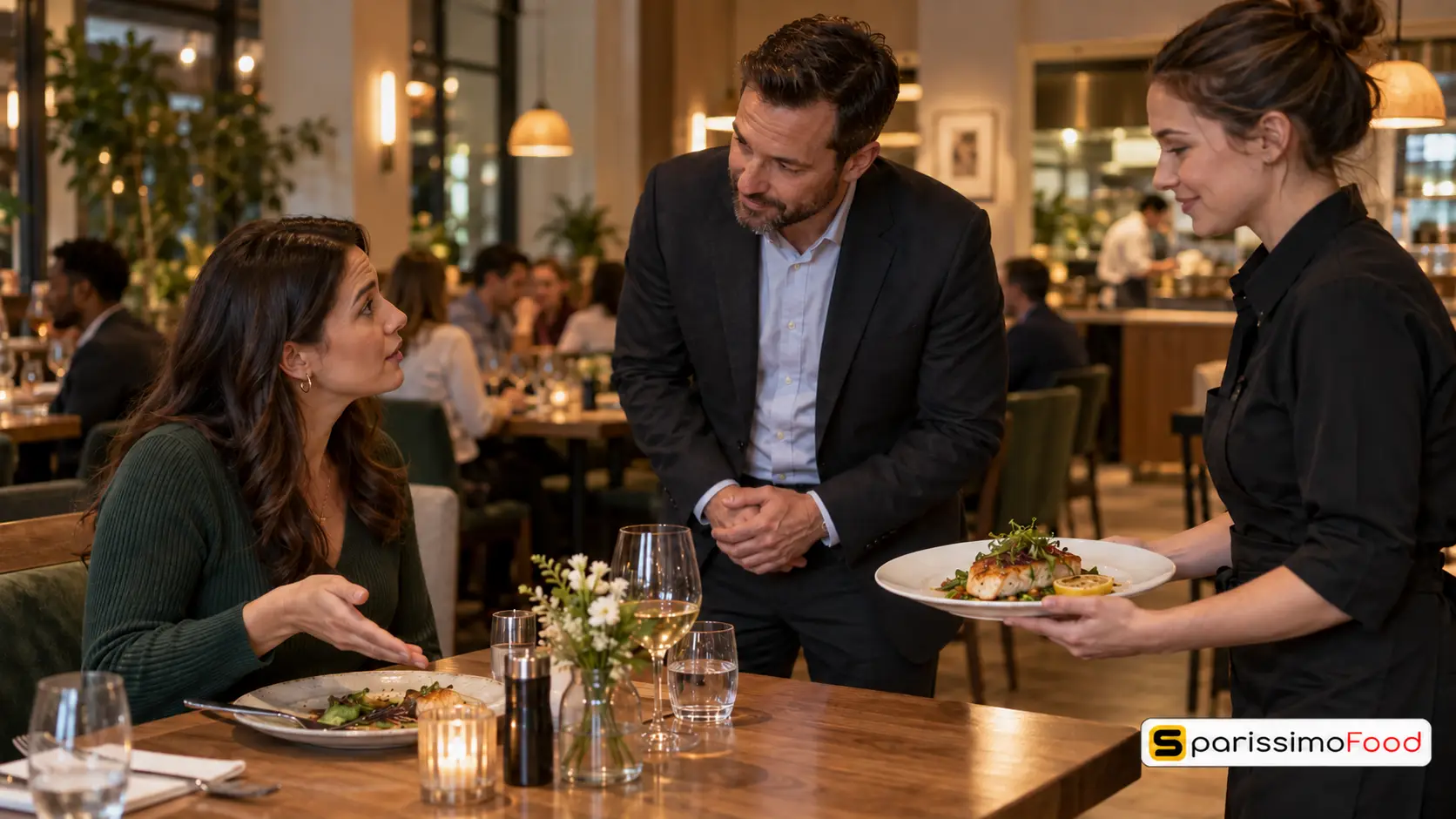
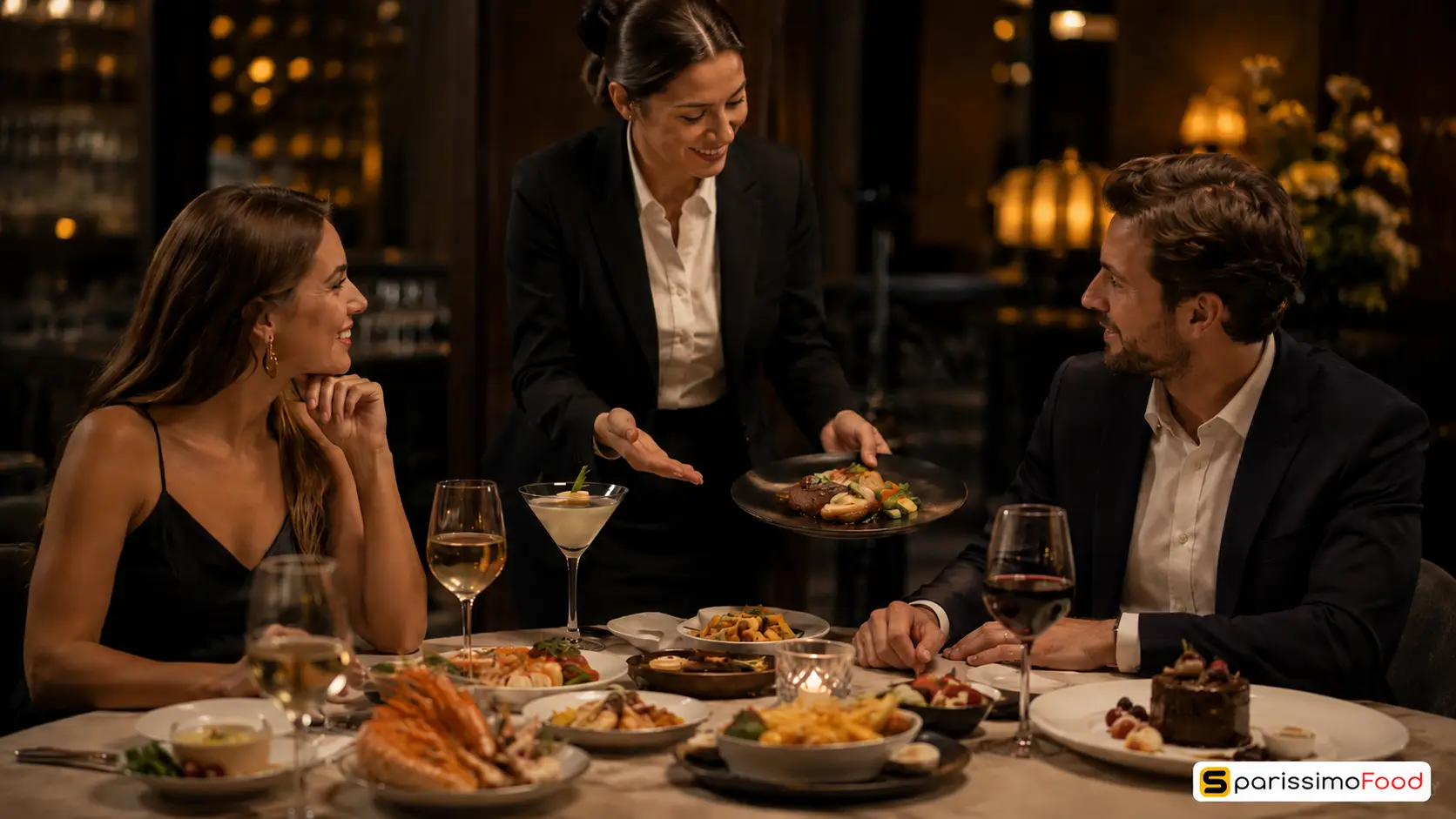
Guest Experience and Service Recovery
Your frontline staff must be trained to handle guest complaints professionally. If a customer is unhappy with a meal, use a structured service-recovery process: acknowledge the problem, correct it immediately (by replacing the dish or removing it from the bill), log the issue to prevent repeats, and follow up. This ensures a negative experience does not prevent the guest from returning.
How SparissimoFood Helps With Running a Successful Restaurant
Running a successful small restaurant requires stable, integrated digital tools. SparissimoFood provides independent Swiss restaurants with the technology needed to streamline operations, capture customer data, and protect operating margins.
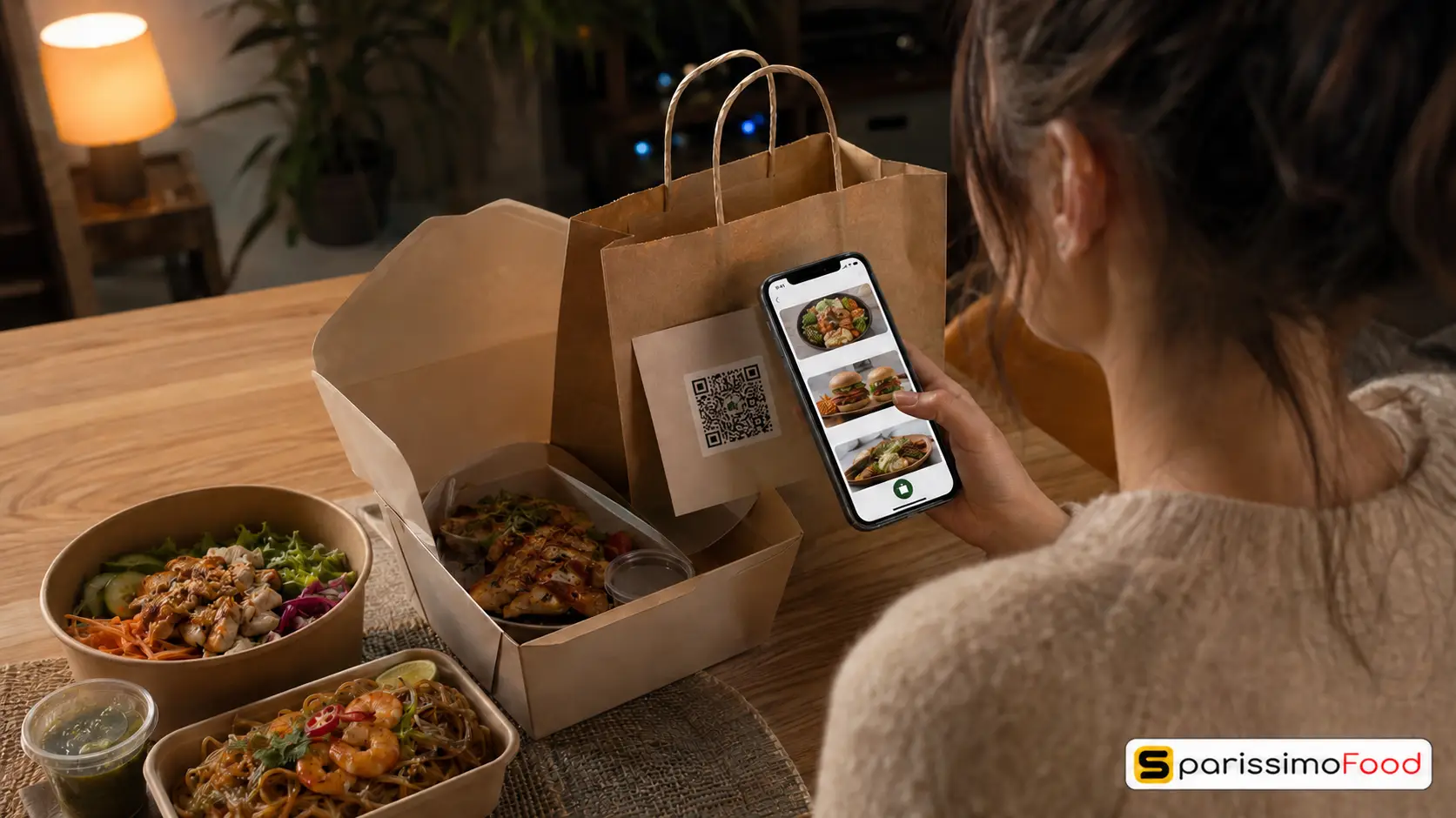
The platform includes a built-in restaurant website builder and a direct online ordering system that handles delivery, takeaway, and dine-in QR code orders. By embedding your custom ordering link on your website and Google Maps profile, you steer guests directly to your checkout. This direct ordering channel keeps more margin in your business, helping you avoid the higher marketplace commissions associated with third-party delivery platforms. To compare margins, read our analysis of how much Just Eat charges in Switzerland.
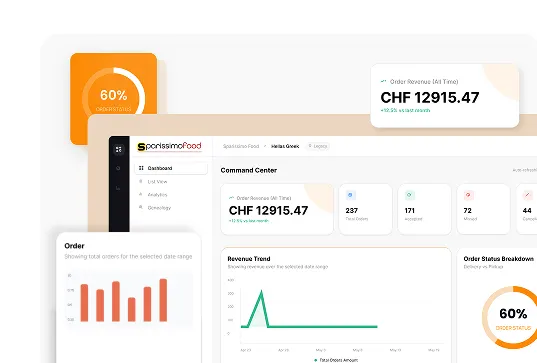
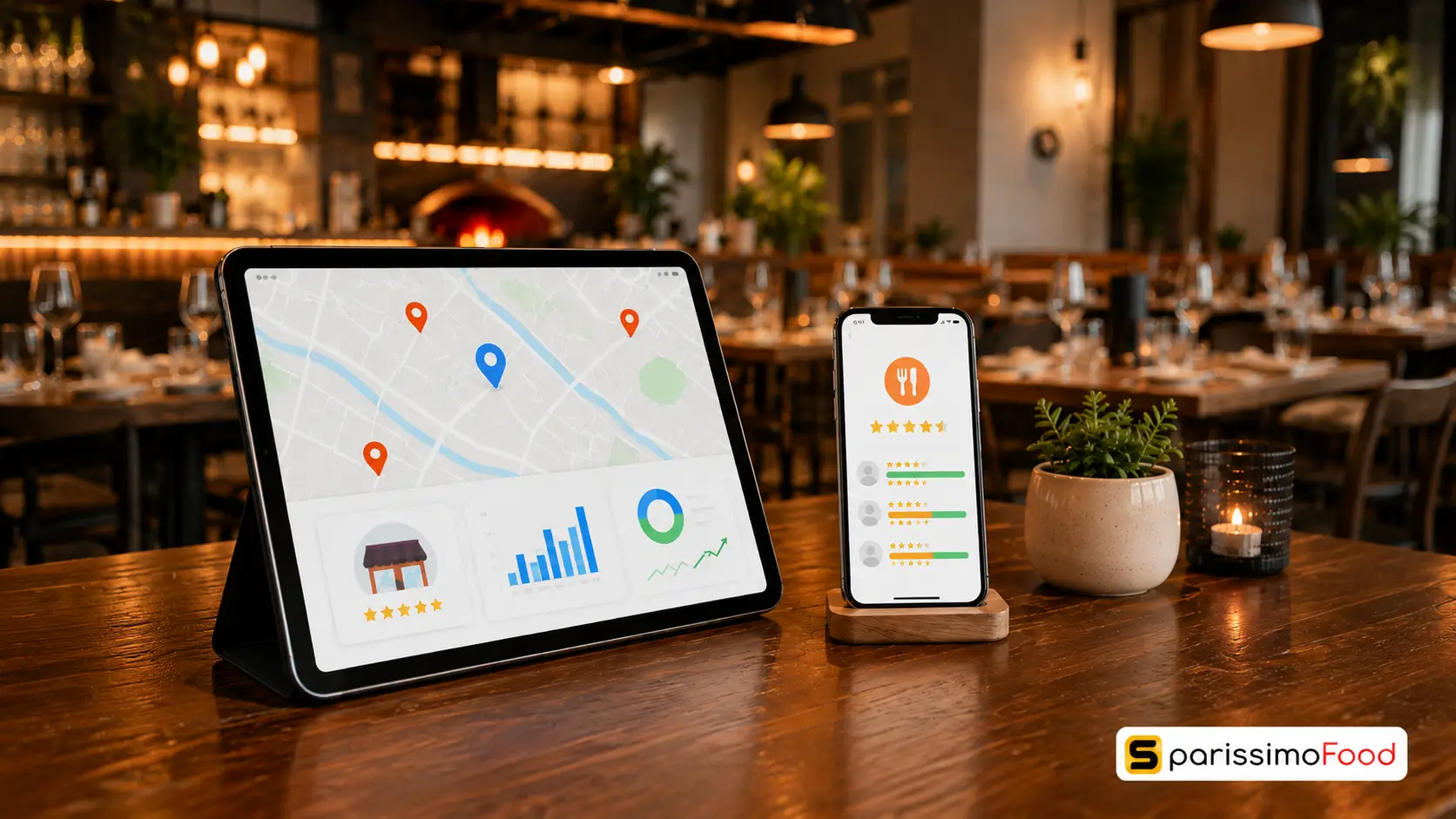
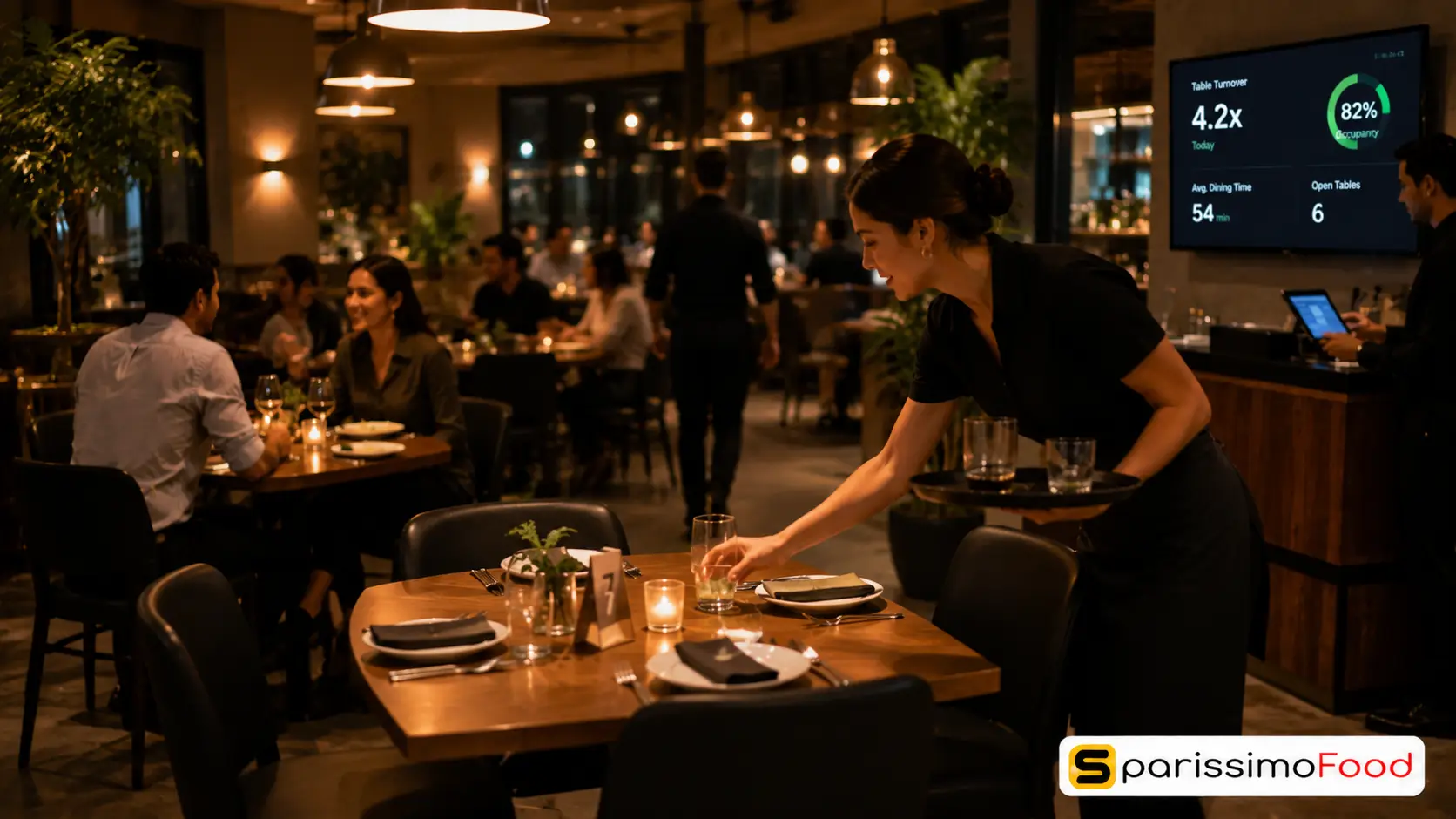
The manager dashboard provides real-time order tracking and sales performance, helping you monitor average order values. To prevent kitchen bottlenecks during busy shifts, the online ordering system includes order pacing tools that allow you to adjust prep times or temporarily pause online ordering with a single tap.
Pricing runs from a CHF 49/month Starter tier at 8% commission down to 5% commission on the Business (CHF 79/month) and Professional (CHF 148/month) tiers — always confirm current packages and trial terms on the plans page, since these change over time. To view options and select the right plan for your location, visit direct online ordering plans.
Weekly Management Scorecard
To monitor the health of your restaurant operations, track these key metrics on your weekly scorecard:
| Metric | What It Measures | Target Range | Action If Outside Target |
|---|---|---|---|
| Prime Cost | Food cost + gross labour cost as a % of net sales. | 60% – 65% | Audit scheduling or renegotiate supplier prices. |
| Food Cost | Cost of ingredients as a % of food sales. | 28% – 35% | Check portion sizes and log raw food waste. |
| Labour Hours per Cover | Total hours worked divided by total guests. | Concept-dependent | Optimise shift schedules for slower weekdays. |
| Ticket Time | Average duration from order entry to food delivery. | 10 – 15 minutes | Streamline kitchen station prep or throttle orders. |
| Repeat-Customer Rate | Percentage of orders placed by returning guests. | 30% – 50% | Send a targeted win-back campaign to lapsed guests. |
| Cash Balance Forecast | Projected cash reserves for the next 4 weeks. | Positive | Delay non-essential purchases or adjust payment terms. |
Frequently Asked Questions
What is a healthy food cost percentage for a small restaurant? A healthy food cost percentage for most small, full-service restaurants ranges between 28% and 35% of food sales. This target varies depending on your menu style and pricing structure, so you should calculate it weekly using your actual purchases and inventory records, benchmarking specifically against food sales rather than total revenue.
How do I manage Swiss L-GAV regulations for my staff? Use digital scheduling software that automatically tracks daily working hours, breaks, and rest days. Ensure your rosters comply with L-GAV rules on maximum weekly hours (which vary: 42 hours for standard businesses, 43.5 hours for seasonal businesses, and 45 hours for qualifying small businesses with 4 or fewer employees) and keep accurate digital records. For complex cases, consult the L-GAV control office.
Should a small restaurant use a POS system with inventory tracking? It is often valuable, but the right level of integration depends on menu complexity, volume, number of locations, and budget. For a small, limited-menu operation, weekly physical inventory and a simpler POS may be adequate, whereas high-volume operations benefit from real-time tracking.
How does menu size affect kitchen efficiency? A smaller menu improves kitchen efficiency by reducing prep times, simplifying inventory management, and speeding up ticket times during peak hours. It allows your kitchen team to focus on executing a smaller number of dishes at a higher, more consistent standard.
What is the best way to handle food safety self-control in Switzerland? Cleaning and inspection plans must be part of your business’s formal self-control concept and follow good manufacturing practice principles along with HACCP. Swiss operators must maintain written documentation of temperature checks, cleaning tasks, and supplier traceability to comply with cantonal food safety inspections.
Operating with structured systems is the most reliable path to a profitable kitchen.
.Ds4FHhSq_ZxC9WE.webp "Restaurant Upselling Techniques That Don't Feel Pushy")




.CXCr6fQt_Z11gsYh.webp "Build a Branded Restaurant App Without Developers")
.y09Xtv8Z_1gH6f6.webp "Set Up Restaurant Online Ordering in Under a Week")
.B-Rl4IDw_Z204OoN.webp "Restaurant Loss Prevention and Theft Guide")
.DPpk5JZR_AlrVy.webp "Restaurant Communication During Peak Hours | Guide 2026")
.B6eEizW1_Z2bHQYl.webp "Restaurant Menu Pricing Strategies That Actually Protect Your Margins in 2026")
.CRszlDy5_2neUXu.webp "How to Migrate from GloriaFood Without Disruption: A Technical Step-by-Step Guide")
.kT6N2QP-_1Tp2j1.webp "GloriaFood Is Shutting Down on April 30, 2027 — What Every Restaurant Owner Needs to Do Now")