
Restaurant Loss Prevention and Theft Guide
.B-Rl4IDw_2gL00W.webp "Restaurant Loss Prevention and Theft Guide")

Quick Answer: Reducing restaurant shrinkage requires a combination of strict inventory audits, secure POS permission settings, and clear cash handling procedures. By establishing blind cash register counts, limiting voids and refunds to managers, auditing supplier deliveries on the loading dock, and maintaining detailed recipe standards, operators can protect their inventory and cash reserves. Fostering a culture of fair treatment and open communication remains the most effective long-term deterrent against internal theft.
Many independent restaurant owners focus their energy on attracting new guests and increasing sales, yet ignore the profit leaks happening within their own four walls. Inventory shrinkage and employee theft are significant contributors to lost margins in the hospitality industry. According to retail and hospitality research published by Solink, internal employee theft accounts for a substantial portion of all retail and hospitality shortages, directly impacting thin operating margins.
In Switzerland’s competitive restaurant industry, where operating margins are already pressured by high rent and labour costs, failing to prevent shrinkage can make the difference between profit and loss. While absolute margins vary across different concepts, protecting your existing cash and stock is the most direct way to secure your bottom line. This guide provides practical, actionable strategies to secure your operations and prevent inventory losses.
Securing Cash and Payment Operations
Cash handling and transaction settlement are the areas most vulnerable to immediate loss. Without structured checkout procedures, minor discrepancies at the cash register can quickly grow into systemic losses.
Implementing Blind Cash Counts
One of the most effective ways to prevent register skimming is the blind cash count. When a server finishes their shift, they must count the cash in their till and record the total on a slip of paper, without seeing the system-expected sales total on the Point-of-Sale (POS) screen.
- The Reconciling Manager: Only the manager on duty should access the POS report to compare the employee’s physical count against the system records.
- Investigating Discrepancies: By keeping the expected total hidden from the staff member, you eliminate the temptation to pocket any excess cash when the till is over, making register audits highly reliable.
Restricting POS Permissions and Tracking Voids
POS fraud is often committed through post-sale voids, fake refunds, or excessive promotional discounts. Train your team to follow strict POS security protocols:
- Manager Overrides: Restrict high-risk POS actions such as processing refunds, deleting items from open tickets, or overriding prices to managers only. Service staff should never have the authorization to clear a bill or issue a refund without supervisor approval.
- Individual Login Codes: Require every team member to use a unique personal login code or key card to access the POS terminal. Sharing login credentials makes it impossible to trace discrepancies back to specific shifts or individuals.
Tighter Inventory Controls and Receiving Protocols
Food and beverage ingredients are vulnerable to physical shrinkage. Because inventory is easily consumable, establishing strict controls over how ingredients enter your building and how they are stored is essential.
Loading Dock Audits and Vendor Controls
Inventory loss often starts at the receiving dock. Vendor delivery drivers can easily make mistakes or short-ship orders, leaving you paying for stock you never received.
- Double-Check Deliveries: Assign a trusted manager or supervisor to receive every delivery. They must physically count the cases, weigh bulk ingredients, and verify expiration dates against the delivery note before signing for the order.
- Refusing Discrepancies: If items are missing or damaged, cross them out on the delivery sheet immediately and request a credit note from the supplier before the driver leaves.
Restricting Access and Locking High-Value Stock
High-value inventory such as premium meats, seafood, spirits, and wines requires physical security.
- Locked Storage Cabinets: Store premium alcohol and expensive dry ingredients in locked cabinets or wire cages. Access to these keys should be restricted to the head chef and the manager on duty.
- Walk-in Security: Ensure your walk-in coolers and external storage rooms can be locked securely at the end of the night. Regularly review who has keys or access codes to these areas to prevent unauthorised entry outside operating hours.
Recipe Standardisation and Waste Logging
Not all inventory shrinkage is caused by theft. A large portion of food loss stems from poor portion control, kitchen mistakes, and unrecorded ingredient spoilage. Controlling these operational variables is key to running a successful restaurant.
Recipe Standardisation and Portions
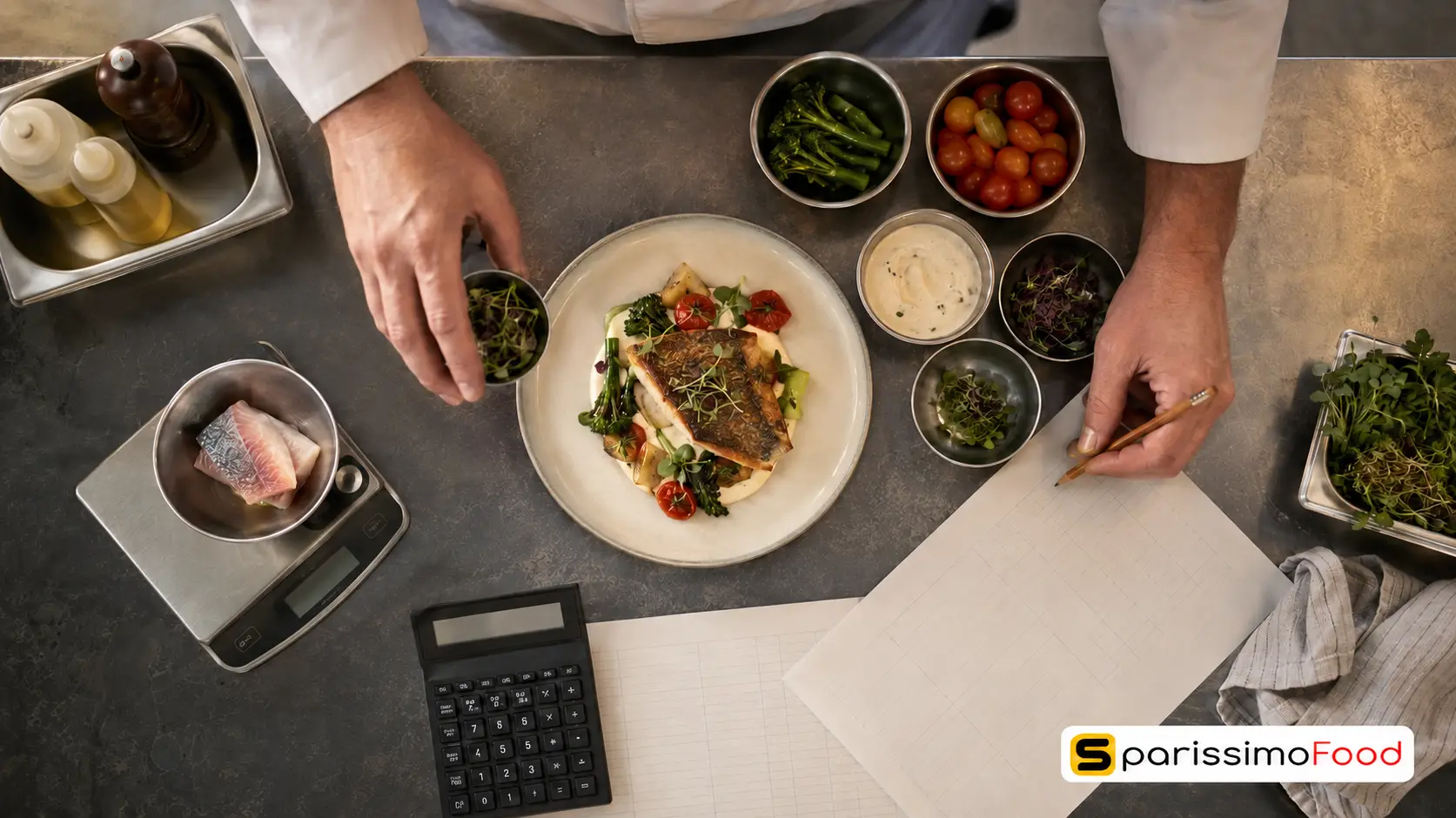
Standardising your kitchen operations is the first step toward reducing waste. Every dish on your menu must have an exact recipe sheet listing ingredient weights in grams, preparation steps, and presentation guidelines. Using portion scoops, scales, and measuring cups ensures that chefs do not over-portion dishes, which protects your food margins. To set up structured recipe sheets, read our comprehensive guide on restaurant recipe management.
Implementing a Physical Waste Log
To identify where food losses are occurring, you must record every ingredient that is discarded:
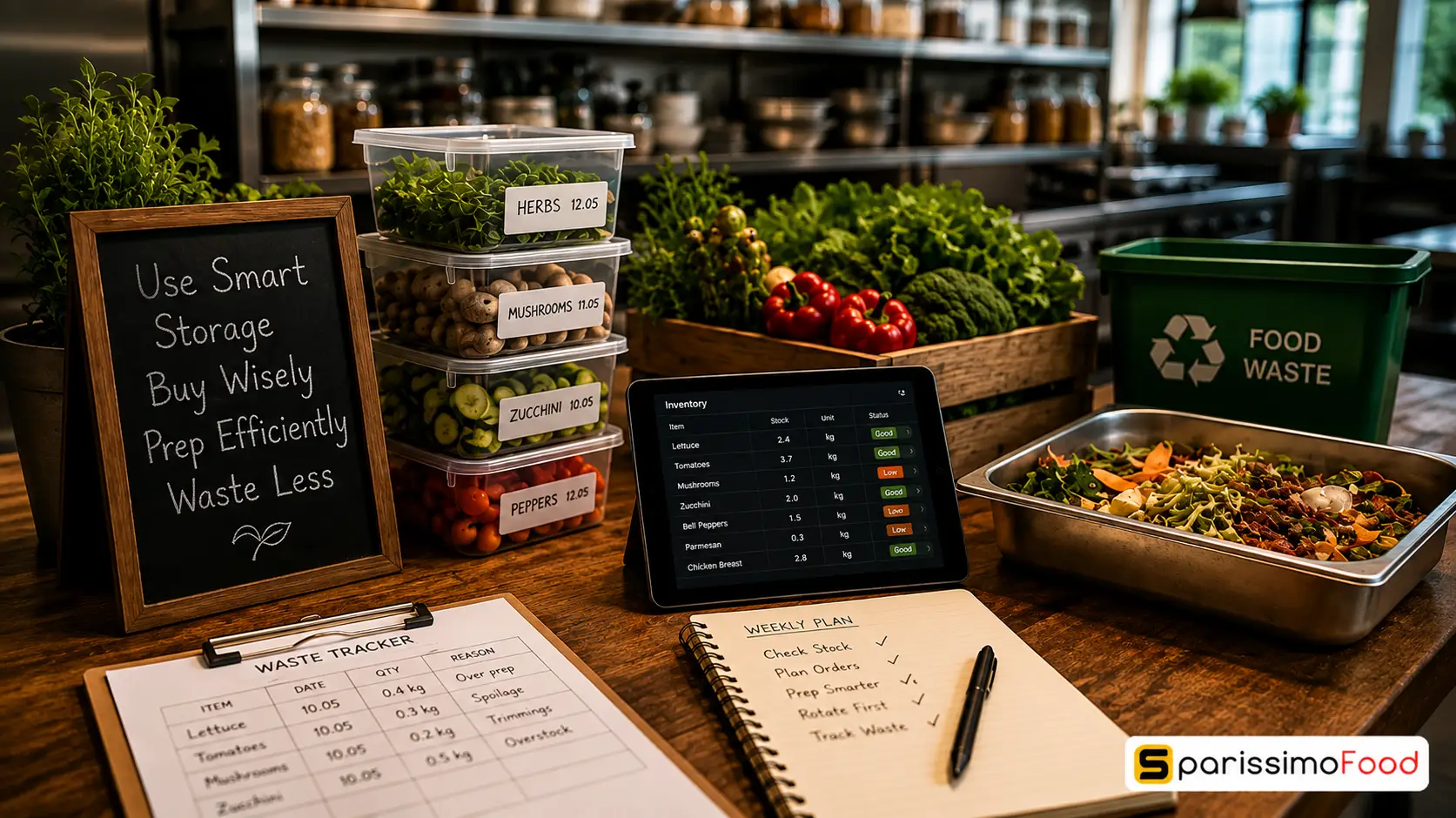
- Bin Clipboards: Place a simple physical clipboard next to your kitchen waste bin.
- Logging Entries: Every time a chef throws away spoiled ingredients, burnt food, or incorrect orders, they must write down the item name, weight or portion count, and the reason (e.g., “spoiled,” “burnt,” “kitchen error”).
- Weekly Audits: Review the waste sheets weekly to identify patterns, such as a specific station producing high waste or a supplier delivering ingredients with a short shelf life.
Strategic POS Monitoring and Shift Auditing
Modern restaurant POS systems generate data that can help you identify suspicious transaction patterns. By setting up exception-based reporting, you can spot potential employee theft without manually sifting through every receipt.
Exception-Based Transaction Auditing
Look for transaction patterns that deviate from your restaurant’s average:
- Void-to-Sales Ratio: Monitor the number of voids and refunds processed on each shift. A high void rate on a specific server’s login code is a common indicator of cash skimming, where sales are rung up, paid in cash, and then deleted from the system.
- Unusual Discounting: Audit promotional discounts and complimentary items. If a specific employee frequently applies discounts or comps, they may be “sweethearting” giving away free food to friends or family without authorization.
- No-Sale Key Usage: Limit the use of the “no-sale” drawer release key, which opens the cash drawer without a transaction. The POS should log every instance of this action, and managers should review the logs to ensure the drawer is only opened for legitimate change runs.
Building an Actionable Loss Prevention Culture
The most effective way to prevent theft is to build a culture of trust, accountability, and clear communication. When employees understand how shrinkage impacts the business, they are more likely to support your loss prevention efforts.
Setting Clear Guidelines
Clearly define what constitutes theft during onboarding. Some team members may not realise that eating unrecorded snacks in the kitchen, giving away free drinks, or taking home leftover food at the end of the shift is a form of inventory loss.
- Write It Down: Include clear guidelines on food consumption and guest comps in your employee handbook.
- Staff Meal Policies: Establish a clear staff meal policy, such as providing a designated, recorded meal during shifts, to ensure team members are fed without resorting to unrecorded grazing.
Fostering a Supportive Workplace
Employee theft is often linked to low morale or a feeling of unfair treatment. In Switzerland’s competitive labour market, operators must comply with the collective employment agreement (L-GAV) regulations regarding wages, working hours, and rest periods. Paying fair wages, maintaining positive working environments, and providing clear channels for staff feedback reduce the incentive for internal theft. To establish healthy operational systems, read our guide on how to run a successful restaurant.
How SparissimoFood Helps With Restaurant Loss Prevention
Minimising inventory and cash losses requires stable, integrated digital tools. SparissimoFood provides independent Swiss restaurants with the technology needed to secure transaction trails, monitor sales, and manage checkouts.
The platform includes a built-in restaurant website builder and a direct online ordering system that handles delivery, takeaway, and dine-in QR code orders. By routing orders through a direct digital checkout, you minimise cash-handling errors and register skimming. Guests pay online using secure Swiss payment methods like TWINT or credit cards, creating a digital transaction log that matches every order.
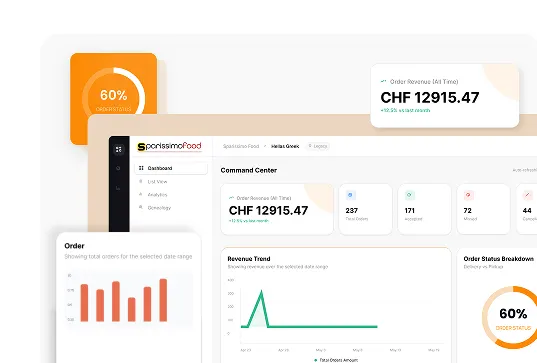
The manager dashboard provides real-time sales performance and order histories, allowing you to cross-reference sales data against your kitchen’s ingredient usage. To protect your kitchen team during peak rushes, the online ordering system includes order pacing tools that allow you to adjust preparation times or temporarily pause online ordering with a single tap. To learn how to manage order volumes effectively, read our guide on restaurant peak hour management.
Plans start at CHF 49 per month (8% commission) and step down to 5% commission on the Business (CHF 79/month) and Professional (CHF 148/month) tiers check the plans page for current terms, since a lower commission tier can offset the cost of the extra oversight tools. To view options and select the right plan for your location, visit direct online ordering plans.
Frequently Asked Questions
What is the difference between theft and shrinkage in a restaurant? Shrinkage is the loss of inventory due to all factors, including food waste, preparation mistakes, supplier delivery errors, and spoilage. Theft is a specific sub-category of shrinkage that involves the deliberate, unauthorised taking of cash, food, or assets by employees, customers, or suppliers.
How do blind cash counts prevent employee theft? Blind cash counts force employees to count and record the actual cash in their register without knowing the system-expected sales total. This prevents cash skimming, as the employee cannot pocket excess cash or manipulate the count to match the system’s target number.
Can a restaurant use video cameras over cash registers in Switzerland? Yes, but operators must comply with Swiss data protection laws (FADP/DSG). You can install surveillance cameras to protect assets in cash handling and storage areas, but you must inform your team, display signs, and ensure cameras do not monitor employee work stations for performance tracking.
How does recipe standardisation help reduce restaurant shrinkage? Recipe standardisation ensures that every dish uses exact ingredient weights, preventing over-portioning. By comparing the theoretical ingredient usage from your sales data against your actual physical stock levels, you can spot discrepancies caused by waste, spoilage, or theft.
What is the best way to handle supplier delivery discrepancies? Assign a manager to audit deliveries against the invoice at the loading dock. If there are shortages, cross out the items on the delivery note, have the driver initial the changes, and request a credit note. Logging every discrepancy also gives you the data to hold a specific supplier accountable if short-shipments become a recurring pattern rather than a one-off error.
Securing your inventory and cash is the most reliable way to protect your restaurant’s margins.

.Ds4FHhSq_ZxC9WE.webp "Restaurant Upselling Techniques That Don't Feel Pushy")





.CXCr6fQt_Z11gsYh.webp "Build a Branded Restaurant App Without Developers")
.y09Xtv8Z_1gH6f6.webp "Set Up Restaurant Online Ordering in Under a Week")

.DPpk5JZR_AlrVy.webp "Restaurant Communication During Peak Hours | Guide 2026")


.B6eEizW1_Z2bHQYl.webp "Restaurant Menu Pricing Strategies That Actually Protect Your Margins in 2026")
.CRszlDy5_2neUXu.webp "How to Migrate from GloriaFood Without Disruption: A Technical Step-by-Step Guide")
.kT6N2QP-_1Tp2j1.webp "GloriaFood Is Shutting Down on April 30, 2027 — What Every Restaurant Owner Needs to Do Now")