
How to Build a Restaurant Email List: Complete Guide
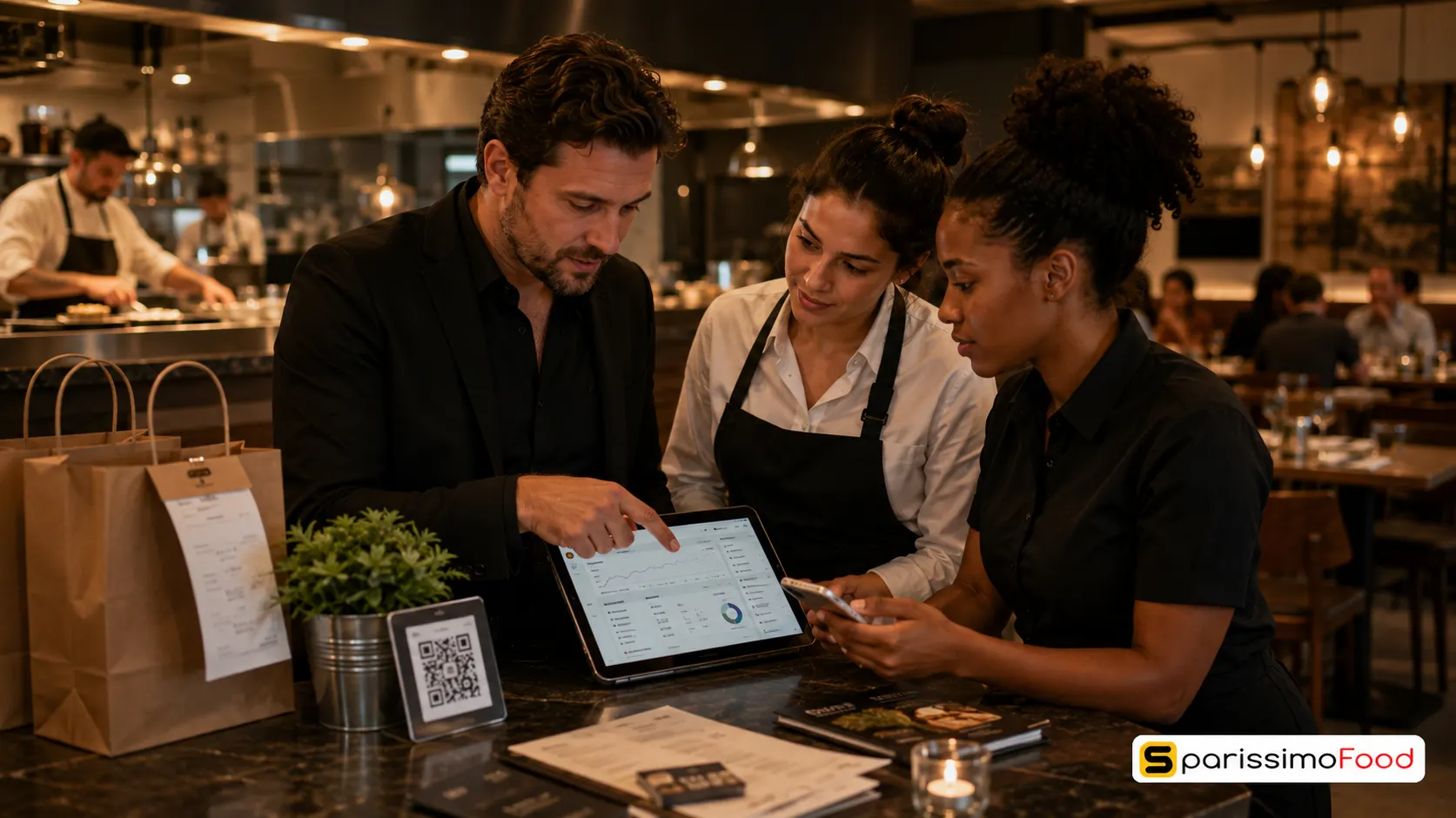

Quick Answer: Building a restaurant email list requires capturing guest contact details at digital and in-venue touchpoints, such as online ordering checkouts, captive guest Wi-Fi, and table-top QR codes. To drive sign-ups, operators must offer an immediate value incentive, such as a free appetiser or a small discount on their next direct order. Once built, the list is used to drive repeat visits through automated welcome sequences, birthday rewards, and targeted off-peak promotions, bypassing third-party commissions.
Many Swiss restaurant owners spend hours posting food photos on Instagram or Facebook. Yet, organic social media reach has plummeted to under 3%, meaning almost none of your followers see your posts. If you want to know how to build a restaurant email list and actually use it, you must shift from renting social media followers to owning your diner database.
Why Your Restaurant Needs a Direct Email List
Every time you rely on a third-party platform to reach your customers, you pay a premium. Email marketing for restaurants changes this dynamic by giving you a direct, cost-free communication channel with your guests.
Unlike social media platforms that restrict your reach behind ad budgets, email delivers your message straight to the guest’s inbox. The average open rate for the restaurant and café sector sits at a strong 44%, according to industry benchmark data from MailerLite. This means email is nearly 15 times more effective at reaching your audience than organic social media posts.
Email marketing is also a highly cost-effective retention tool. Research published by Harvard Business Review has long shown that acquiring a new customer costs significantly more than retaining an existing one across service industries, including hospitality, and that Bain & Company research found a 5% increase in customer retention can boost profits by 25% to 95%. A healthy email list allows you to run targeted campaigns that bring past diners back through your doors.
When you own your customer list, you protect your restaurant from algorithm changes, platform fee increases, and market shifts. It represents a digital asset that grows in value with every guest check completed.
Keep Your Restaurant Email List Clean to Avoid the Spam Folder
Many operators build a guest list but fail to maintain it, resulting in campaigns landing straight in spam folders. A healthy list requires active database hygiene rather than just adding contacts.
Understanding List Hygiene and Sender Reputation
If you send marketing campaigns to invalid, inactive, or abandoned addresses, email providers (like Gmail or Swisscom) will lower your sender reputation. If your bounce rate exceeds 2%, your campaigns will be automatically redirected to spam.
To maintain high deliverability:
- Remove Invalid Emails: Direct checkouts occasionally capture misspelled addresses. Filter out obvious syntax errors and hard bounces immediately.
- Clean Inactive Contacts: Every 6 months, identify subscribers who have not opened an email in over 180 days. Run a one-time re-engagement campaign, and unsubscribe those who do not respond.
- Prevent Aggregator Data Lockout: Do not rely on third-party aggregators like Just Eat, Smood, or Uber Eats. These portals withhold customer contact details from your kitchen, preventing database growth. To build a direct customer relationship, direct guests to order through your own website. You can review how aggregator costs compare in our guide on online ordering cost in Switzerland and check the details of Just Eat commission costs in Switzerland.
How to Build a Restaurant Email List: 3 High-Yield Channels
Many operators assume that building an email list requires forcing waiters to pitch marketing programs at the table or placing generic newsletter sign-up boxes in their website footers. In reality, modern restaurant marketing relies on frictionless, transactional touchpoints where guests willingly provide their data.
Here are the three highest-converting collection channels for Swiss restaurants.
1. Direct Online Ordering Checkout
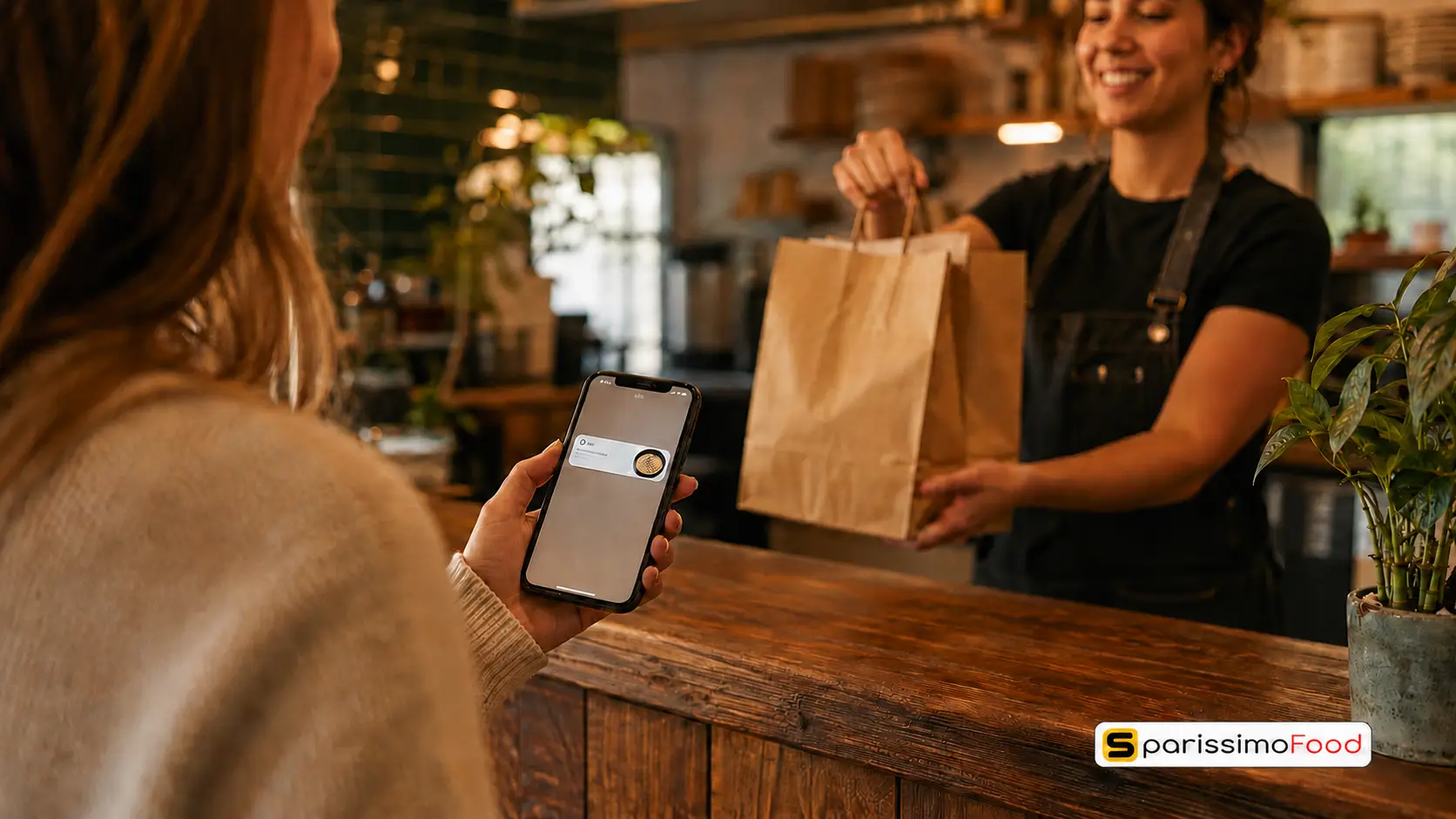
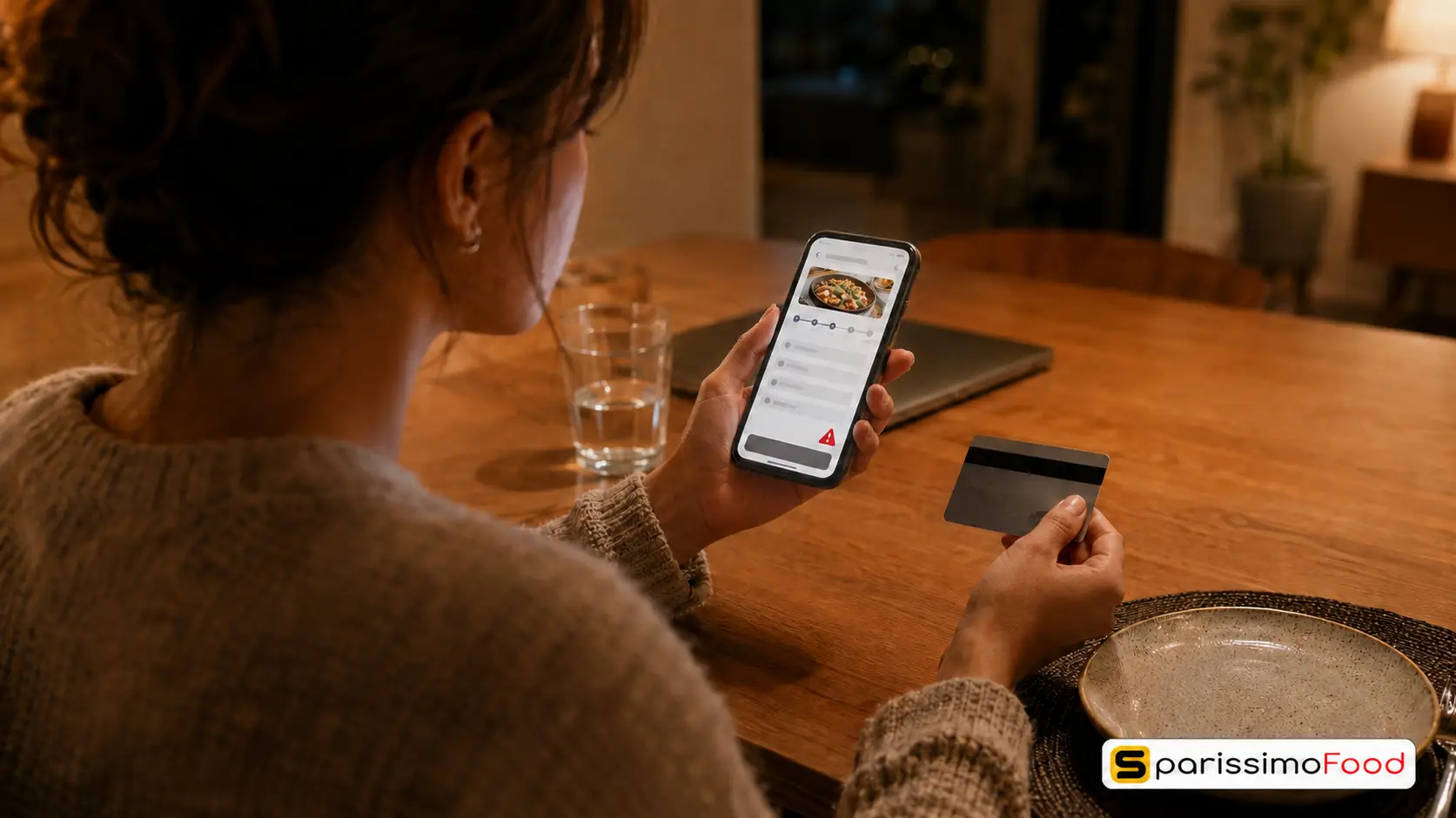
This is your single most effective email collector. When a customer orders delivery or pickup directly from your website, they must enter their email address to receive their order receipt.
To convert these customers into long-term subscribers, include a clear, pre-checkout opt-in checkbox at checkout saying: “Send me exclusive culinary offers, seasonal specials, and birthday rewards.” Since the guest is already in a buying mindset and typing their contact details, this channel converts at over 40% without any manual effort from your staff.
2. Digital Reservation Systems
For dine-in guests, your booking engine is your primary database builder. When customers book a table online, they expect to provide their email address to receive confirmation details and booking reminders.
By linking your reservation software directly to your email marketing tool, you capture your dine-in guest database automatically. The booking process acts as a natural filter, ensuring that only real, active diners who visit your location are added to your list.
3. Table-Top QR Dessert Hooks
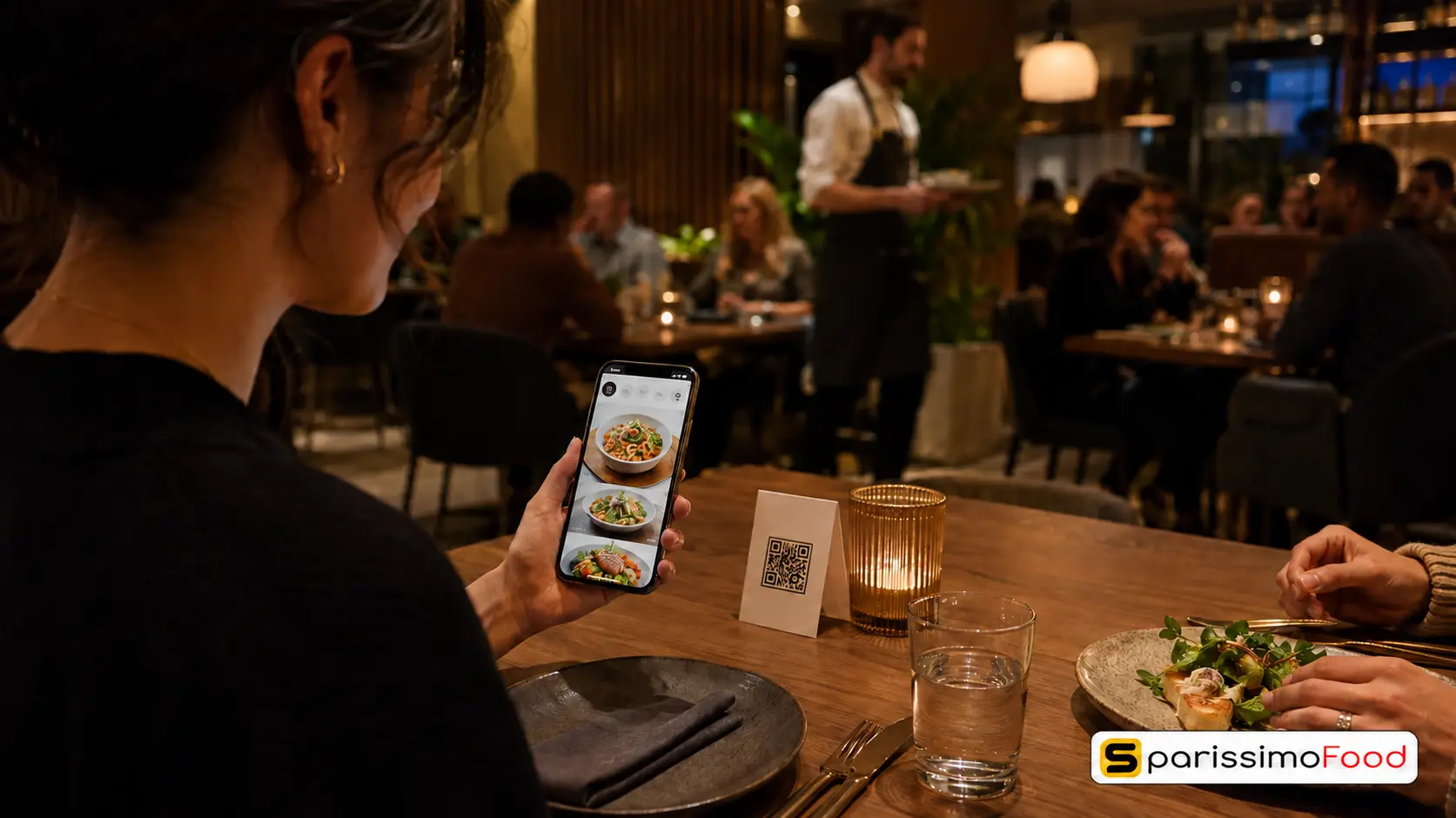
If you want to capture walk-in guests who did not book in advance, place small, high-quality table tents on your tables with a QR code.
Diners sitting at a table are waiting for their food or drinks, making them highly receptive. Do not ask them to sign up for a generic “newsletter.” Instead, offer an immediate, mouthwatering hook: “Scan to join our Birthday Club and get a free homemade chocolate mousse on your next visit.” The promise of a freebie combined with idle table time drives instant, high-quality sign-ups.
A Note on Guest Wi-Fi Captive Portals
While many international guides recommend using “captive portals” (where guests must enter their email to access free restaurant Wi-Fi), this tactic is highly ineffective in Switzerland.
- Ubiquitous Mobile Data: Local diners almost always have fast, unlimited mobile data plans. They rarely have any reason to connect to a public restaurant Wi-Fi.
- Low-Quality Data: Tourists who do connect often enter fake email addresses (e.g.,
test@gmail.comorabcd@123.com) just to bypass the login screen, leaving you with a bounce-heavy database that harms your email deliverability.
Focus your energy on checkout checkboxes and table-top QR codes, which yield genuine, active customer emails.
How to Actually Use Your Email List: Step-by-Step
Having a list of 1,000 emails is useless unless you have a system to reach them. To use your list profitably, you do not need to write daily emails. You only need a simple structure of automated sequences and monthly updates.
The Basic Setup
- Sync Databases: Ensure your online ordering system automatically sends new contacts to your email tool (like Mailchimp or MailerLite).
- Set Up Automations: Create the Welcome and Birthday campaigns once. They will trigger automatically based on user behavior or dates, driving repeat visits in the background.
- Schedule Monthly Updates: Send one manual newsletter per month to share seasonal menus, upcoming holiday hours, or special event bookings.
Here are the 4 essential email campaigns your restaurant should run, complete with templates you can copy.
1. The Welcome Email (Automated)
Trigger: Sent automatically within 5 minutes of a guest signing up.
- The Goal: Confirm their subscription, deliver the promised signup incentive, and establish direct contact.
- Subject Line:
Your free dessert is waiting! 🍰 - Template: Hi [First Name],Welcome to the [Restaurant Name] family! We are thrilled to have you.As promised, here is your voucher code for a free homemade dessert on your next visit: [CODE]You can use this code for online pickup orders or show this email to your waiter when dining in.[Link: Book a Table] | [Link: Order Online]
2. The Slow-Day Booster (Manual or Segmented)
Trigger: Sent on Tuesday mornings to fill empty seats mid-week.
- The Goal: Drive immediate traffic during slow off-peak hours when fixed overhead costs are already paid.
- Subject Line:
Complimentary drink with any main course tonight! 🍷 - Template: Hi [First Name],Slow Tuesday? Skip the kitchen tonight.Enjoy a complimentary glass of house wine or a fresh soft drink with any main course ordered today or tomorrow evening.Just mention this email when ordering or use code TUESDAYDRINK at checkout online.[Link: View Tuesday Specials] | [Link: Book a Table]
3. The Birthday Reward (Automated)
Trigger: Sent automatically 7 days before the guest’s birthday.
- The Goal: Drive profitable group bookings.
- Subject Line:
Celebrate your birthday with us! 🎂 - Template: Hi [First Name],It’s almost your birthday, and we want to celebrate with you!Gather your friends and family your main course is on us when you book a table of 4 or more this week.Show this email to your waiter to claim your birthday gift.[Link: Book Your Birthday Table]
4. The Win-Back Email (Automated)
Trigger: Sent automatically if a past customer has not ordered or booked a table in 60 days.
- The Goal: Re-engage lapsing customers before they build habits with competitors.
- Subject Line:
We miss you (and here's a free starter to prove it) 🍕 - Template: Hi [First Name],It has been a while since we saw you at [Restaurant Name], and we miss having you.To welcome you back, enjoy a free starter on us with your next order of CHF 40 or more.Use code WELCOMEBACK at checkout or show this email to your waiter.[Link: See What’s New on the Menu]
Staying Legal: Swiss DSG (FADP) Compliance Made Simple
In Switzerland, data privacy is governed by the Federal Act on Data Protection (FADP / DSG). You must ensure your list building complies with Swiss law to avoid penalties.
Compliance is straightforward if you follow three core rules:
- Explicit Consent (Double Opt-In): Never add emails to your database without permission. When a user signs up online, send a confirmation email containing a verification link. They must click this link to confirm their subscription.
- Clear Privacy Policy: Your sign-up forms must link to your website’s privacy policy. This policy should state clearly how you store their data and that you will never sell it to third parties.
- Easy Unsubscribe: Every email you send must include a clear, one-click unsubscribe link at the bottom. If a guest wants to leave your list, respect their decision immediately.
Additionally, store your data on secure, GDPR- and FADP-compliant email marketing platforms. Avoid keeping guest emails on unprotected spreadsheets or local computer files.
How Direct Ordering Systems Enable Guest Database Ownership
Building a profitable email list requires the right digital infrastructure. Choosing a direct online ordering system (like a direct online ordering platform) provides independent Swiss restaurants with the tools needed to capture, manage, and leverage guest data.
Direct online ordering software automatically captures guest email addresses, phone numbers, and order histories during the direct checkout process. Because you own 100% of this database, you can export your customer list at any time or integrate it with your email marketing tools. This eliminates the data lockout imposed by third-party aggregators.
The platform also includes a powerful coupon and promotion engine. You can easily create custom discount codes, limit offers to slow mid-week periods, or set minimum order values (e.g. “CHF 10 off orders over CHF 60”). This allows you to execute the slow-day and win-back email campaigns detailed above with ease.
Unlike delivery marketplaces that charge high commissions on every transaction, direct ordering platforms typically offer a predictable, tiered pricing model instead of an unpredictable percentage cut: a Starter tier around CHF 49 per month with an 8% order commission, rising to a Business tier at CHF 79 per month or a Professional tier at CHF 148 per month, both dropping the commission to 5% per order.
By reducing your transaction costs, direct ordering ensures you retain more profit from your email marketing efforts. To evaluate setup expenses, read our breakdown on online ordering cost in Switzerland. You can start your direct ordering journey with a 14-day free trial by visiting direct online ordering plans.
Frequently Asked Questions
Which email marketing tool is best for a Swiss restaurant starting out? For independent restaurants starting out, platforms like Mailchimp or MailerLite offer simple editors, pre-built templates, and free entry-level tiers. For advanced operators, choosing an online ordering platform that integrates customer database capture directly with your menu helps automate marketing sequences based on actual order history.
How often should a restaurant send marketing emails to its list? Restaurants should aim to send emails 2 to 3 times per month. Sending weekly emails often leads to subscriber fatigue and high unsubscribe rates, while mailing less than once a month makes guests forget your brand. Consistency and content quality are far more important than high frequency.
Is it legal to add reservation and walk-in guest emails to my newsletter list? Under the Swiss Federal Act on Data Protection (FADP / DSG), you cannot add guests to a marketing list without their explicit consent. You must include a clear, unchecked opt-in box on reservation forms, Wi-Fi portals, and online checkouts where guests actively choose to subscribe to your campaigns.
What is the best incentive to get restaurant guests to join an email list? The most effective incentives offer immediate, tangible value, such as a free appetiser, dessert, or a CHF 10 discount code on their next direct online order. Informational offers like “chef updates” or “restaurant news” have low sign-up rates compared to direct monetary or food incentives.
How do I clean my restaurant email list, and why is it necessary? You should clean your email list every 6 months by removing invalid addresses and unsubscribing users who have not opened an email in over 180 days. A clean list improves your deliverability rates, keeps you out of spam folders, and reduces the monthly subscription fees charged by email service providers.
Owning your guest data is the ultimate competitive advantage for a modern Swiss restaurant.
.Ds4FHhSq_ZxC9WE.webp "Restaurant Upselling Techniques That Don't Feel Pushy")
.CXCr6fQt_Z11gsYh.webp "Build a Branded Restaurant App Without Developers")
.y09Xtv8Z_1gH6f6.webp "Set Up Restaurant Online Ordering in Under a Week")
.B-Rl4IDw_Z204OoN.webp "Restaurant Loss Prevention and Theft Guide")
.DPpk5JZR_AlrVy.webp "Restaurant Communication During Peak Hours | Guide 2026")
.B6eEizW1_Z2bHQYl.webp "Restaurant Menu Pricing Strategies That Actually Protect Your Margins in 2026")
.CRszlDy5_2neUXu.webp "How to Migrate from GloriaFood Without Disruption: A Technical Step-by-Step Guide")
.kT6N2QP-_1Tp2j1.webp "GloriaFood Is Shutting Down on April 30, 2027 — What Every Restaurant Owner Needs to Do Now")