
How to Engage Customers in Your Restaurant | Switzerland 2026

Quick Answer: Customer engagement is the set of actions that turn a one-time visitor into a regular. Repeat customers spend an average of 67% more than first-time guests and visit more frequently, making them the most profitable segment in any restaurant. The eight highest-impact engagement tactics for Swiss restaurants in 2026 are: build a direct customer contact list from every order; run a simple points-based loyalty program; send personalized email and SMS sequences; actively request and respond to Google reviews; host seasonal events and exclusive evenings; maintain a local social media presence; offer returning guest discounts tied to direct ordering; and run a 7-day post-visit follow-up sequence. None of these require a marketing budget. They require a system for capturing customer data and the consistency to use it.
According to the 2026 Phygital Index Report, 45% of diners say their favourite restaurant changed in the past year, up sharply from 33% the year before. Habitual loyalty, the kind a guest maintains simply because they have always eaten at the same place, is fading. The restaurants keeping their customers in 2026 are not doing so by being better than everyone else at cooking. They are doing it by staying present between visits.
A guest who ate at your restaurant last Saturday is thinking about dinner again this Thursday. If they hear from you on Wednesday with a recommendation they care about, you are in the room when the decision is made. If they do not hear from you, you are competing with every other restaurant they can name off the top of their head.
The Economics of Customer Engagement
Before the eight tactics, the financial case for prioritising existing customers over new ones.
Research by Bain and Company, cited in the Harvard Business Review, puts the average repeat customer spend at 67% above a first-time customer. A first-time guest who spends CHF 34 on their first visit is expected, on the same data, to spend closer to CHF 57 on their sixth visit. This is not because they order more food. It is because they order better wine, they extend the meal with dessert and coffee, and they bring people who then become their own first-time customers.
The same research finds that increasing customer retention by 5% increases profits by 25 to 95%, depending on the restaurant type. For a casual Swiss restaurant with 200 unique monthly guests, converting 10 of them from monthly visitors to weekly visitors adds 40 additional covers per month without spending anything on marketing.
A second data point: loyalty program members in the restaurant sector visit 20% more often and spend 20% more per visit than non-members, according to National Restaurant Association data from 2025. That is not a loyalty program bonus. That is the compound effect of a relationship with a customer who has committed to your restaurant.
The final number worth understanding: acquiring a new restaurant customer costs five times more than retaining an existing one. Every franc spent on engagement with your existing customer base generates more return than the same franc spent on advertising to people who have never heard of you.
Tactic 1: Build a Direct Customer Contact List
You cannot engage a customer you cannot contact. Every other tactic in this article depends on having a way to reach your guests outside of the restaurant. This is the infrastructure step, and it is the one most Swiss restaurants skip.
The challenge specific to restaurants is that most customer transactions are anonymous. A guest sits down, eats, pays, and leaves. Unless they make a reservation or order online through a platform that captures their contact information, you have no way to reach them again.
Building a direct contact list requires creating moments where guests voluntarily share their email address or phone number. The most effective points are at online ordering checkout, during reservation confirmation, on a paper sign-up card at the counter with a specific incentive, and via a QR code at the table that links to a newsletter sign-up with a first-return-visit offer.
The data protection requirement for Switzerland is important here. Under the Swiss Data Protection Act, the nDSG in force since September 2023, you must collect contact information with clear, explicit consent for marketing use. Every sign-up must include a statement of how you will use the email address, and every marketing communication must include an unsubscribe mechanism. Collect contacts correctly from the start. A list built with genuine consent performs better and carries no legal risk.
A restaurant running 50 direct orders per week can build a marketing list of 500 or more contacted customers within a few months. That list is an asset that does not depreciate. For the detailed guide on how to use this list for email and SMS campaigns, see our restaurant email marketing guide.
Tactic 2: Run a Loyalty Program That Actually Works
Sixty-one percent of restaurant operators in Switzerland and globally now offer a loyalty program according to 2025 National Restaurant Association data. But loyalty program dissatisfaction has nearly doubled in 2026, with 28% of members reporting they are disengaged from programs they joined.
The difference between a loyalty programs that works and one that does not is simplicity and speed of reward. A guest who joins a programme and receives their first reward within two visits will use it consistently. A guest who joins and cannot find their points balance, cannot redeem them easily, or waits months before seeing any tangible benefit will stop thinking about the programme entirely.
The structure that performs best for Swiss casual dining restaurants is points-based with a fast first reward. Guests earn one point per CHF 1 spent. At 100 points they receive a CHF 10 reward or a free item of equivalent value. At average order values around CHF 35, this means a guest earns their first reward after roughly three visits. Three visits is a short enough horizon to maintain commitment and long enough to establish a habit.
The critical design rule: the loyalty reward must only be redeemable through your direct ordering channel, not through Just Eat or Uber Eats. This creates a sustained commercial reason for guests to order directly, protecting your commission margin while rewarding the behaviour you want to encourage.
Track two numbers to assess whether your loyalty program is working: loyalty member visit frequency compared to non-member visit frequency, and loyalty member average spend compared to non-member average spend. If those two numbers are not at least 10 to 15% higher for members, the programme is not functioning as a retention tool and needs structural adjustment.
Tactic 3: Email and SMS Sequences Tied to Guest Behaviour
Generic newsletters sent to your entire list on a fixed schedule produce declining open rates over time. Personalized messages sent at behavioural triggers produce the opposite effect.
The most effective restaurant email and SMS triggers are:
A welcome message immediately after the first direct order, with a personal thank-you and a recommendation for the guest’s next visit based on what they ordered.
A re-engagement message to guests who have not visited or ordered in 28 days, with a time-limited incentive: “We have missed you this month. Your favourite dish is waiting, and here is 15% off your next direct order, valid for seven days.”
A birthday or anniversary message sent on the guest’s relevant date, with a complimentary item redeemable during that month.
A monthly specials email to the full list, with one or two featured dishes and a direct ordering link. This email should be short, include a high-quality photograph of one dish, and contain one clear action. Nothing more.
The Swiss timing for email sends matters. Tuesday and Wednesday between 12:00 and 13:30 or between 17:30 and 19:00 consistently produce the highest open rates for Swiss restaurant audiences. Avoid Monday mornings and Friday evenings.
For a complete guide to building these sequences, see our restaurant email marketing guide.
Tactic 4: Request and Respond to Google Reviews Actively
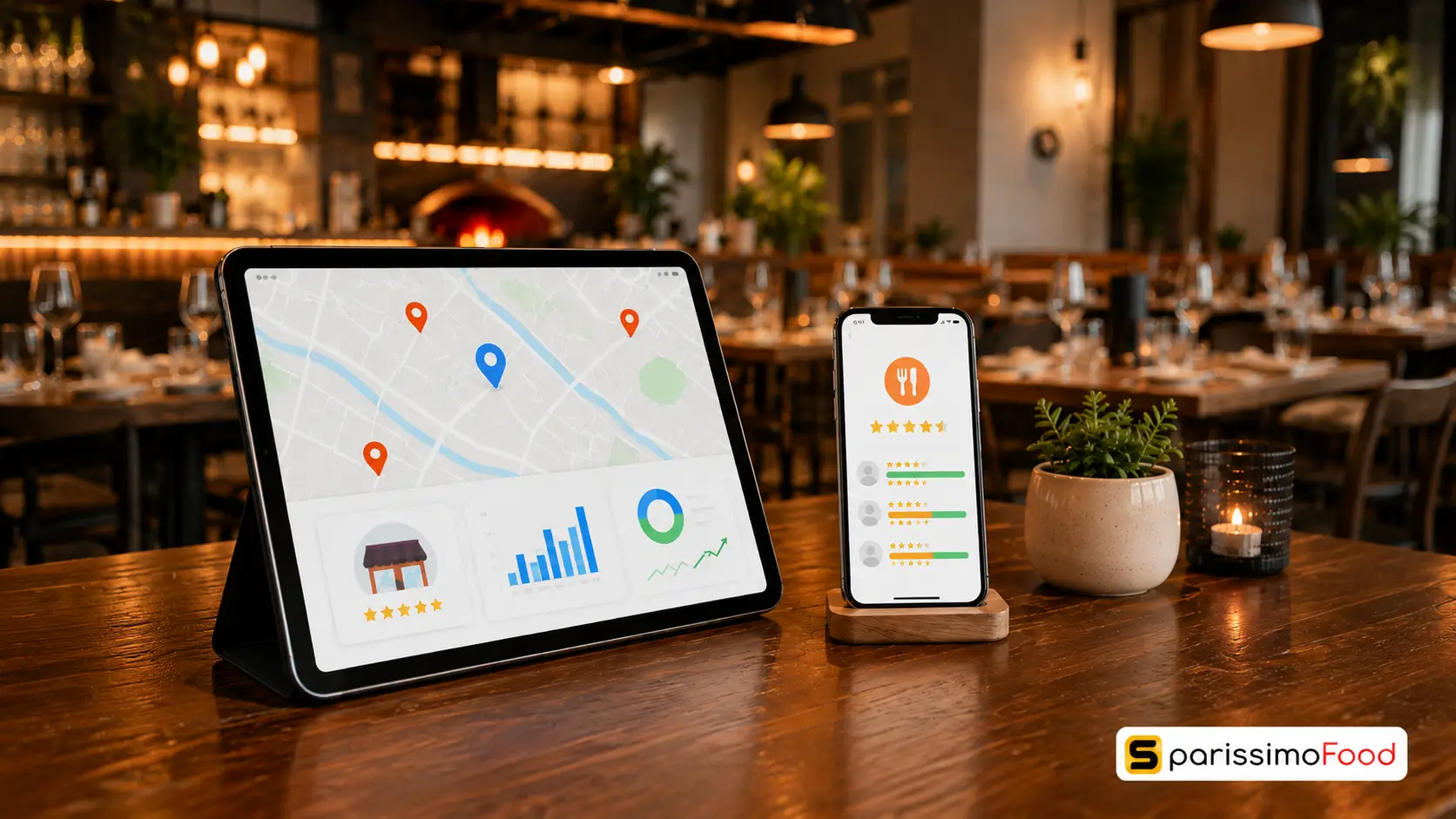
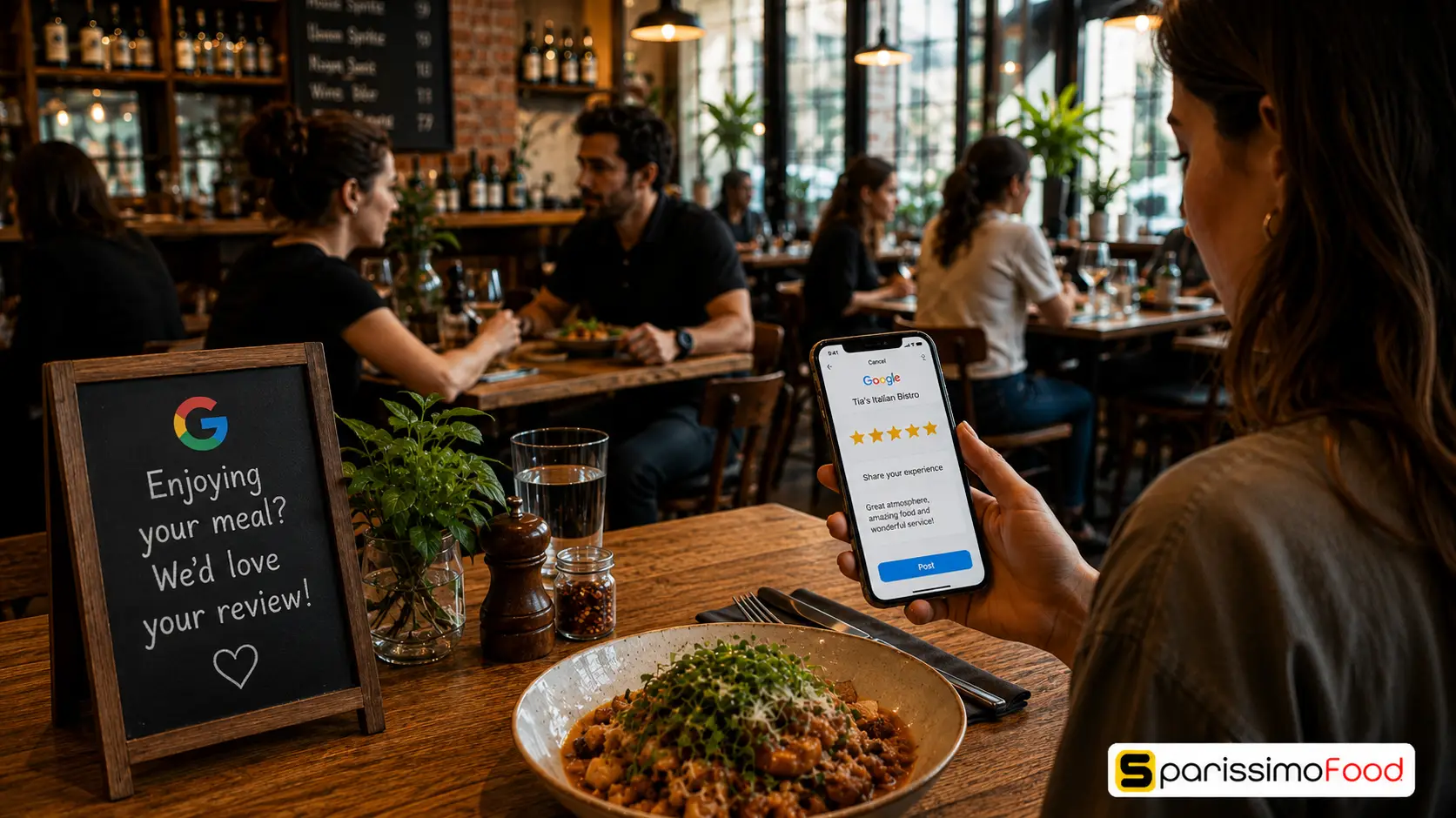
Google My Business is the primary review platform in Switzerland for restaurant discovery. A restaurant with a higher average rating and more recent reviews appears more prominently in local search results than a competitor with fewer or older reviews. Reviews are both an engagement tool and a discovery tool simultaneously.
Requesting a review from a satisfied guest is the part most restaurants do inconsistently. The correct moment is immediately after a positive experience, while the guest is still in an engaged state. A server who mentions, at the end of a positive meal, “If you have a moment, a Google review genuinely helps us,” converts a meaningful share of those conversations into posted reviews.
For guests who have ordered online through your direct channel, an automated follow-up email sent two hours after delivery with a direct link to your Google review page converts a significant share of completed orders into reviews.
Responding to every review, positive and negative, is the engagement act that most competitors neglect. A thoughtful response to a negative review demonstrates to every future reader that you take service seriously. A personalised response to a positive review makes the guest who wrote it feel recognised in a way that brings them back. For the complete guide on how to handle each review type, including the ATAP response framework, see our guide on handling negative restaurant reviews.
Tactic 5: Host Events and Exclusive Seasonal Experiences
An event gives your existing customers a reason to visit this specific week rather than at some unspecified future point. It also gives them a social reason to bring people who have not visited before, combining retention with acquisition at no additional cost.
Events that work consistently for Swiss casual dining restaurants include wine pairing evenings with two or three courses and a described wine selection, seasonal menu previews for a limited number of guests where they try new dishes before public launch, cooking demonstrations by the chef or a guest chef on a quiet weeknight, and collaboration evenings with a local producer, brewery, or artisan.
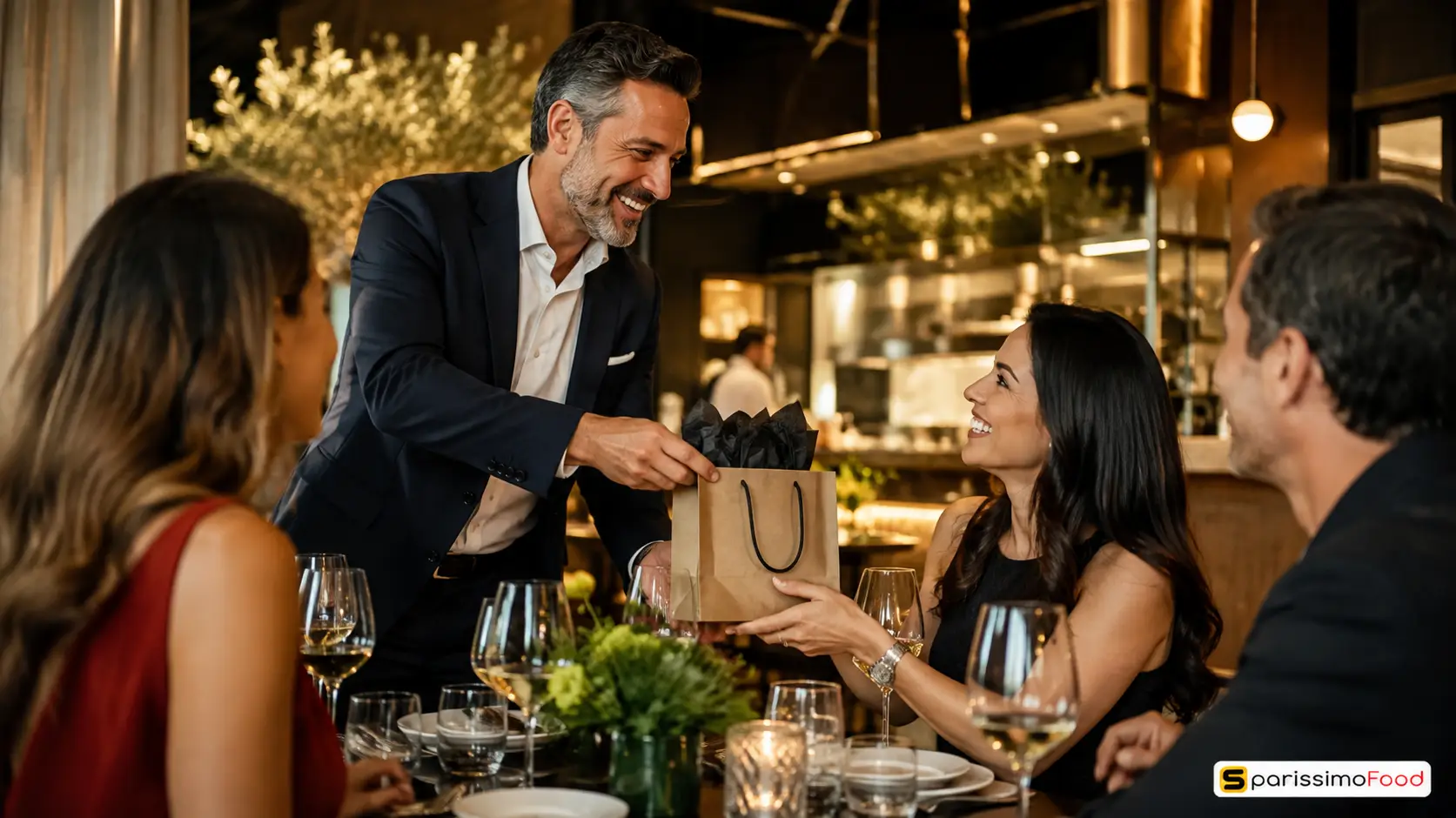
The engagement value of an event is multiplied when it is exclusive to returning guests or loyalty members. An invitation framed as “You are invited as one of our regulars” carries more emotional weight than a general public promotion. Scarcity and recognition are more powerful engagement levers than discount.
Promote events to your direct contact list first. Open remaining spots to the general public only if the event is not full from your existing customer base. This reinforces to your regulars that their relationship with your restaurant grants them access others do not have.
Tactic 6: Local Social Media with Genuine Content
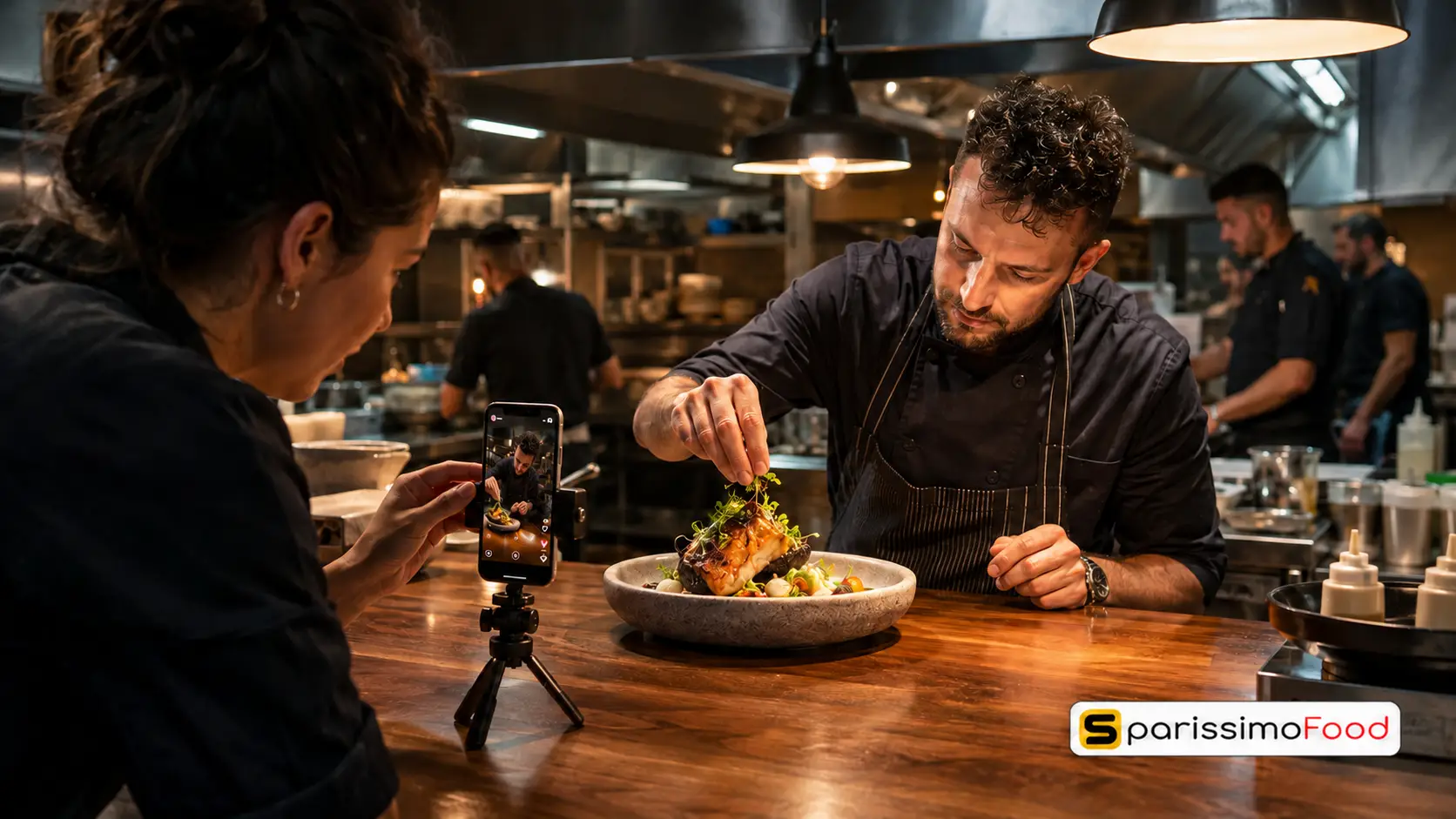
Social media for Swiss restaurants performs best when it reflects genuine behind-the-scenes content rather than polished brand advertising. Swiss diners trust local authenticity. A video of your chef selecting vegetables at a market, a photo of the team after a busy Friday service, or a short story about where a specific ingredient comes from consistently outperforms a styled product photograph.
Three types of content that perform reliably for Swiss restaurant social media:
Daily or weekly specials with a specific description, not a generic “today’s special is delicious” caption, but the actual dish name, main ingredients, and a brief sensory description.
Staff content that introduces the team as individuals, a short video of a team member explaining a dish or a technique, without requiring professional production.
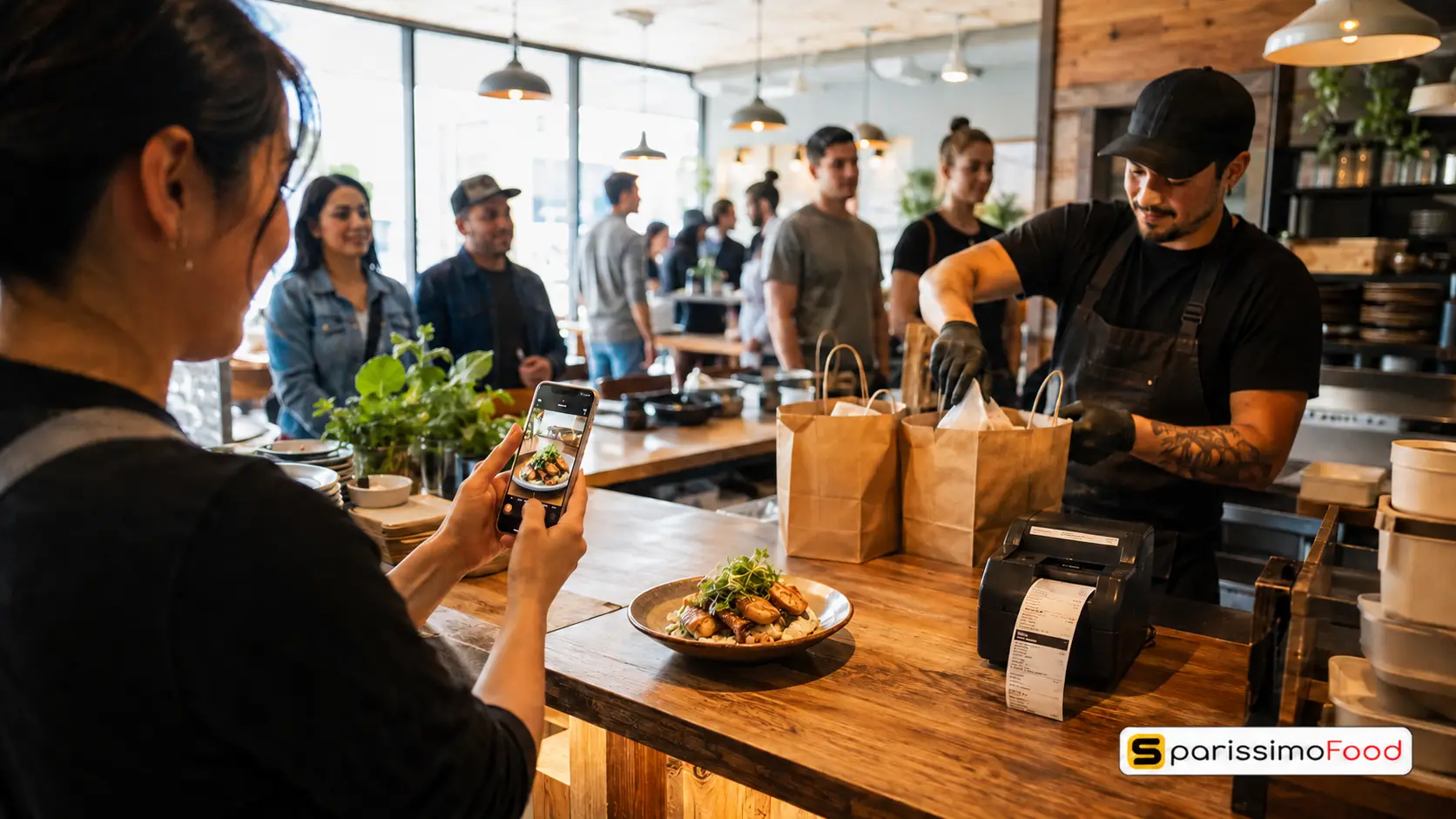
Guest content, meaning photographs and stories posted by guests who mention or tag your restaurant. Reposting this content with thanks costs nothing and signals to your audience that real people choose your restaurant.
Respond to every comment and direct message within 24 hours. Social media engagement is reciprocal. Accounts that post but do not respond are seen as broadcasting, not conversing. Swiss restaurant guests who receive a direct response from an account they follow are significantly more likely to visit or to return.
Tactic 7: Exclusive Offers for Returning Guests Through Your Direct Channel
A returning guest who orders through Just Eat or Uber Eats is a returning guest whose data you still do not own. Their return visit is commercially valuable but relationship-invisible.
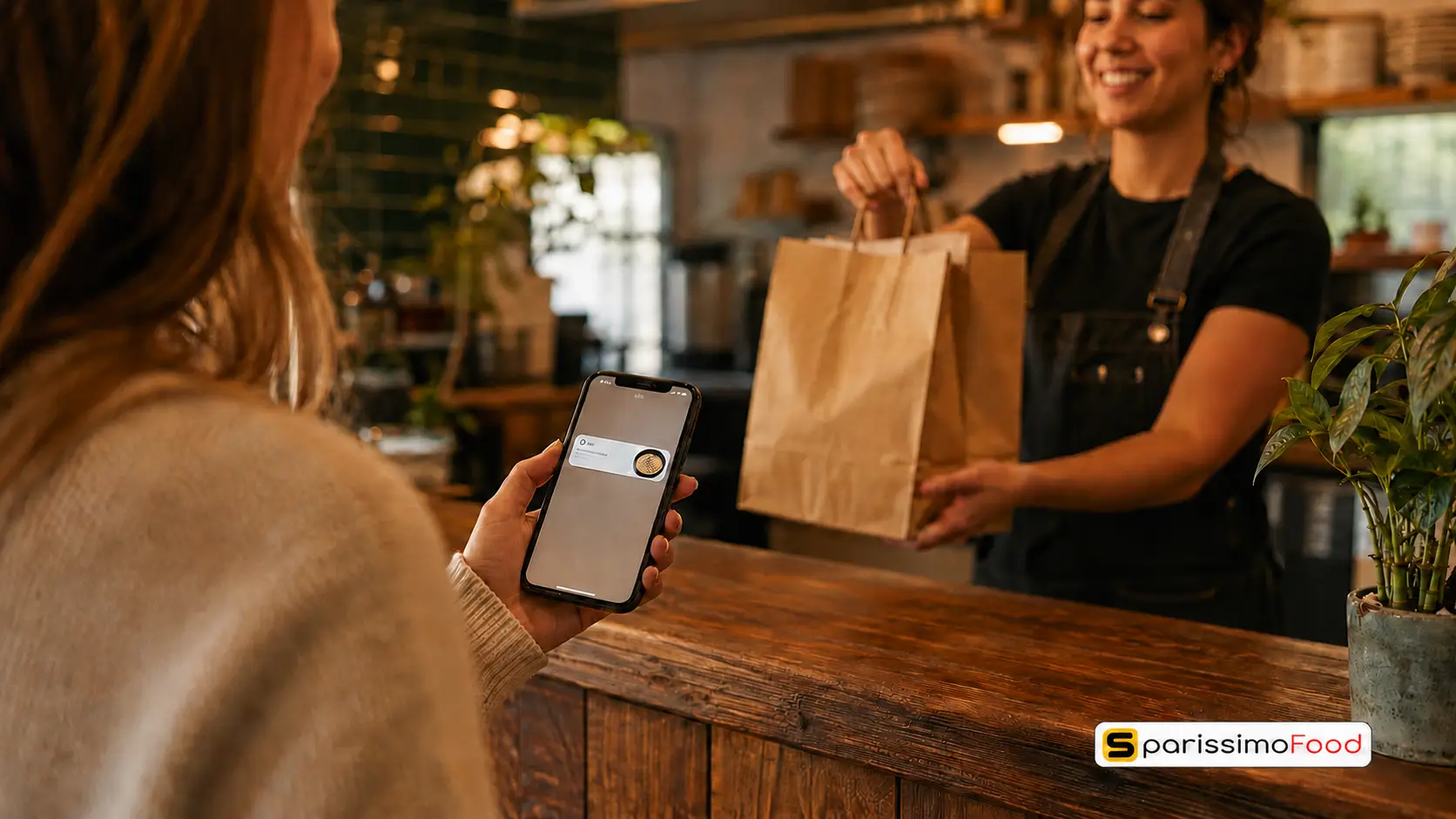
The direct ordering incentive closes this loop. A returning guest who receives an offer redeemable only through your direct ordering channel has a reason to shift their ordering behaviour. The offer does not need to be large. A CHF 5 credit on their next direct order, a free side dish redeemable on a direct order over CHF 30, or early access to a new menu item available only to direct ordering customers all function as effective switching incentives.
The structural point: every returning guest who orders directly rather than through a platform pays you a lower commission on that order, gives you their contact data for future engagement, and earns loyalty points that reinforce the habit of ordering directly. The incentive pays for itself within one or two converted orders. For the complete framework on how to move customers from delivery apps to your direct channel, see our guide on converting delivery app customers.
Tactic 8: The Post-Visit Follow-Up Sequence
Most engagement happens between visits, not during them. A guest who had a positive experience at your restaurant last weekend is in their most receptive state for re-engagement during the seven days that follow.
A three-message post-visit follow-up sequence sent through your direct ordering platform works as follows:
Message one, sent within two hours of order completion: a short, genuine thank-you. “Thank you for ordering from us tonight. We hope the tiramisu was worth the wait.” A personalized reference to what they actually ordered converts better than a generic thank-you.
Message two, sent three to four days later: a recommendation based on their order history. “You ordered the Carbonara last time. Have you tried our Cacio e Pepe? It is our most popular pasta this month.” This message keeps you present in their memory without feeling promotional.
Message three, sent seven days after the order: a gentle re-engagement prompt. “It has been a week since your last visit. Here is what we are serving this weekend.” Include a direct ordering link and, if they have not yet returned, a small incentive for the next direct order.
This sequence is the digital equivalent of a restaurant where the owner knows every regular by name. It creates the same recognition effect at scale, with no additional staff time required after the initial setup.
How SparissimoFood Supports Customer Engagement
Customer engagement requires two things that most restaurant operations lack: customer contact data and a system to act on it. SparissimoFood provides both.
Customer data from every direct order. Every guest who places an order through SparissimoFood provides their email address and phone number, which belong to your restaurant permanently. After 300 direct orders, you have 300 contacts you can market to at zero marginal cost. After 1,000 orders, you have a customer list large enough to generate meaningful revenue from every well-timed message.
Loyalty program integration. SparissimoFood’s platform allows you to set up points-based loyalty rewards that accumulate automatically with each direct order. Guests see their balance. Rewards are redeemable through the direct channel only, which means every loyalty interaction reinforces direct ordering over platform-based ordering.
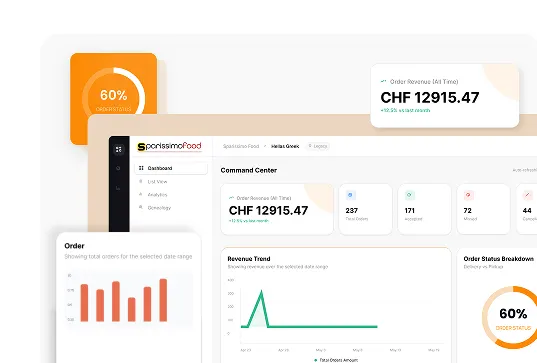
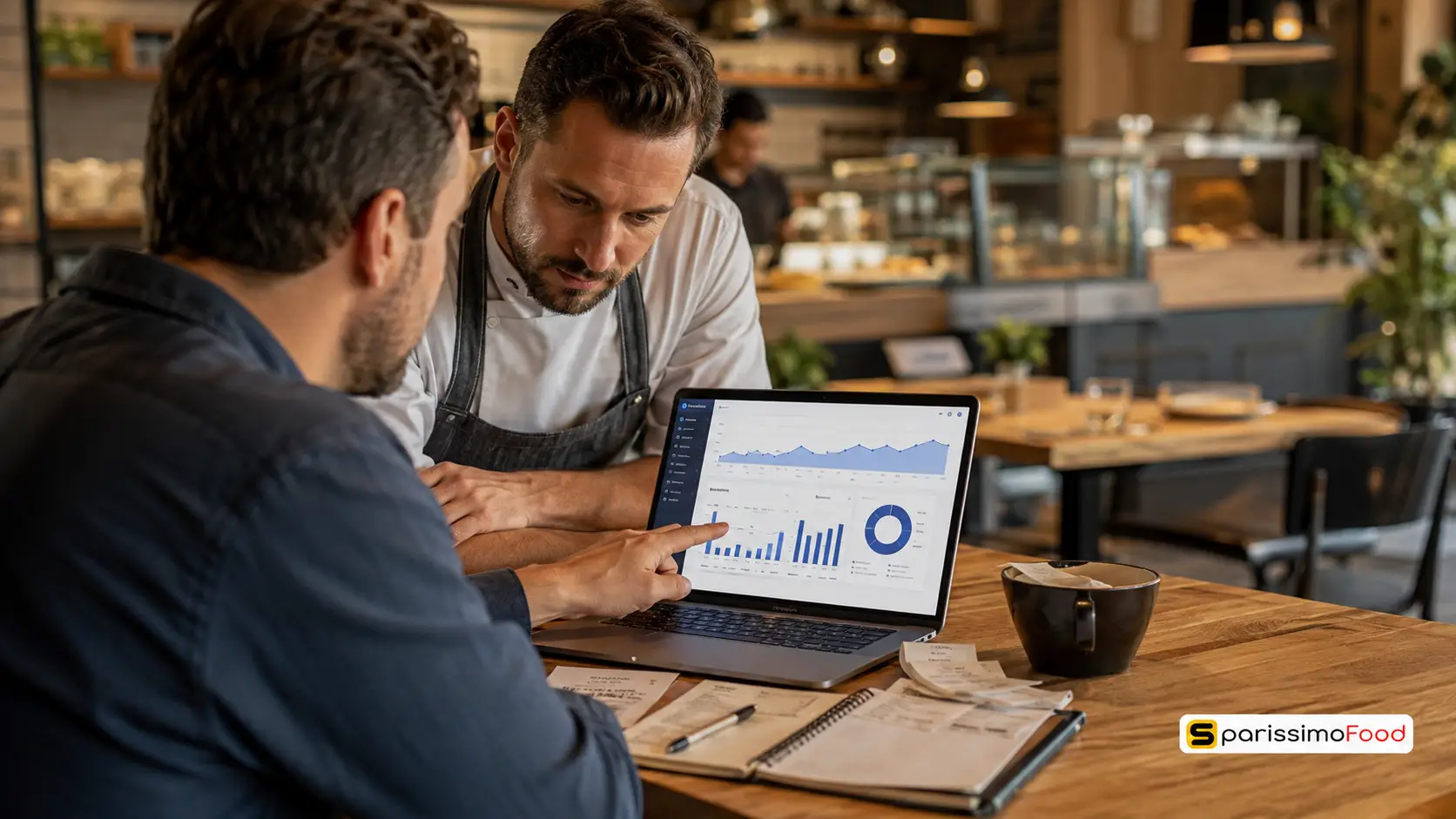
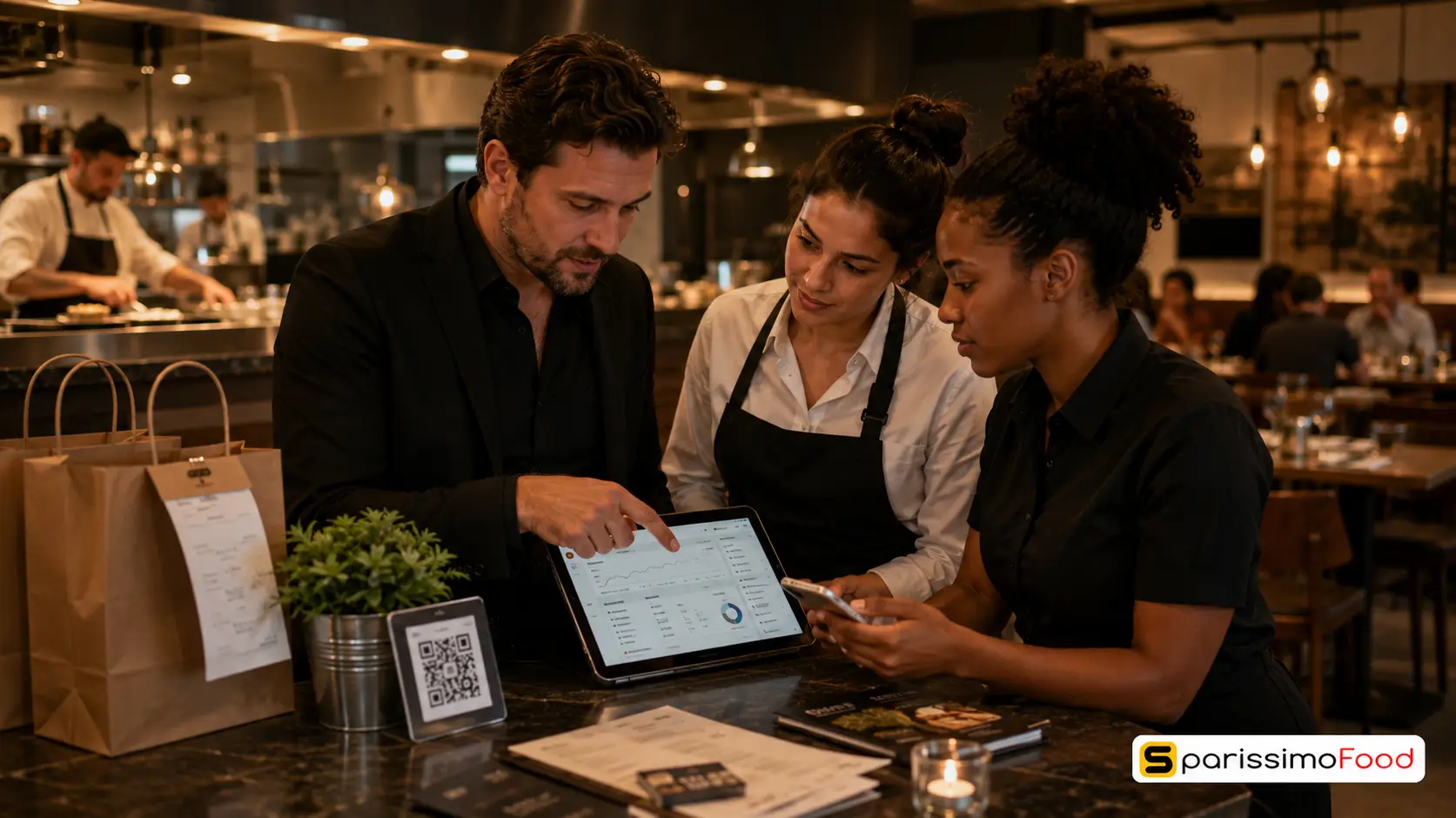
Analytics for targeted engagement. SparissimoFood’s manager dashboard shows order frequency by customer, average order value by channel, and which menu items drive repeat visits. This data tells you which customers are approaching their next loyalty reward, which customers have not ordered in 30 days and should receive a re-engagement message, and which items are most popular among your most frequent guests.
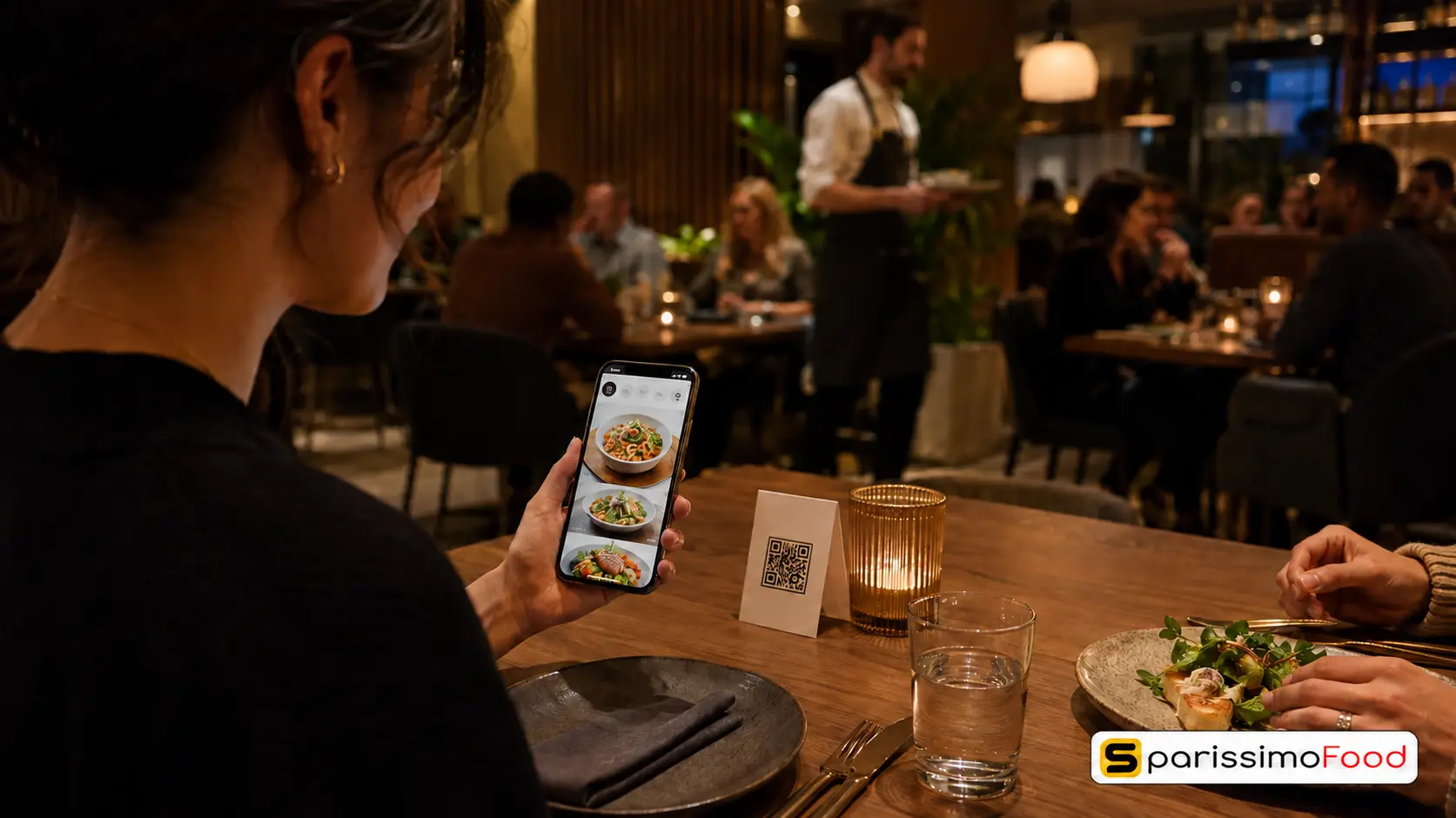
QR dine-in ordering for in-restaurant data capture. Guests who eat in but have never ordered online can be captured through the QR dine-in flow. A guest who places a table order via QR code provides their contact information in the same way a delivery customer does, expanding your contact list to include your in-restaurant regulars alongside your delivery customers.
SparissimoFood starts at CHF 49 per month with an 8% commission on the Starter plan, and CHF 79 per month with a 5% commission on the Business plan. Explore the current plan options at manage.sparissimofood.com/plans.
Frequently Asked Questions
What is the most effective way to get repeat customers in a restaurant? The single most effective tactic for generating repeat visits is a simple, fast-rewarding loyalty program combined with an automated post-visit email sequence. Loyalty members visit 20% more often and spend 20% more per visit than non-members, according to 2025 National Restaurant Association research. The key is simplicity: a program that rewards guests within three visits and requires no physical card or separate app performs better than complex multi-tier systems. The post-visit sequence keeps your restaurant present in the guest’s memory during the seven days when they are most likely to book a return visit.
How do Swiss restaurants build customer loyalty differently from other markets? Swiss diners tend to form strong, durable loyalty to restaurants they trust, but they also set high expectations for consistency. A guest who finds your food quality has declined since their last visit will typically not complain. They will simply not return. This means engagement in Switzerland is built on consistency first and personalization second. A guest who receives a personalized re-engagement message but then has a mediocre experience will not be retained by the marketing. Get the product right, then layer engagement tactics on top.
How often should a restaurant contact its customers? One to two marketing messages per month is the recommended cadence for general promotional emails. Automated behavioural messages, including welcome emails, post-visit follow-ups, re-engagement sequences, and birthday messages, run in addition to this cadence without feeling like additional marketing. These feel personal because they are triggered by the customer’s own behaviour rather than a broadcast schedule. A guest who receives a well-timed “we have missed you” message 28 days after their last visit does not experience it as marketing. They experience it as recognition.
Do restaurant loyalty programs actually increase revenue? Yes, when structured correctly. Loyalty program members in the restaurant sector visit more frequently and spend more per visit than non-members. The condition is that the program must be simple enough to use consistently and reward guests fast enough to maintain engagement. Programs with complex earning structures, hard-to-redeem rewards, or poor digital integration produce high sign-up rates but low active participation. A guest who signed up but never engages with the program does not generate the retention value the data suggests is possible.
How do I build a customer email list for my restaurant legally in Switzerland? Under Switzerland’s nDSG data protection law, you must collect email addresses with clear, explicit consent for marketing use. The correct approach is to include a visible opt-in statement at the point of collection, whether that is an online ordering checkout, a reservation form, or a physical sign-up card, that specifies how the email address will be used. Every marketing email must include a clear unsubscribe option. Buying email lists or adding customers to marketing lists without their explicit agreement is not compliant with nDSG requirements.
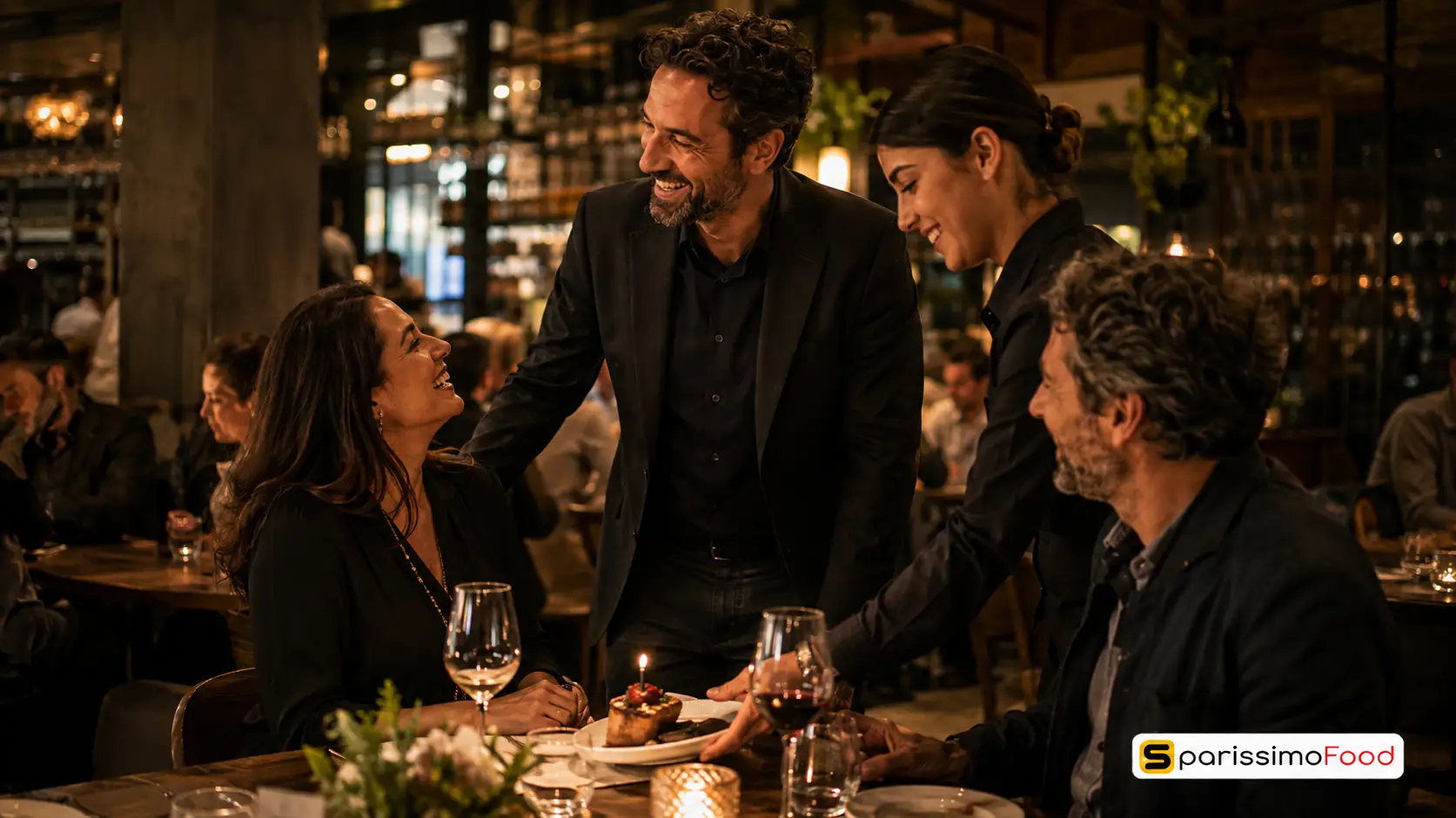
The restaurants that guests return to are not always the ones with the best food. They are the ones that make guests feel they were expected back.
.Ds4FHhSq_ZxC9WE.webp "Restaurant Upselling Techniques That Don't Feel Pushy")
.CXCr6fQt_Z11gsYh.webp "Build a Branded Restaurant App Without Developers")
.y09Xtv8Z_1gH6f6.webp "Set Up Restaurant Online Ordering in Under a Week")
.B-Rl4IDw_Z204OoN.webp "Restaurant Loss Prevention and Theft Guide")
.DPpk5JZR_AlrVy.webp "Restaurant Communication During Peak Hours | Guide 2026")
.B6eEizW1_Z2bHQYl.webp "Restaurant Menu Pricing Strategies That Actually Protect Your Margins in 2026")
.CRszlDy5_2neUXu.webp "How to Migrate from GloriaFood Without Disruption: A Technical Step-by-Step Guide")
.kT6N2QP-_1Tp2j1.webp "GloriaFood Is Shutting Down on April 30, 2027 — What Every Restaurant Owner Needs to Do Now")