
Automated SMS Marketing for Restaurants | Setup Guide

Quick Answer: Automated SMS marketing means setting up text message sequences, such as a welcome offer, a reservation reminder, or a win-back message for lapsed guests, that fire automatically based on what a guest does, rather than texts you write and send by hand each time. In Switzerland, this requires explicit opt-in consent under the Federal Act Against Unfair Competition (UWG) before you send the first message, not the US-style TCPA rules most SMS marketing guides describe. Set up correctly, with a compliant subscriber list, five core automated campaigns, and messages written to avoid unnecessary Unicode characters, most restaurants can have their first automated sequence live within a week.
Text messages get read within minutes, nine times out of ten. An email sent the same afternoon has roughly a one-in-five chance of being opened at all, and often not for hours. For a restaurant trying to fill a slow Tuesday by 7pm, that gap in speed is the whole campaign.
Most guides on this topic are written for the US market and lean on rules that don’t apply here. Switzerland has its own legal basis for consent, its own dominant payment method, and, for German-language campaigns specifically, a character-limit quirk that can quietly double what a text costs to send. None of that shows up in the generic advice. This guide covers the Swiss-specific version: what’s legally required, which automated campaigns are worth building first, and how to write messages that don’t blow past the free character limit the moment you add an umlaut.
What Automated SMS Marketing Actually Means
Automated SMS marketing is different from a one-off blast you write and send manually before a quiet weekend. It’s a set of message sequences triggered by something a guest does: they opt in and get a welcome offer, they book a table and get a reminder 24 hours out, they haven’t ordered in 60 days and get a win-back text. Once built, each sequence runs on its own.
That distinction matters for two reasons. First, automation is what makes SMS marketing sustainable for a restaurant with no dedicated marketing person: the sequences run in the background while you run service. Second, automated messages triggered by an existing relationship, a completed order or a made reservation, sit differently under Swiss consent rules than a cold marketing blast, covered in the next section.
Why SMS Beats Email for a Restaurant This Size
The core argument for text over email isn’t complicated. Industry benchmarks consistently put SMS open rates between 90% and 98%, several times higher than email’s roughly 20%, and most texts are read within three minutes of arriving. Hunger is time-sensitive: guests decide where to eat in minutes, not over a few days the way they might plan a larger purchase.
Switzerland adds a second advantage most SMS guides never mention: TWINT. Over 5.9 million people in Switzerland actively use TWINT, and it accounts for more than 60% of the country’s digital payment transactions. A text offer that links straight to a TWINT-ready order page converts the moment a guest taps it. The same offer sent to a checkout that only accepts cards loses a meaningful share of guests at the very last step, the exact friction covered in more detail in our guide to reducing checkout abandonment.
Step 1: Build a Subscriber List Switzerland’s Law Actually Allows
This is the step where most generic SMS guides get Switzerland wrong. They describe US TCPA rules, an 8am–9pm send window, $500 fines per message, none of which apply here.
The relevant law is Switzerland’s Federal Act Against Unfair Competition (UWG). Article 3, paragraph 1, letter o requires explicit prior consent before you send automated mass advertising by SMS, email, or fax, with no exception for restaurants specifically. There’s one useful carve-out: if a guest gave you their number during an actual order or booking, and had a clear chance to decline further contact at that moment, you can message them about similar offers without a separate opt-in. That’s why capturing consent at the point of an online order, a QR-code table order, or a reservation, rather than through a generic sign-up form, is both the easiest and the most legally sound approach.
Every message also needs a clearly identified sender and a free, easy way to opt out; UWG requires both, and burying either one is a compliance risk, not just a courtesy. Once you have a guest’s number, Switzerland’s revised Data Protection Act (nDSG) governs how you store and use it, separately from the consent question. This isn’t legal advice, so confirm the specifics with your own advisor before launching a capture campaign, but building a single consent checkbox into your ordering, reservation, or in-restaurant QR flow covers both requirements in one step.
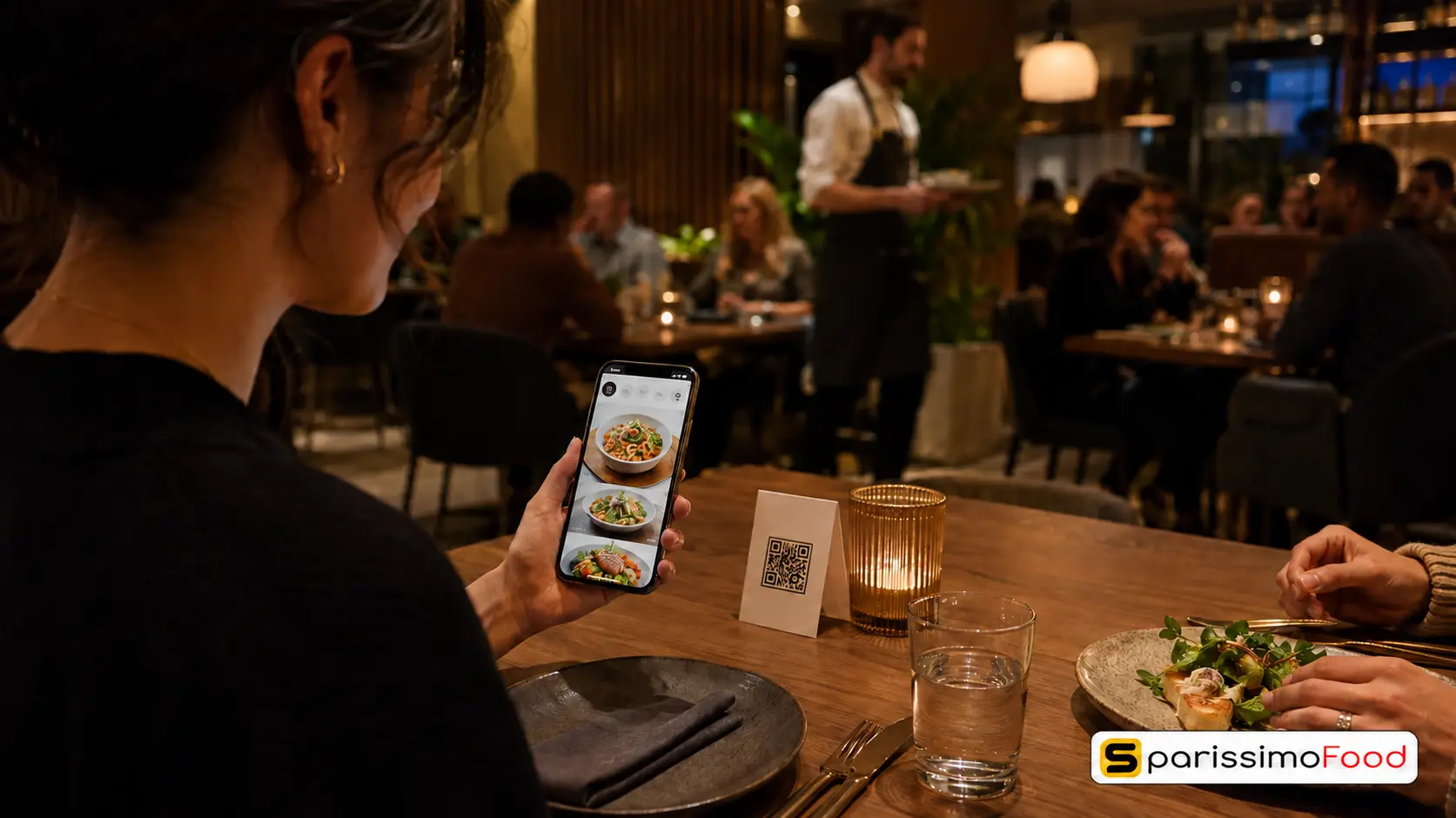
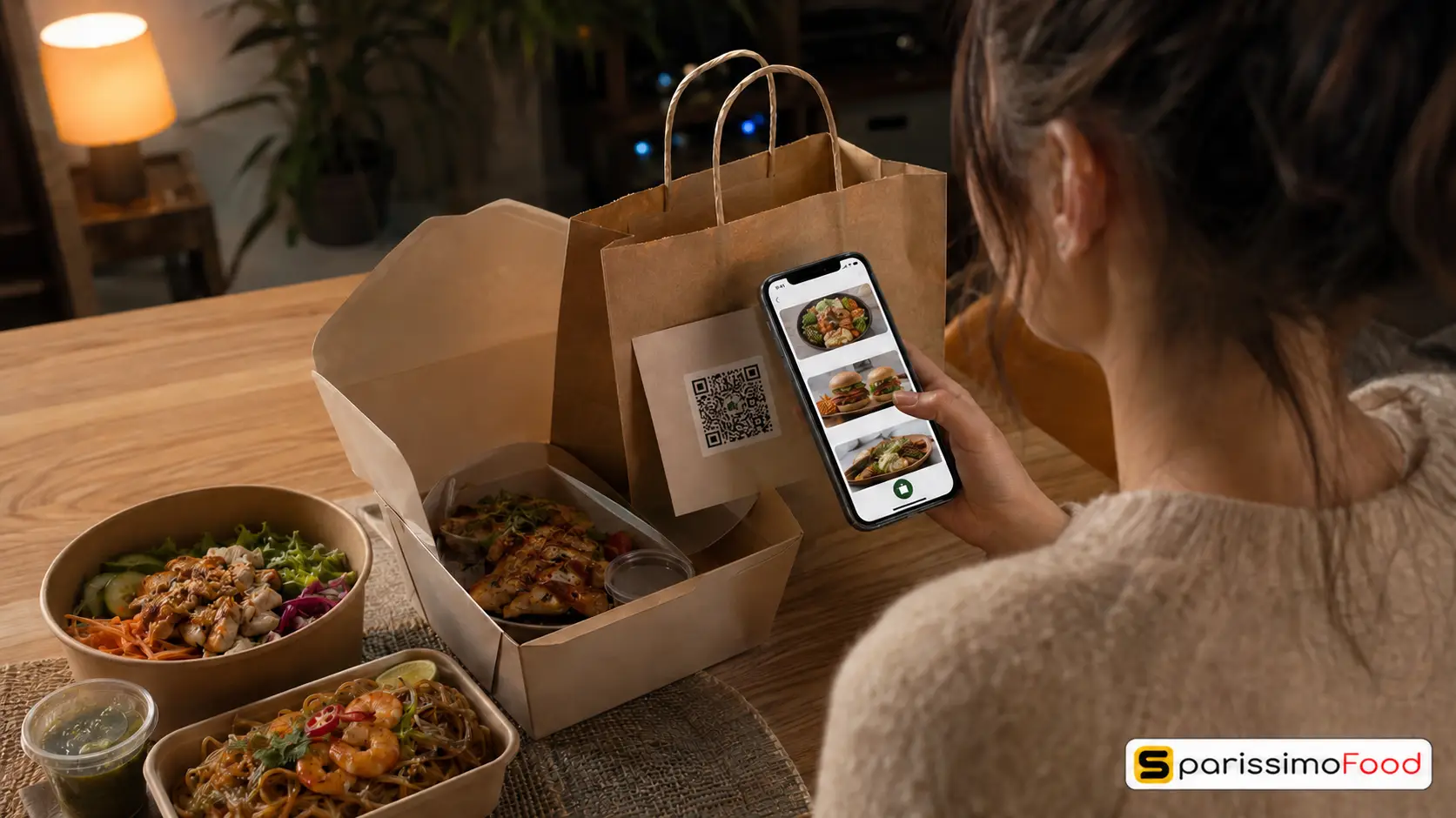
The most reliable places to capture consent are the ones already covered in our guide to converting delivery app guests into direct orders: a checkbox at online checkout, a QR code on the receipt or table tent tied to a short feedback survey, and a prompt during reservation booking. All three capture a number at the moment a guest is already engaging with you, which is also when opt-in rates are highest.
Step 2: Build These Five Automated Sequences First
Not every restaurant needs twenty automated campaigns on day one. Five sequences cover almost every use case that actually earns its place in a guest’s inbox.
Welcome offer. Triggered the moment someone opts in, ideally with a specific incentive (a percentage off, a free side) rather than a vague “thanks for signing up.” A concrete offer converts a first-time opt-in into a first paid order.
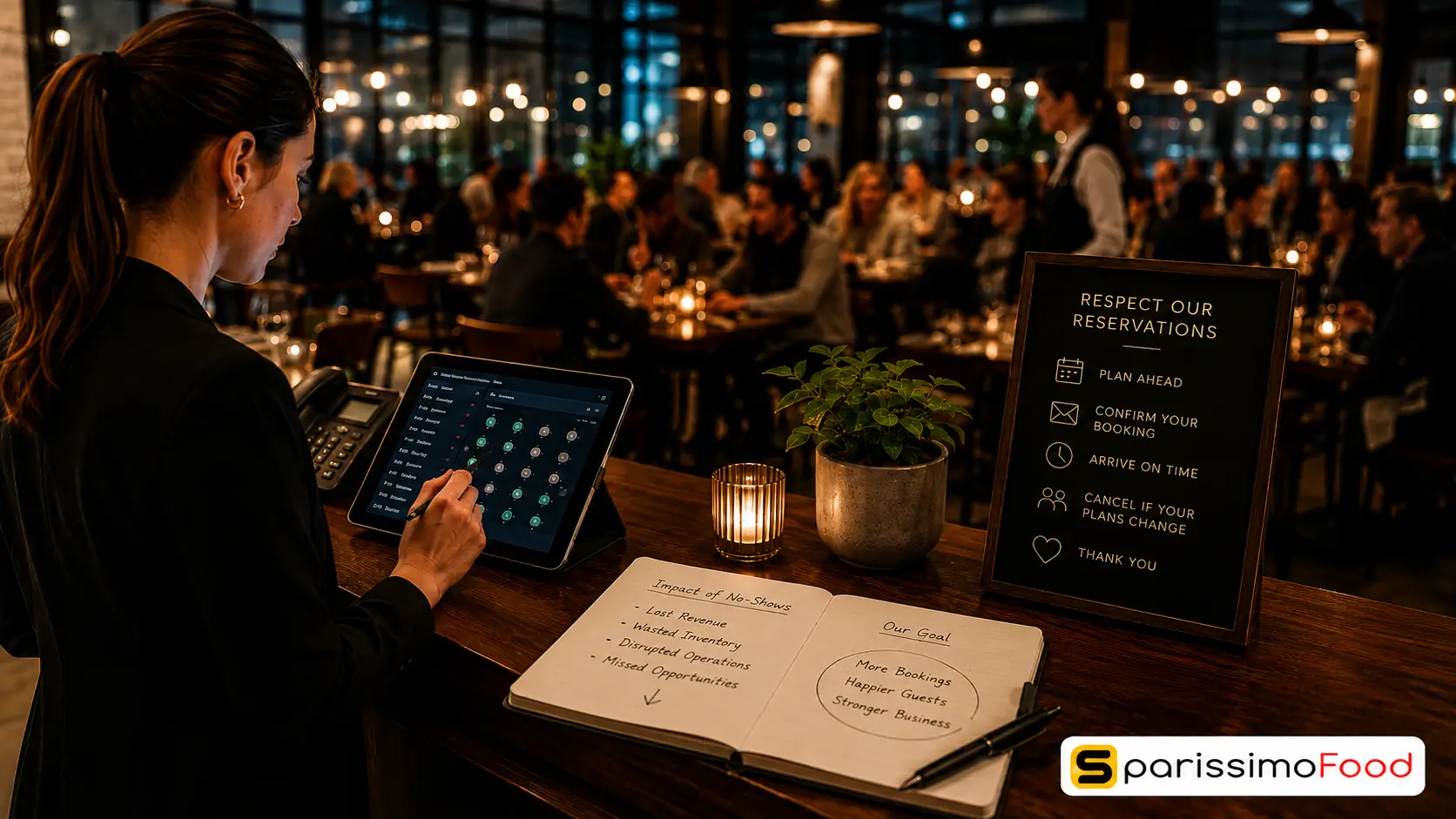
Reservation or order reminder. Sent roughly 24 hours before a booking, or immediately after an online order confirms. This is the sequence most directly tied to reducing no-shows, covered in detail in our guide to cutting restaurant no-shows, and it needs almost no creative writing: date, time, a link to change the booking.
Win-back for lapsed guests. Triggered when a regular hasn’t ordered in a set number of days, commonly 30 to 60. This is usually the highest-converting automated sequence a restaurant runs, because reactivating an existing guest costs far less than acquiring a new one.
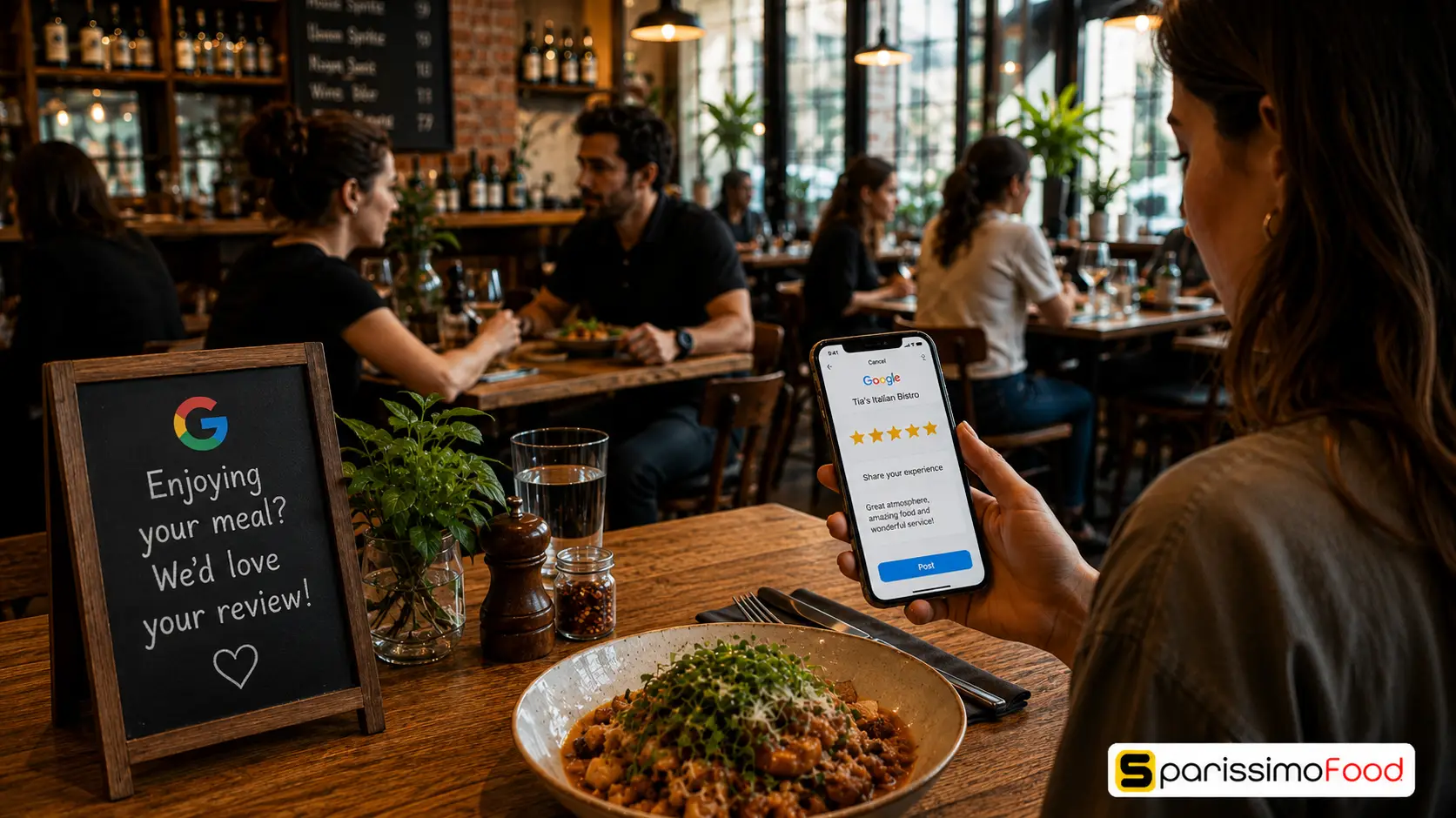
Post-visit review request. Sent 30 to 90 minutes after a visit, while the experience is still fresh, covered further in our guide to getting more Google reviews. A guest who reports a poor experience by text gives you a chance to recover the relationship before it becomes a public review.
Milestone or loyalty reward. Triggered at a visit count or spend threshold rather than a calendar date, so the message always lands when it’s actually earned, not on an arbitrary schedule that might catch a guest mid-visit or on a day they didn’t order.
Step 3: Write Messages That Don’t Quietly Double in Cost
Here’s a detail almost every SMS marketing guide skips entirely, and it matters more for German-language campaigns than for English ones.
Standard SMS uses GSM-7 encoding, which fits 160 characters into a single message segment. The moment a message contains a character outside that set, an umlaut (ä, ö, ü), an ß, an em dash, or most emoji, the entire message switches to Unicode (UCS-2) encoding, which drops the limit to 70 characters per segment. Write a 140-character German promo with two umlauts in it, and instead of sending as one segment, it splits into three, at up to three times the cost.
The fix is straightforward once you know to look for it: draft German-language SMS copy without unnecessary umlauts where a clean substitute exists, keep messages under 70 characters when they must include one, and check the segment count before sending, not after the invoice arrives. This single formatting choice can be the difference between a monthly SMS campaign costing what you budgeted and costing three times that for no extra reach.
Step 4: Time Sends and Keep Frequency Low
Timing decides whether a promotional text gets acted on or ignored. Send lunch offers mid-morning, dinner offers mid-afternoon, and reservation reminders roughly 24 hours ahead, not the moment a guest has already made other plans.
Frequency matters more than most restaurants expect. Across every SMS marketing guide reviewed for this article, the consistent benchmark is two to four promotional messages a month per subscriber. Go higher only for a tightly segmented list, such as a dedicated events audience, where every message is genuinely relevant. UWG doesn’t set a specific send-time window the way US rules do, but sending outside guests’ waking hours is still the fastest way to trigger opt-outs, regardless of what the law technically permits.
Step 5: Measure What Each Campaign Actually Earned
Most restaurants can report total order volume. Very few can say which specific text drove which specific order, and without that, every campaign decision after the first one is a guess.
Track four numbers per campaign: delivery rate (did it arrive), open or click rate where your platform reports it, redemption rate against the offer, and revenue attributed to it. Run the maths before assuming a campaign is worth repeating. A restaurant with a 600-guest subscriber list sending one monthly offer at a typical Swiss SMS rate of roughly CHF 0.05 to 0.10 per message spends CHF 30 to 60 to reach the full list. If 6% redeem a CHF 8 offer at a CHF 35 average order value, that’s 36 orders and CHF 1,260 in revenue from a campaign that cost under CHF 60 to send.
That gap, tens of francs spent against over a thousand in attributed revenue, is why SMS consistently outperforms other channels for restaurants once the list and the sequences are actually built, not why it’s a magic bullet that works without setup.
How SparissimoFood Helps With Automated SMS Marketing
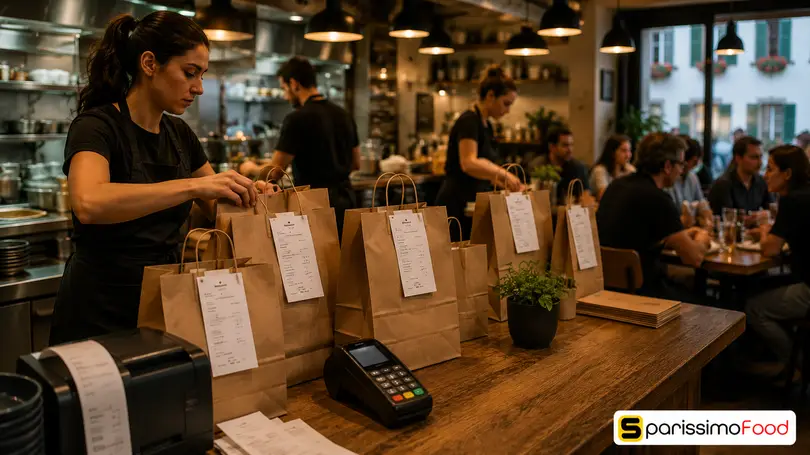
The consent and data-ownership questions above only matter if you actually own the phone numbers you’re collecting. Every guest contact captured through SparissimoFood, whether at online checkout, a QR-code table order, or a reservation, belongs to your restaurant, not to SparissimoFood, which is what makes building the five sequences in Step 2 possible in the first place rather than relying on data a third-party marketplace never hands back.
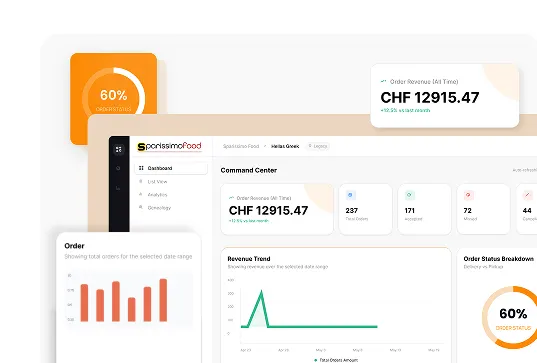
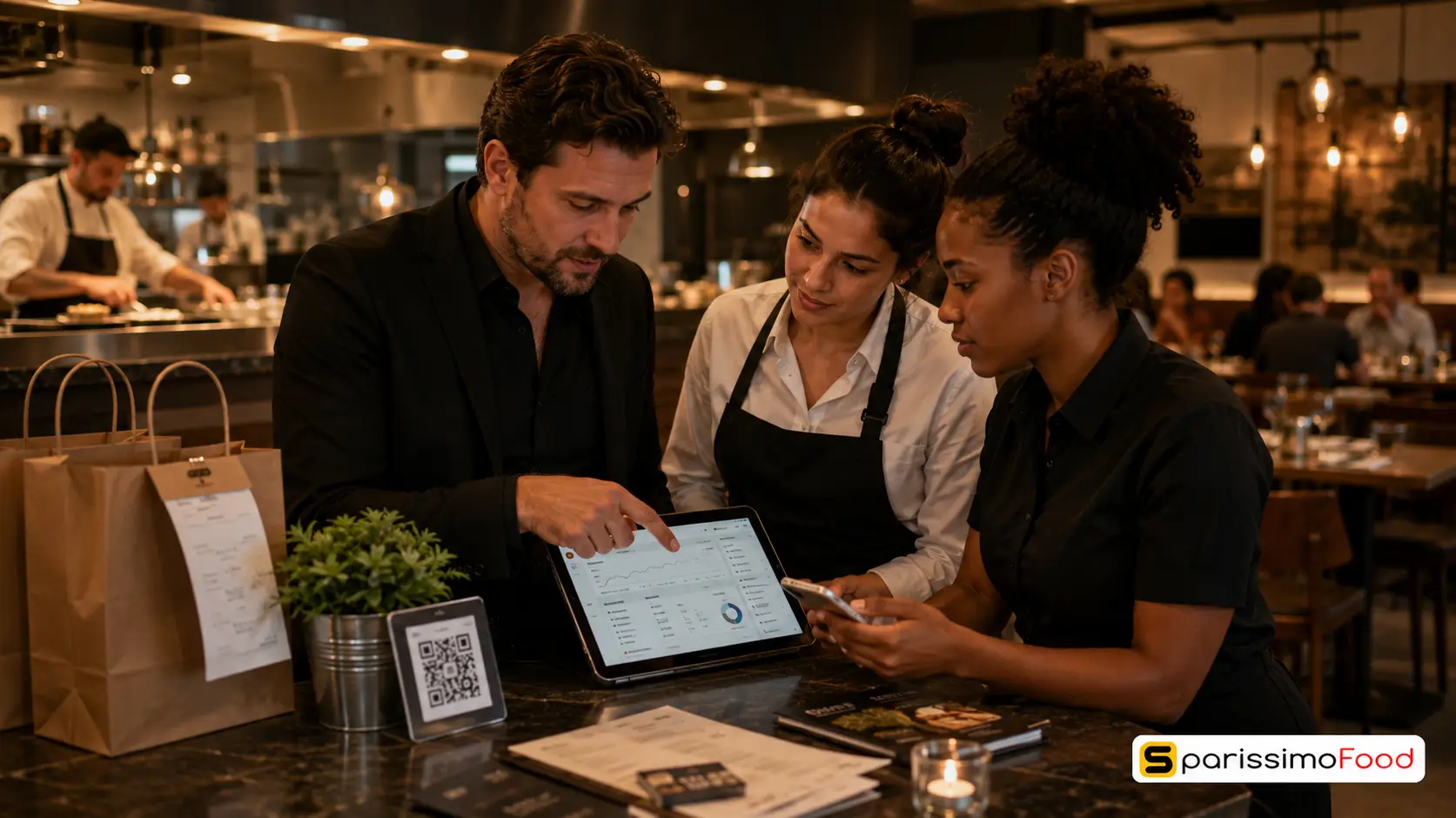
The manager dashboard shows order volume and repeat-guest activity in real time, so tracking which campaign actually drove which order, the Step 5 calculation above, is a number you can pull rather than estimate. Because TWINT is built into checkout natively, an SMS offer that links to your ordering page converts without the payment-method friction covered earlier.
Pricing runs on predictable plans rather than a marketing tool you have to reconcile separately: Starter at CHF 49/month with an 8% commission, Business at CHF 79/month with 5%, and Professional at CHF 148/month, also at 5%. None of that is commission-free, but it’s the same platform already holding your menu, your orders, and now your subscriber list, rather than a fourth system to keep in sync.
The 14-day free trial requires no credit card, enough time to build the welcome and reminder sequences from Step 2 and see the first automated messages go out before deciding anything.
Frequently Asked Questions
Is SMS marketing legal for restaurants in Switzerland without prior consent?
No, not for automated mass advertising. Switzerland’s Federal Act Against Unfair Competition (UWG) requires explicit prior consent before sending marketing SMS, with one exception: guests who gave you their number during an actual order or booking, and had a clear chance to decline further contact then, can be messaged about similar offers without a separate opt-in.
How much does automated SMS marketing cost for a restaurant?
Sending costs typically run roughly CHF 0.05 to 0.10 per message in Switzerland, so a 600-guest list costs CHF 30 to 60 per monthly campaign to reach in full. Platform costs vary depending on whether SMS is bundled into an existing ordering system or billed as a separate marketing tool.
How often should a restaurant text its guests?
Two to four promotional messages a month per subscriber is the benchmark most restaurant SMS programmes converge on. Sending more often works only for a tightly segmented, highly relevant list, such as guests who specifically opted into event announcements.
Do umlauts and special characters really affect SMS cost?
Yes. Standard SMS uses GSM-7 encoding, fitting 160 characters per segment, but any umlaut, ß, or most emoji switches the whole message to Unicode encoding, which drops the limit to 70 characters per segment. A German-language message that would otherwise send as one segment can split into two or three, multiplying the cost for the same message.
What’s the first automated SMS sequence a restaurant should build?
A welcome offer triggered the moment a guest opts in, paired with a reservation or order reminder sent roughly 24 hours ahead. Both require minimal creative writing, both connect to a guest interaction that already happened, and together they typically account for most of the value an automated programme delivers in its first month.
The guest who opted in already decided you’re worth hearing from again; the only question left is whether the first automated text earns that back.
.Ds4FHhSq_ZxC9WE.webp "Restaurant Upselling Techniques That Don't Feel Pushy")
.CXCr6fQt_Z11gsYh.webp "Build a Branded Restaurant App Without Developers")
.y09Xtv8Z_1gH6f6.webp "Set Up Restaurant Online Ordering in Under a Week")
.B-Rl4IDw_Z204OoN.webp "Restaurant Loss Prevention and Theft Guide")
.DPpk5JZR_AlrVy.webp "Restaurant Communication During Peak Hours | Guide 2026")
.B6eEizW1_Z2bHQYl.webp "Restaurant Menu Pricing Strategies That Actually Protect Your Margins in 2026")
.CRszlDy5_2neUXu.webp "How to Migrate from GloriaFood Without Disruption: A Technical Step-by-Step Guide")
.kT6N2QP-_1Tp2j1.webp "GloriaFood Is Shutting Down on April 30, 2027 — What Every Restaurant Owner Needs to Do Now")