
Restaurant Promotions Without Losing Money: Margin Playbook
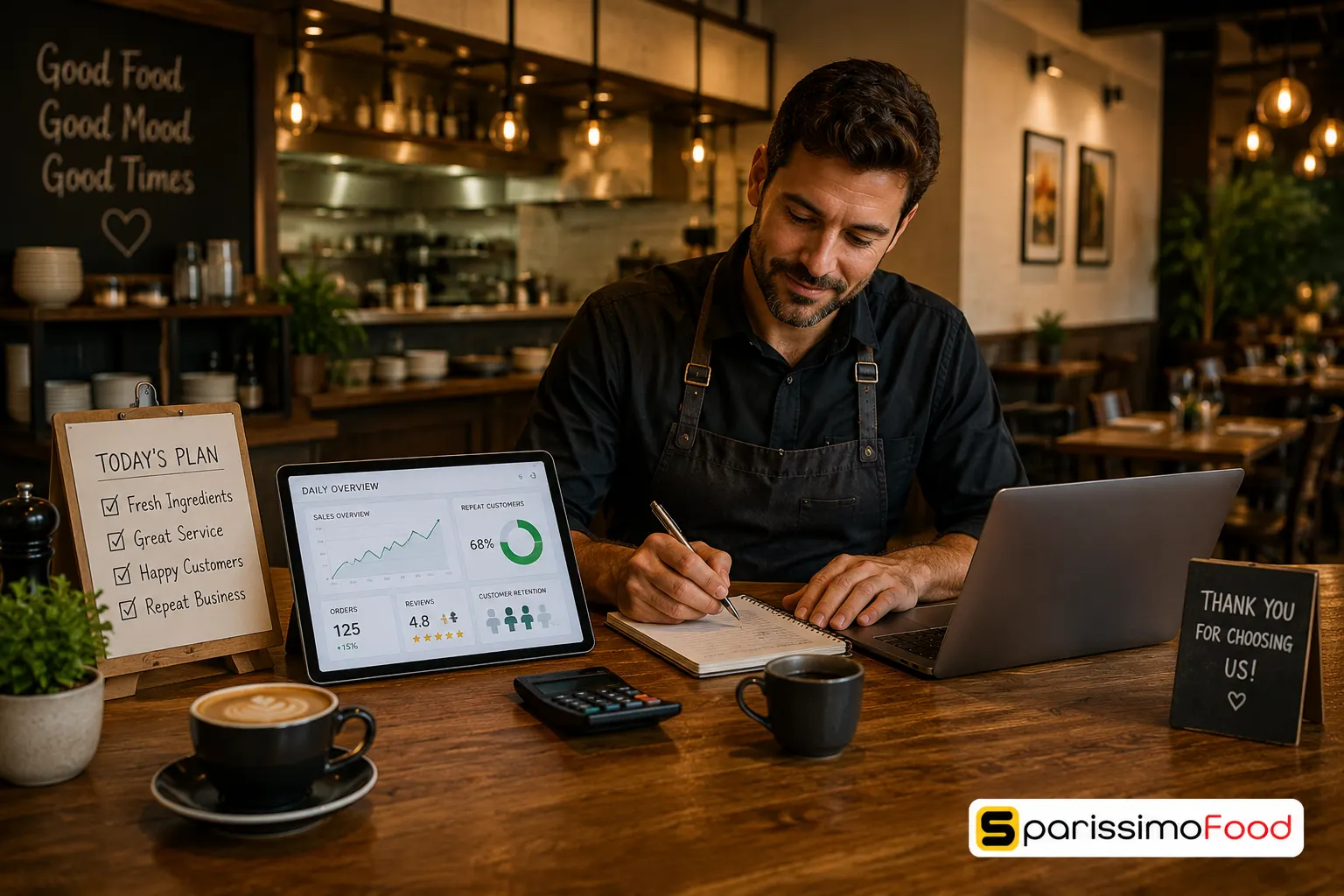

Quick Answer: Most restaurant promotions lose money due to wrong maths and the wrong channel. The maths: a 20% blanket discount requires 41% more covers just to match your original gross profit. The channel: running promotions through third-party platforms adds a 25–30% commission on top of your discount, cutting 45–50% of revenue per order. The fix is running margin-safe offers — bundles, bounce-back vouchers, or spend thresholds — through your direct ordering channel, where you own customer data and pay a fraction of the commission.
Every Swiss restaurant owner has experienced it. Tables are full, the kitchen is busy, but weekly numbers reveal that margins have evaporated. Over 60% of promotions fail to generate a positive return — not because the idea was bad, but because the offer was structured incorrectly and sent through a high-commission third-party channel.
Slashing menu prices trains customers to wait for deals instead of paying full value. Protecting your bottom line requires looking at cash margins rather than top-line revenue. This guide fixes both problems with real CHF numbers and promotion formats that work in Swiss restaurants.
The Promotion Maths Swiss Restaurants Get Wrong
Before designing any promotion, you must understand what discounting actually costs in concrete numbers.
Take a typical Swiss casual restaurant (like a pizzeria in Winterthur) with an average check of CHF 42 and a food cost of 31% (CHF 13 per cover). Under standard conditions, your gross profit per cover is CHF 29, which must cover your staff wages, rent, utilities, and taxes.
Now run a 20% discount on the whole menu.
The customer pays CHF 33.60. Your food cost remains CHF 13. Gross profit per cover drops to CHF 20.60 — a 29% reduction per plate. To earn the same total gross profit you were generating before the promotion, you now need 41% more covers. If a quiet Tuesday dinner typically serves 55 covers, you need 77 covers at the discounted rate just to break even — before accounting for the additional labour and energy required to serve 22 extra guests.
That is the maths problem. Now add the channel problem.
If you run that 20% promotion through a third-party aggregator like Just Eat, the platform takes a 25–30% commission on the discounted order value. On a CHF 33.60 order, Just Eat collects CHF 8.40–10.08. You receive CHF 23.52–25.20. After subtracting your food cost of CHF 13, your gross profit is between CHF 10.52 and CHF 12.20 — on an order that should have generated CHF 29.
You have given away nearly two-thirds of your potential gross profit to run a promotion, and you do not even know the customer’s name.
Understanding your baseline menu margins is the essential first step — our guide to restaurant menu pricing strategies covers the calculation framework before you build any promotion around it.
6 Margin-Safe Restaurant Promotion Strategies
1. Bundle Deals: Add Perceived Value Without Cutting Price
Bundle promotions increase perceived value to the customer at a far lower cost than percentage discounts. Instead of discounting core mains, package them with high-margin accompaniments.
Swiss example — date night bundle: “2 main courses + shared starter + 2 glasses of house wine: CHF 89” (versus CHF 104 if ordered separately).
The apparent saving is CHF 15. However, your cost is built from high-margin items: house wine (cost: CHF 3 per glass) and a shared starter (cost: CHF 4). The total cost of this discount is CHF 10 — but your average check per person has risen to CHF 44.50, and you have sold two wines that may not have been ordered otherwise. You spend CHF 10 to deliver CHF 15 in perceived value while lifting your average check.
2. Time-Limited Offers for Slow Periods Only
Never discount peak hours. A full Friday dinner at full price does not need a promotion — running one simply gifts away margin on orders you would have taken anyway.
Target promotions exclusively at your lowest-performing slots:
- Tuesday and Wednesday dinner, if those are your quietest evenings.
- The 3–5 PM gap between lunch and dinner.
- January and February, historically the slowest months.
Fixed costs like rent and labour are already paid. Every incremental cover during a slow period contributes positive margin. A CHF 34 discounted cover that still generates CHF 21 in gross profit is pure contribution margin during a time slot the kitchen was already staffed for.
3. Spend Thresholds: Reward Higher Spending, Not Lower Prices
Structure promotions to increase order value rather than reduce it. This ensures you only give away margin when the guest has already guaranteed you a high-ticket transaction.
Example: “Spend CHF 55 or more and receive a complimentary dessert.”
If your average check is CHF 42, guests will add a side dish, beverage, or coffee to reach CHF 55. The incremental revenue is CHF 13. The dessert food cost is only CHF 3.50. This results in a net gain of CHF 9.50 per qualifying transaction. This rewards the customer behaviour you want — higher checks — rather than training them to expect price reductions.
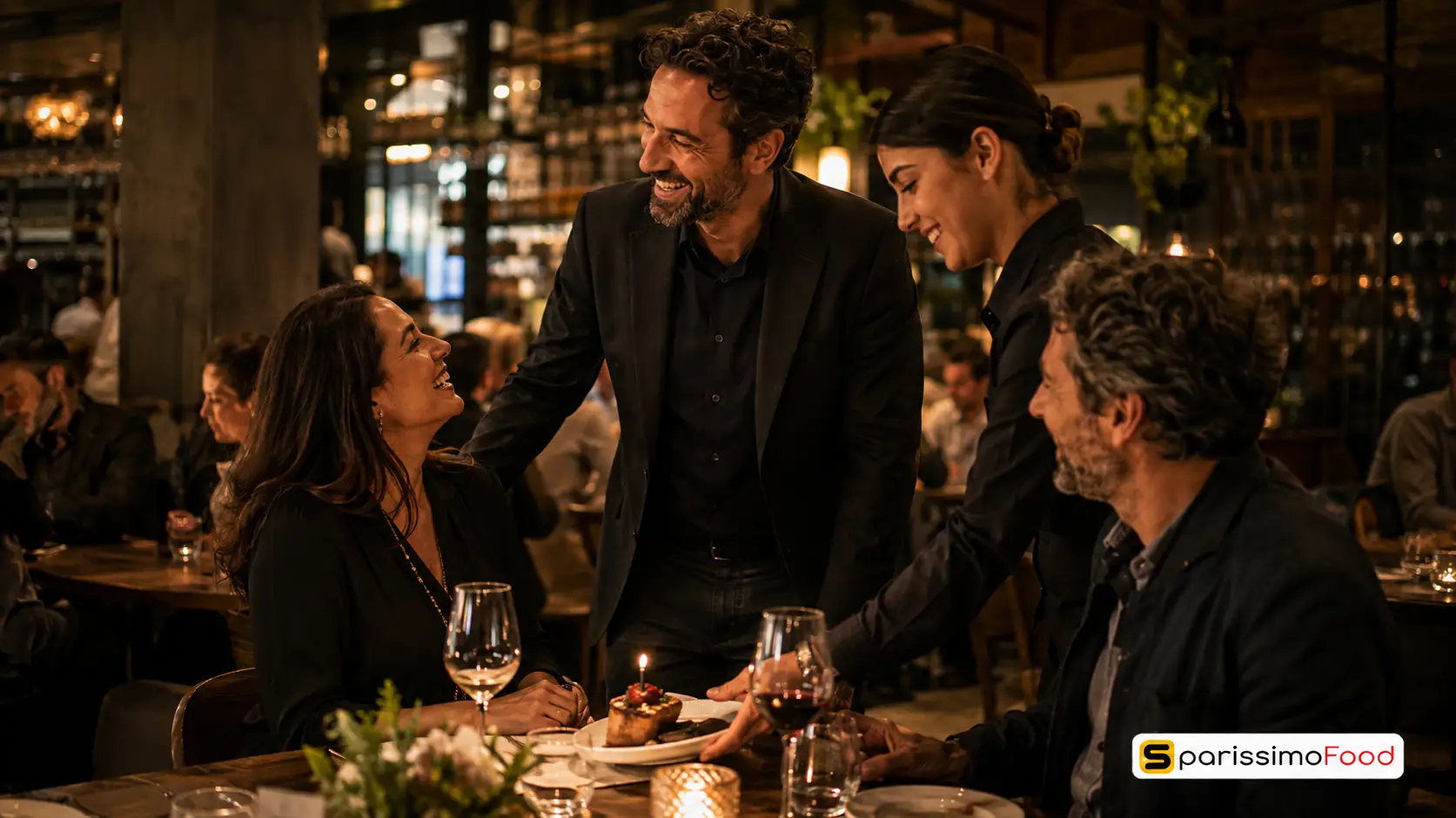
4. Bounce-Back Offers: Turn First Visits Into Repeat Visits
A bounce-back offer is a voucher given at the end of the first visit, redeemable only on a future visit within a set time window. According to Bain & Company research, as reported by Harvard Business Review, increasing customer retention rates by just 5% can boost profits by 25% to 95%.
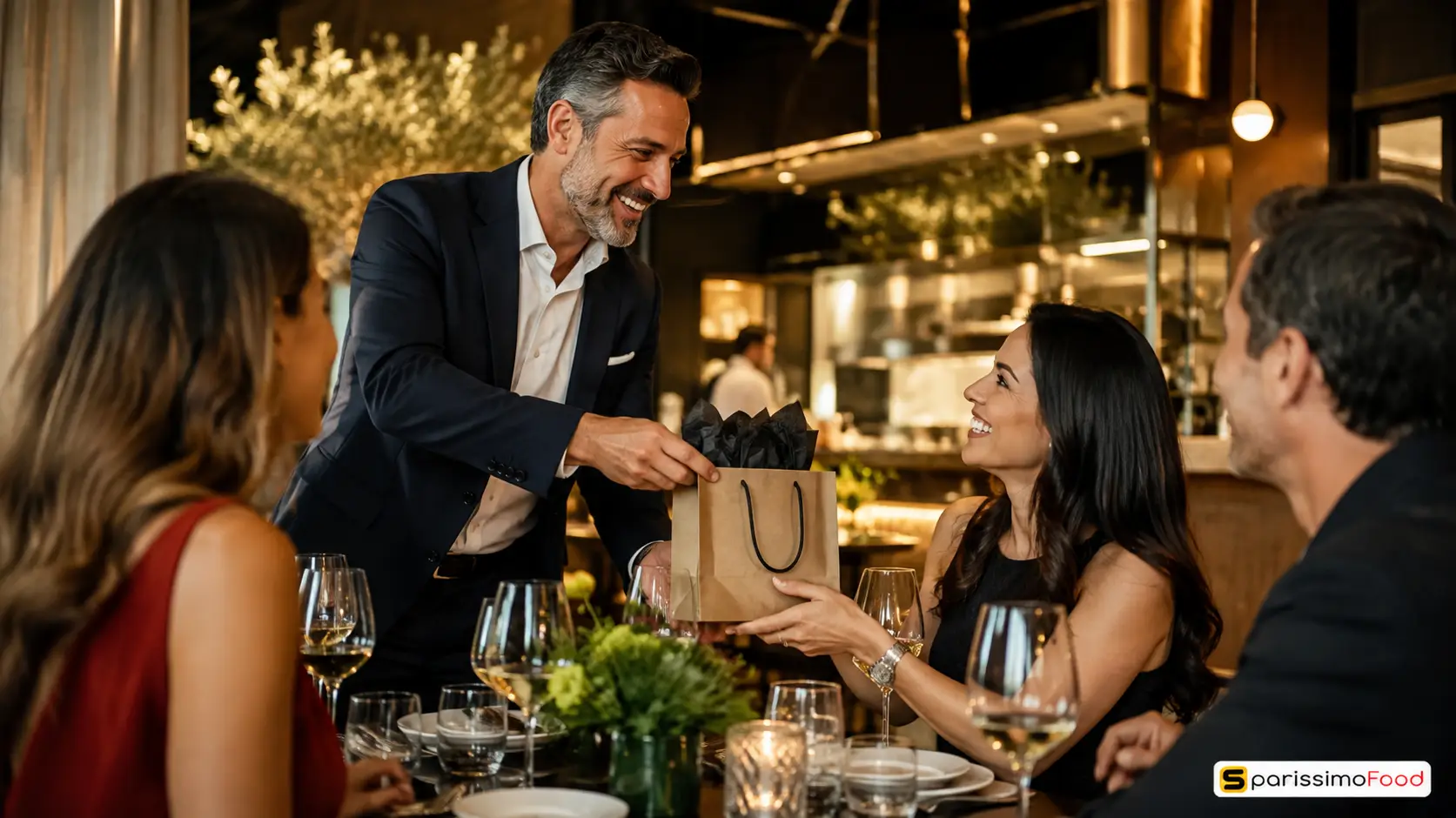
Tuck a card into the takeaway bag or include it with the bill: “Thank you for dining with us. Here’s CHF 8 off your next order of CHF 40 or more — valid for 30 days.”
Typical redemption rates sit at 15–25%. The CHF 8 cost only triggers on a CHF 40+ order, keeping the transaction comfortably above your food cost breakpoint. The 30-day time limit creates urgency without feeling aggressive.
A first-time diner who returns twice becomes a regular. A regular customer in a Swiss restaurant is worth CHF 900–2,400 in lifetime revenue over three years. A CHF 8 investment to convert a one-time visitor is one of the highest-ROI marketing actions available to you.
5. Low-Cost Giveaway Promotions
Give away items with very low food cost but high perceived value. This approach delights guests without impacting your primary food margins:
- Free bread or a small olive dish with any order — food cost: CHF 0.40–0.80
- Free coffee with a lunch main — food cost: CHF 0.35–0.55
- Free birthday dessert for loyalty members — food cost: CHF 2.50–4.00
- Free starter with any online order over CHF 35 — food cost: CHF 3–5
These cost almost nothing in absolute terms but shift perceptions decisively. A “free coffee with your lunch” promotion costs your kitchen only CHF 0.45, yet it tips the decision in your favour when a customer is choosing between your restaurant and the competitor next door.
6. Event-Based Promotions: Sell an Experience, Not a Discount
Events generate traffic without cutting prices. By packaging food with an activity, you shift the guest’s focus from price to entertainment.
- Swiss wine pairing evening — fixed price of CHF 75 per person for 4 courses matched with regional wines. Wine margin at 200–300%; the event format justifies premium pricing and creates a compelling reason to book in advance.
- Seasonal raclette or fondue evenings with group reservations — a fixed-price format that removes à la carte complexity, moves high-margin add-ons (wine, digestifs) naturally, and is easy to sell to corporate groups.
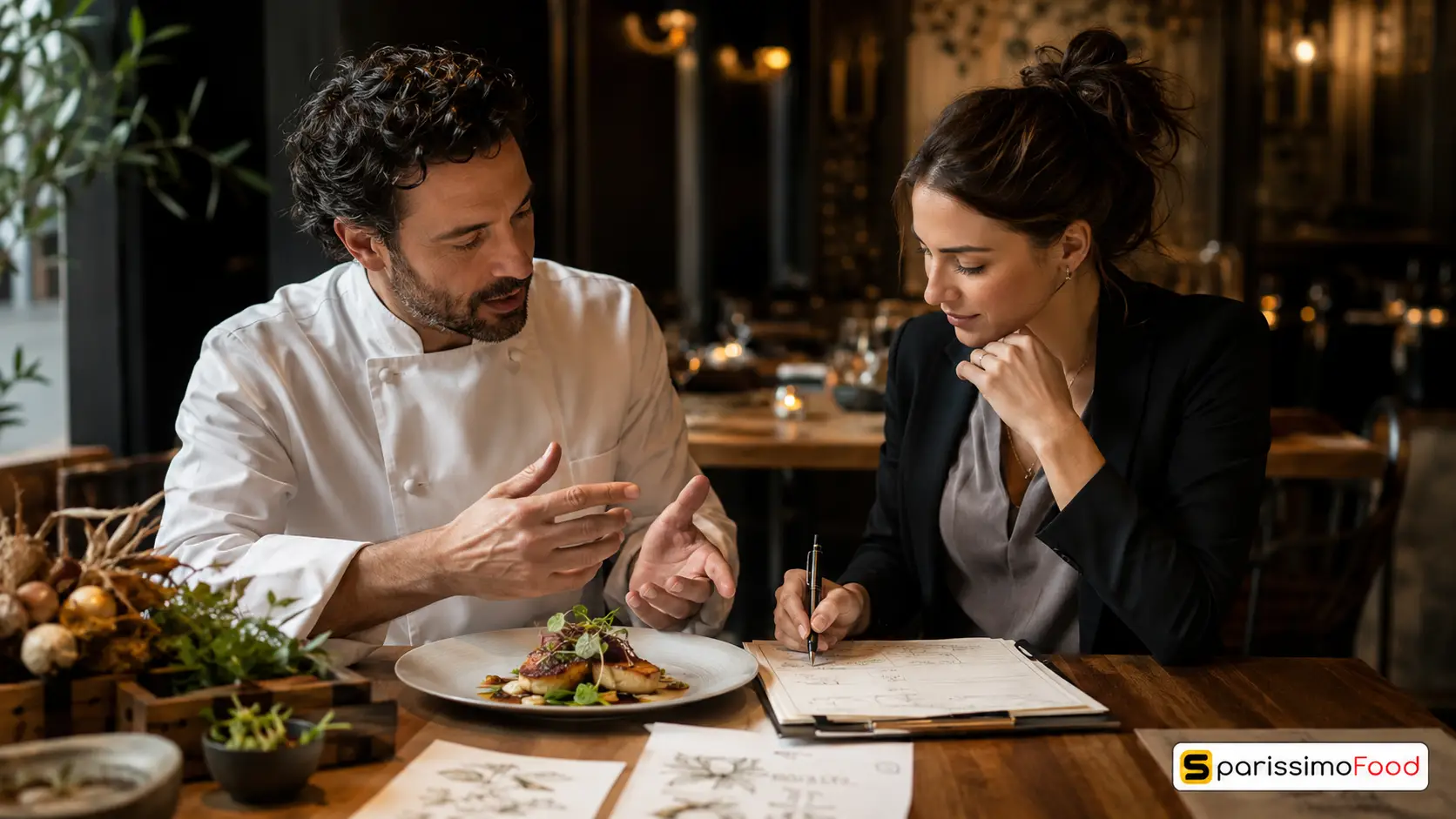
- New menu launch tasting — 12 seats, Chef’s table, CHF 60 per person. Zero discount; the promotion is the exclusivity.
- Chef’s cooking class — CHF 70 per participant, food cost CHF 12–15 per person. Participants spend two hours in your kitchen and become loyal customers.
Events remove price from the conversation entirely. The “promotion” is the experience — and experience-led promotions generate press, social media content, and word-of-mouth. A well-executed monthly event can also help drive consistent Google reviews from participants who have a genuinely memorable story to share.
The Channel Trap: Why Your Promotions Should Run on Your Own Platform
The most overlooked mistake in Swiss restaurant promotion strategy is the distribution channel.
When you run a promotion through Just Eat or a similar aggregator, the platform collects 25–30% commission on the discounted order value, the customer’s details go to the platform, and the customer is re-targeted by the platform toward your competitors. For a detailed CHF breakdown of what that costs per order in Switzerland, see our analysis of Just Eat’s commission structure.
When you run the same promotion through your own direct ordering channel, you pay a low per-order commission, capture the customer’s email and phone number, and control the follow-up. The long-term ROI is three to five times higher because you build a customer relationship that compounds over time.
The Swiss Restaurant Promotion Calendar
Switzerland has a distinct cultural and seasonal rhythm that creates natural promotion windows. Use them to match guest expectations:
January–February: The quietest months across Swiss restaurants. Bundle deals and spend-threshold promotions are effective here. Lean into warmth — fondue, hot drinks, regional comfort food. Promote experience and atmosphere, not discounts.
February: Carnival / Fastnacht (particularly in Basel, Zurich, and Lucerne). Significant local foot traffic. Themed specials or a prix-fixe Carnival menu work better than blanket discounts.
April: Easter family dining. Family bundle deals — with children’s portions included and a shared dessert — drive high-value table checks without price reductions.
August 1st — Swiss National Day: Menus built around Swiss regional produce (Rösti, Swiss cheese boards, local wines) resonate strongly with diners looking to mark the holiday, and the occasion gives you a natural reason to price a fixed regional menu at a premium rather than discount it.
September–October: Harvest season. Seasonal tasting menus featuring Swiss game, forest mushrooms, and regional produce justify premium pricing and attract customers who understand and value the concept.
December: Your highest-margin window of the year. Fixed-price group menus for corporate bookings and Christmas parties; advance deposits on reservations. This is not a discounting period — it is a maximise-revenue period. Focus on filling reservations and managing no-shows rather than launching deals.
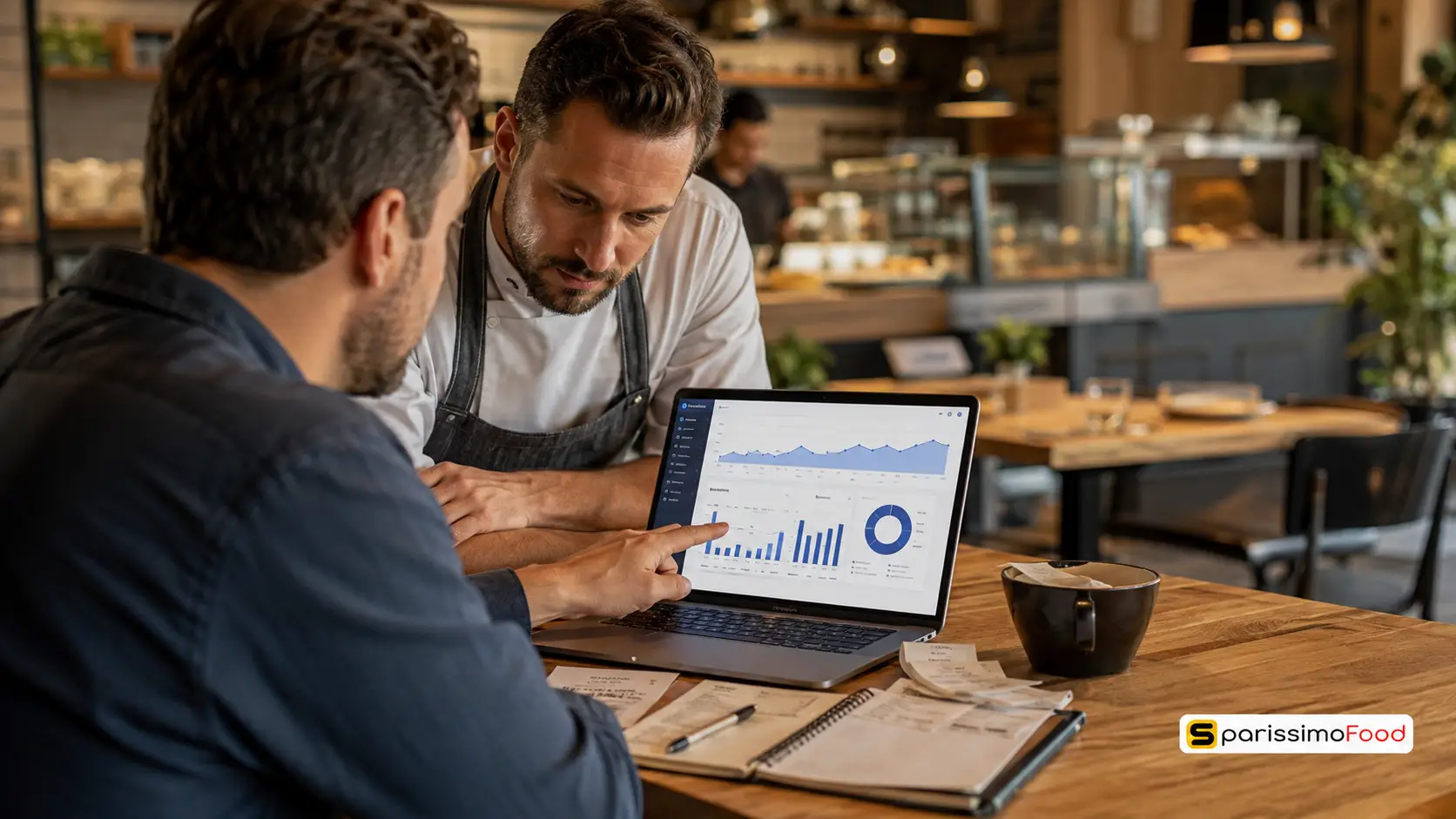
How to Calculate Promotion ROI Before You Launch
Every promotion should pass this calculation before it goes live:
Step 1: Calculate the actual cost of the promotion per customer who redeems it. A free dessert costs you its food cost. A CHF 8 voucher costs CHF 8.
Step 2: Estimate the incremental revenue per promotional customer — meaning customers who came specifically because of the promotion, not customers who would have come and spent the same amount regardless.
Step 3: Subtract additional food cost and labour for incremental covers.
Step 4: If the number is positive, the promotion is viable. If it is negative before launch, it will be negative after launch. Run the calculation first.
CHF example — “free starter with Tuesday dinner” promotion:
- Additional incremental covers: 18
- Average main course revenue per additional cover: CHF 28
- Starter food cost: CHF 4 per cover
- Main course food cost at 30%: CHF 8.40 per cover
- Additional labour (one extra server for partial shift): CHF 45
Calculation: (18 × CHF 28) − (18 × CHF 4) − (18 × CHF 8.40) − CHF 45 = CHF 243.80 additional profit per Tuesday.
That is approximately CHF 975 per month in additional profit from giving away a CHF 4 starter. The promotion is worth running. Repeat it.
Promotions That Quietly Destroy Margin
Blanket percentage discounts on your full menu during peak hours — you are giving away margin on orders you would have taken at full price regardless.
Ongoing daily deals with no end date — they become your real price. Removing them later is experienced as a price increase and damages trust.
Deep discounts on third-party aggregator platforms — the combined effect of platform commission plus the promotional discount can reduce your net revenue per order by 45–50%. See the full cost breakdown for Swiss restaurants to understand the real numbers.
Discounting your signature dishes — your best items at full price are what build your reputation. Discounting them trains customers to wait for a deal before ordering the thing you do best.
Running promotions with no tracking — if you cannot measure what baseline your Tuesday dinner was performing at before the promotion started, you cannot know whether the promotion actually caused the uplift or whether it happened anyway.
How Direct Ordering Systems Protect Your Margins
The foundation of a profitable promotion strategy is your own direct ordering channel. Without one, you build a platform’s customer base, not yours.
Choosing a direct online ordering system (like a direct online ordering platform) gives Swiss restaurants a cost-effective alternative to high-commission aggregators. Direct ordering plans typically start around CHF 49 per month with a low 5–8% commission per order, making promotion-driven growth financially viable.
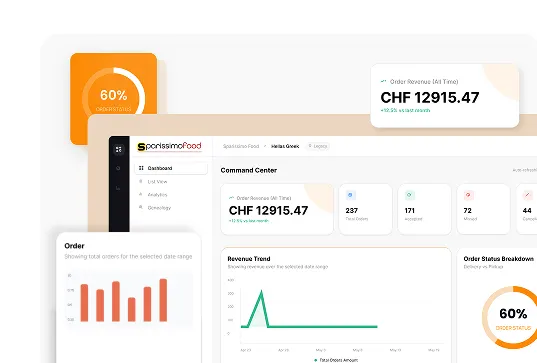
When you run a spend-threshold promotion through a direct ordering platform, the discount activates automatically once the cart reaches your configured minimum. Every customer’s email and phone number is captured with each order — owned by your kitchen, not a third-party portal — allowing you to run targeted email campaigns to encourage repeat bookings. The manager dashboard shows real-time performance, so you can adjust or pause promotions instantly if the kitchen gets overwhelmed.
Start your direct ordering journey with a 14-day free trial — no credit card required — by exploring direct ordering plans.
Frequently Asked Questions
What is the most profitable type of restaurant promotion? Bundle deals and spend-threshold promotions consistently generate the strongest ROI because they increase the average order value. A bundle might offer customers CHF 15 in perceived savings while costing you only CHF 8–10 in food cost. Spend thresholds reward higher spending behaviour directly, ensuring every promotional transaction remains profitable.
How do I calculate whether a restaurant promotion will be profitable before I run it? Calculate the cost of the promotion per redemption, estimate the incremental covers it will generate, subtract additional food and labour costs, and check if the net margin is positive. A 20% blanket discount requires 41% more covers to break even; if that increase is unrealistic, the promotion will lose money.
Should I run restaurant promotions on Just Eat or on my own website? Run promotions through your own website. A promotion on Just Eat carries a 25–30% commission on top of your discount, which can wipe out 45–50% of your revenue. Direct channels cost significantly less, and you capture the customer’s contact details for future marketing.
How often should a restaurant run promotions? Limit promotions to two or three times per month. Over-promoting trains customers to expect discounts, damaging your pricing power. Give each promotion a defined end date, and space them out to target specific goals like filling slow periods.
What restaurant promotions work specifically in Switzerland? Swiss diners value authenticity and experiences. Fixed-price seasonal menus (like game in autumn or fondue in winter) justify premium pricing. For delivery, TWINT-integrated spend-threshold promotions work best because TWINT reduces cart abandonment and thresholds protect your margins.
A promotion that fills your restaurant but empties your margin is not a success — it is a slow-motion problem that looks like growth.
.Ds4FHhSq_ZxC9WE.webp "Restaurant Upselling Techniques That Don't Feel Pushy")
.CXCr6fQt_Z11gsYh.webp "Build a Branded Restaurant App Without Developers")
.y09Xtv8Z_1gH6f6.webp "Set Up Restaurant Online Ordering in Under a Week")
.B-Rl4IDw_Z204OoN.webp "Restaurant Loss Prevention and Theft Guide")
.DPpk5JZR_AlrVy.webp "Restaurant Communication During Peak Hours | Guide 2026")
.B6eEizW1_Z2bHQYl.webp "Restaurant Menu Pricing Strategies That Actually Protect Your Margins in 2026")
.CRszlDy5_2neUXu.webp "How to Migrate from GloriaFood Without Disruption: A Technical Step-by-Step Guide")
.kT6N2QP-_1Tp2j1.webp "GloriaFood Is Shutting Down on April 30, 2027 — What Every Restaurant Owner Needs to Do Now")