
Restaurant Customer Retention Guide

Quick Answer: Getting repeat customers requires moving from transactional service to a structured retention system. Focus on operational consistency to avoid service failures, capture consented guest contact data during direct checkout, and use segmented email or SMS campaigns to trigger second visits. Providing a frictionless payment experience and executing clear win-back campaigns are the keys to building long-term loyalty without relying on paid advertising.
Many independent restaurant owners assume that the only way to fill tables is to buy paid ads or offer steep discounts on delivery marketplaces. However, guest acquisition is an expensive cycle that continuously eats into your net margins. Shift your focus instead to customer retention: persuading the guests who already know your food to return more frequently.
In Switzerland’s competitive hospitality sector, local operators face high labour costs and tight operating margins. Bain & Company research, as reported by Harvard Business Review, has long linked stronger customer retention with higher profitability across several industries. The exact financial effect varies by restaurant type, margins, and customer frequency, so operators should calculate it using their own repeat-order data. By building direct digital relationships and standardising guest experiences, you can drive sustainable revenue growth without relying on paid advertising.
Why Customer Retention is the Core of Restaurant Profitability
Relying solely on new customer acquisition is a high-risk strategy. Every time you acquire a new customer through paid ads, your customer acquisition cost (CAC) consumes a significant portion of that guest’s initial transaction value. Repeat guests, on the other hand, have a much lower incremental acquisition cost than entirely new customers. They already know your location, trust your food quality, and are far more profitable over their lifetime.
Building customer loyalty helps independent Swiss restaurants in three ways:
- Reduced Marketing Costs: Once a guest joins your direct communication list, you can reach them through low-cost owned communication channels rather than paying for advertising impressions.
- Higher Lifetime Value: Regular guests are familiar with your menu and are more comfortable ordering premium items, appetizers, and desserts, which increases their average lifetime spend.
- Operational Stability: Having a predictable percentage of repeat visits provides a stable baseline of covers, making inventory planning and staff scheduling much easier.
The Foundation of Retention: Consistency and Service Recovery
Before launching any loyalty program or discount campaign, you must ensure your baseline operations are consistent. No coupon or discount code will bring a guest back if their initial experience was marred by bad food or slow service.
Operational Consistency
Consistency is the most effective form of marketing. Restaurants must standardise their service playbooks to ensure that food quality, portion sizes, wait times, and staff friendliness remain identical across every shift. If a guest receives a perfect dish on Friday but a cold, sub-standard version on Tuesday, they will not return.
Why Operational Consistency Matters More Than Discounts
Many restaurant owners make the mistake of attempting to fix declining guest numbers with heavy discounting campaigns. However, if your service quality or kitchen execution fails to impress, discounts only attract price-sensitive one-time diners who will move to whichever venue is cheapest next. Genuine customer retention is built on consistently fulfilling your quality promise. This means ensuring every guest enjoys the exact same positive experience on every visit — from the initial greeting to the final farewell.
Service-Recovery Systems
Service failures will happen, but how you handle them determines whether that guest returns. Implement a simple service-recovery process:
- Acknowledge and Apologise: Train staff to listen to complaints without getting defensive.
- Correct Immediately: Fix the issue right away, whether by replacing a dish or removing it from the bill.
- Log the Issue: Record service errors to identify patterns in the kitchen or front-of-house.
- Follow Up: If you have the guest’s contact details, send a personal note the following day, inviting them back to experience your service at its best.
Capturing Guest Data and Building Consent-Based Relationships
To run retention campaigns, you must own your customer database. Relying on third-party delivery apps prevents you from building relationships because these platforms restrict your access to customer contact details.
Compliance under Swiss Law
When collecting customer email addresses or phone numbers for marketing, Swiss restaurants must comply with the Swiss Federal Act on Data Protection (FADP/DSG) and the Unfair Competition Act. Under these rules, gaining explicit, informed opt-in consent is the standard. Use a non-preselected checkbox during checkout or table reservation that clearly explains that the customer is signing up for updates.
Exception for Existing Customers: Swiss law does permit a limited exception for marketing to existing customers. You may send marketing emails to customers who have purchased from you, provided you offer them a simple, free way to unsubscribe in every message, and the marketing relates to similar products or services.
Loyalty Hooks and Win-Back Campaign Strategies
The transition from a first-time customer to a repeat guest is the most critical stage. If a guest does not return within their natural purchase cycle, they are likely lost.
Segmenting Natural Return Windows
Do not apply the same follow-up timeline to all business models. Define your windows based on your restaurant’s style:
| Restaurant Type | Natural Return Window | Target Second-Visit Action |
|---|---|---|
| Bakery & Coffee Shops | 7–14 days | Suggest morning specials or coffee cards |
| Lunch Takeaway | 14–30 days | Offer mid-week lunch bundles |
| Casual Dining | 30–60 days | Promote seasonal menus or weekend events |
| Fine Dining | 60–120 days | Highlight special tasting menus |
Designing a Bounce-Back Test
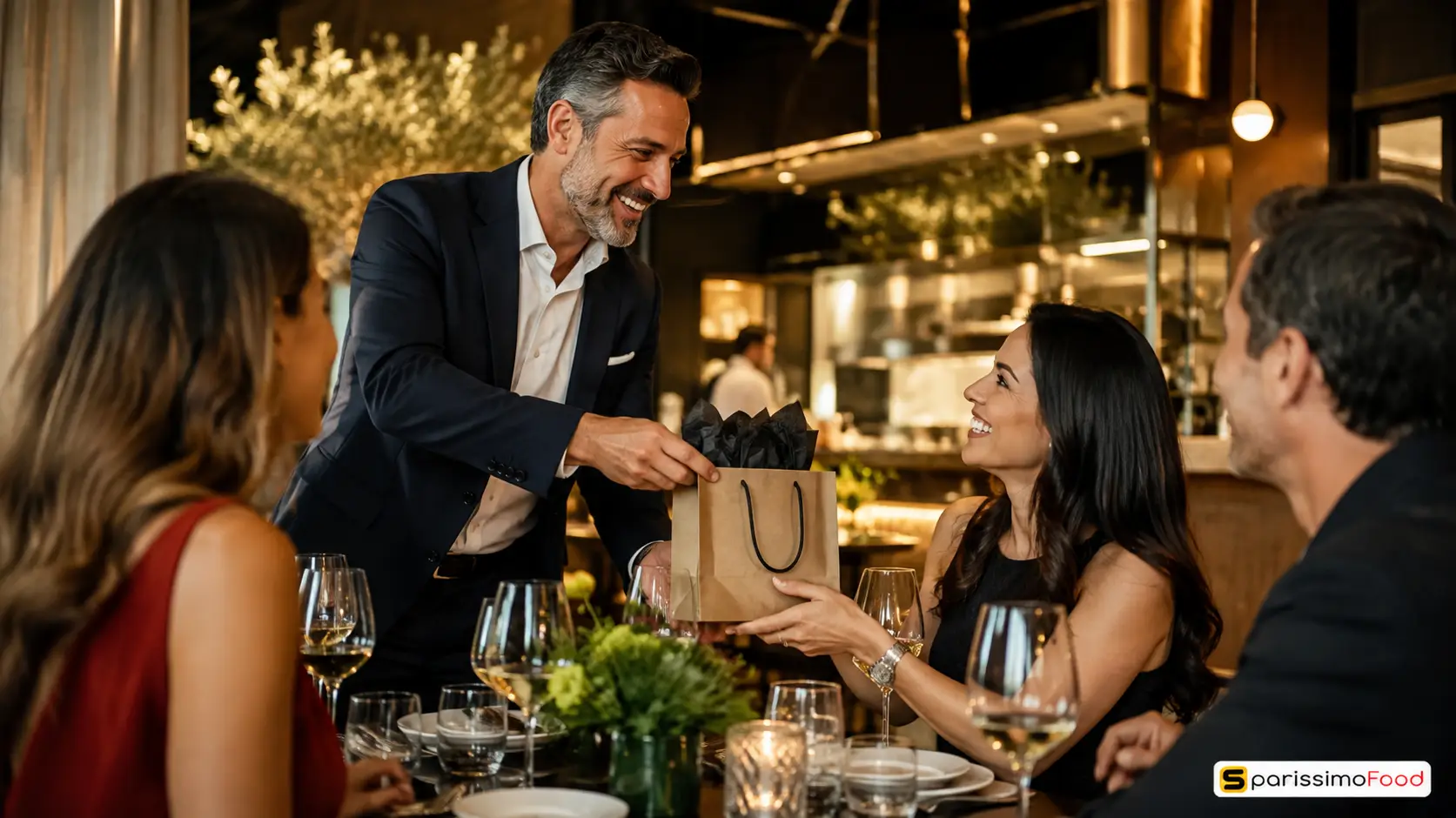
Instead of giving away unconditional discounts, design a structured bounce-back test. When a guest pays their bill, hand them a voucher valid only for their next visit within their natural return window (e.g. 21 days for casual dining). Set a minimum spend threshold (such as “CHF 10 off your next bill of CHF 50 or more”) and test the redemption rates, margins, and repeat visit frequency against a control group of customers who did not receive the offer.
Personalisation and Guest Segmentation for Swiss Restaurants
To increase guest frequency, move away from mass marketing blasts. Group your customers into behavioural segments and send tailored messages that match their relationship with your kitchen.
Behavioral Segmentation Matrix
| Segment | Definition | Target Action | Campaign Example |
|---|---|---|---|
| First-Time Guest | Has visited or ordered exactly once. | Secure the second visit. | Welcome Email: “Thanks for dining with us! Enjoy a complimentary dessert on your next visit within 3 weeks.” |
| New Regular | Has visited twice in the last 60 days. | Introduce loyalty perks. | Loyalty Invitation: “You’re on your way to becoming a regular. Join our digital club to earn rewards.” |
| Active Regular | Visited 3+ times in the last 60 days. | VIP recognition. | Exclusive Offer: “Be the first to try our new autumn menu. Book your table for our preview evening.” |
| Lapsed Guest | No visits or orders in the last 60–90 days. | Reactivate relationship. | Win-Back Text: “We miss you at Da Marco. Use code WELCOMEBACK for CHF 10 off your next order.” |
In-Service Personalisation
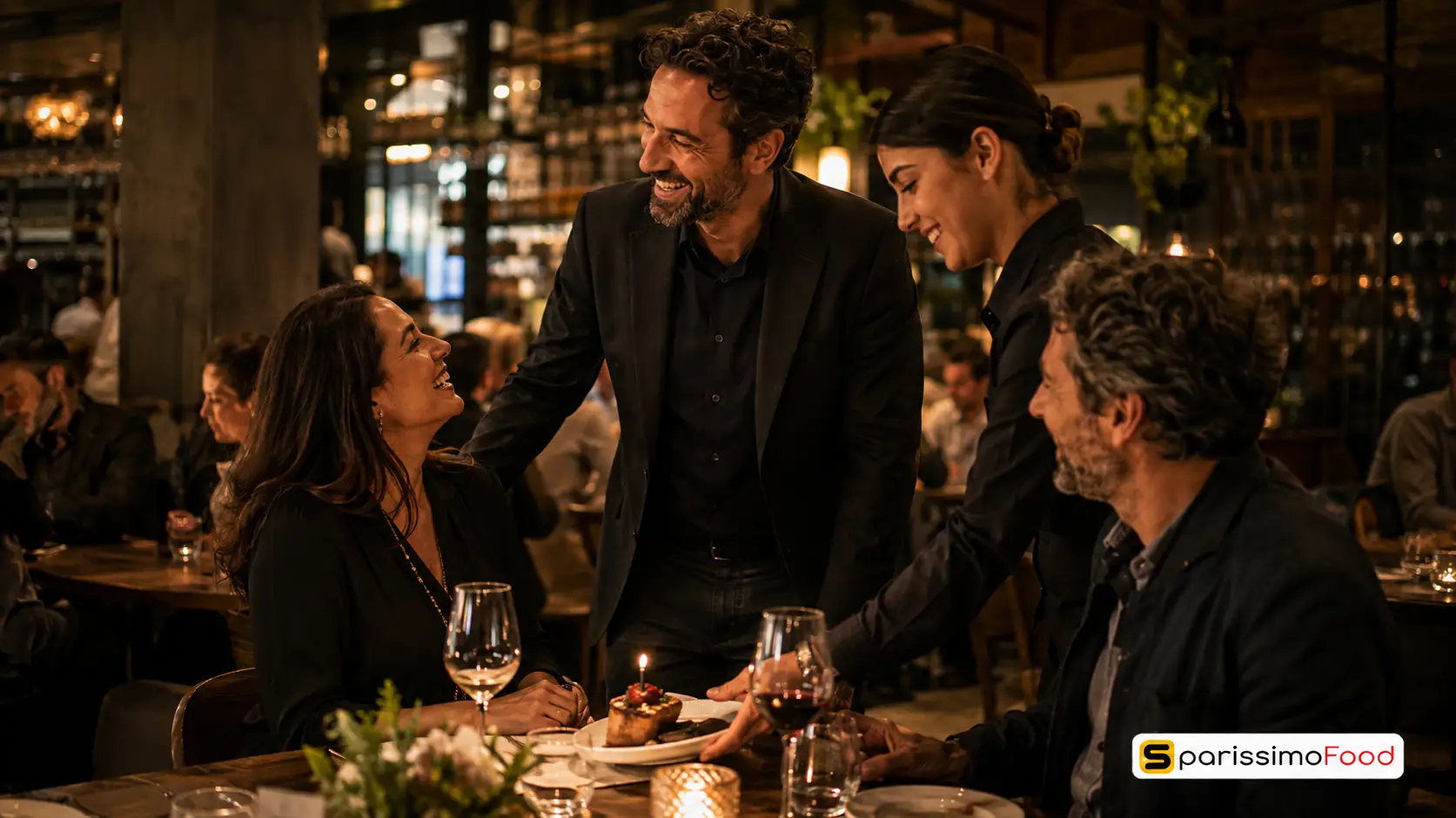
Train your team to recognise and reward regular guests. Use your management systems to record guest preferences (such as a favourite table, water choice, or allergies). Greeting a regular guest with “Grüezi Herr Weber, would you like your usual table near the window?” creates a sense of belonging that competing chains cannot replicate.
Practical Templates for Segmented Email and SMS Campaigns
To help you implement targeted guest communication, here are three proven message templates for your restaurant:
- Welcome Message for First-Time Guests (Email): Subject: Thank you for dining with us at [Restaurant Name]! “Grüezi [Name], thank you for visiting us last weekend. We hope you enjoyed your evening with us. As a token of our appreciation, we would love to invite you to enjoy a complimentary dessert on your next visit within the next three weeks. Simply present this message to our service team. We look forward to welcoming you back! Warm regards, The [Restaurant Name] Team.”
- Win-Back Message for Lapsed Guests (SMS): “Grüezi [Name], we haven’t seen you at [Restaurant Name] in a while. We miss you! Use code WELCOMEBACK on your next online order for CHF 10 off (minimum order value CHF 40). View our current menu here: [Link].”
- VIP Invitation for Active Regulars (Email): Subject: Exclusive invitation: Our new autumn menu at [Restaurant Name] “Grüezi [Name], as one of our most loyal regular guests, we would like to offer you something special. Before officially launching our new autumn menu, we are inviting you and a guest to an exclusive preview evening next Thursday. Be among the first to sample our new dishes. Tables are limited — reserve your favourite table today: [Link].”
How SparissimoFood Helps Turn Repeat Visits into Revenue
Maximising guest retention requires stable digital systems. SparissimoFood provides independent Swiss restaurants with the tools needed to build a loyal customer database and drive repeat sales organically.
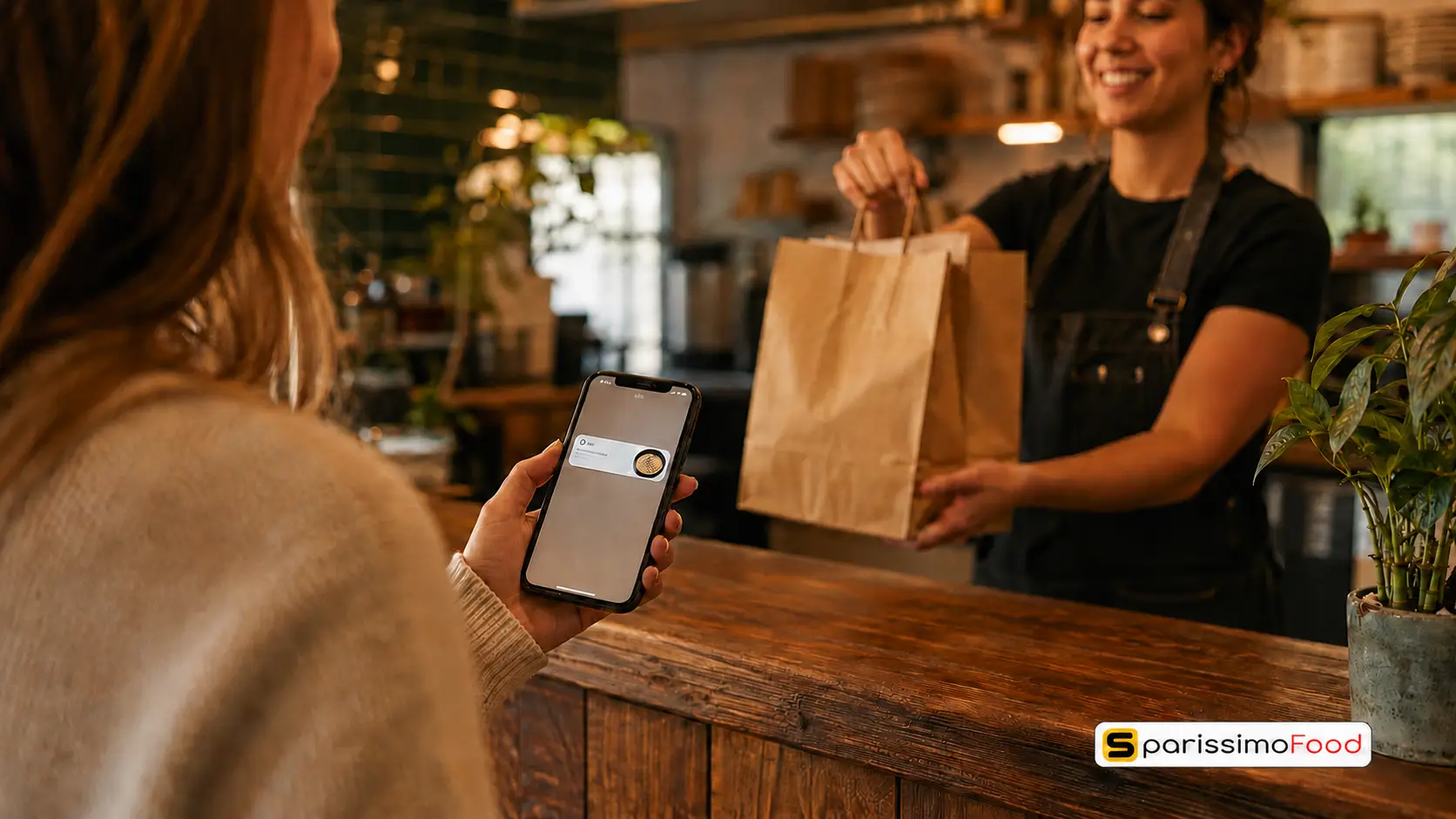
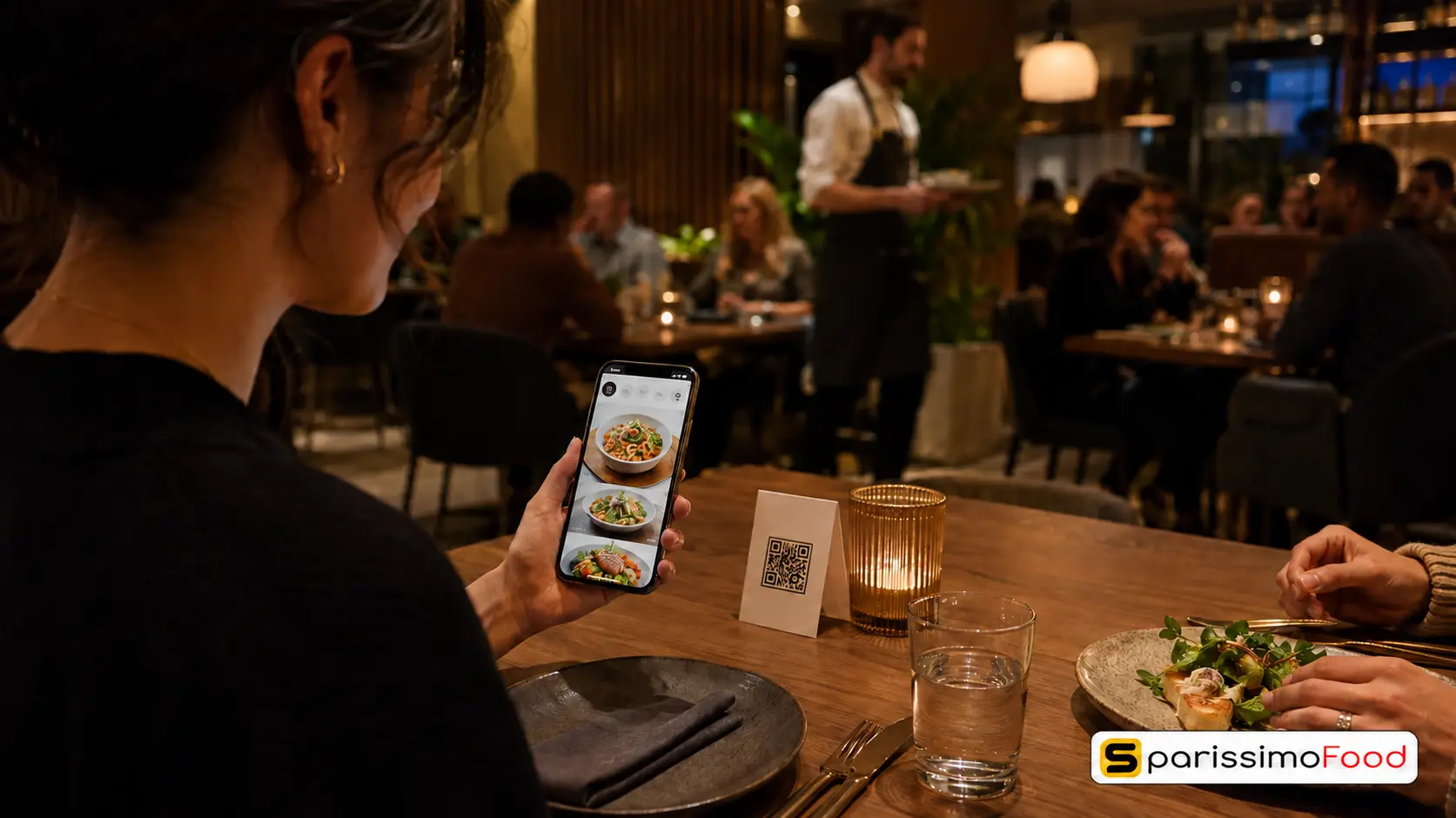
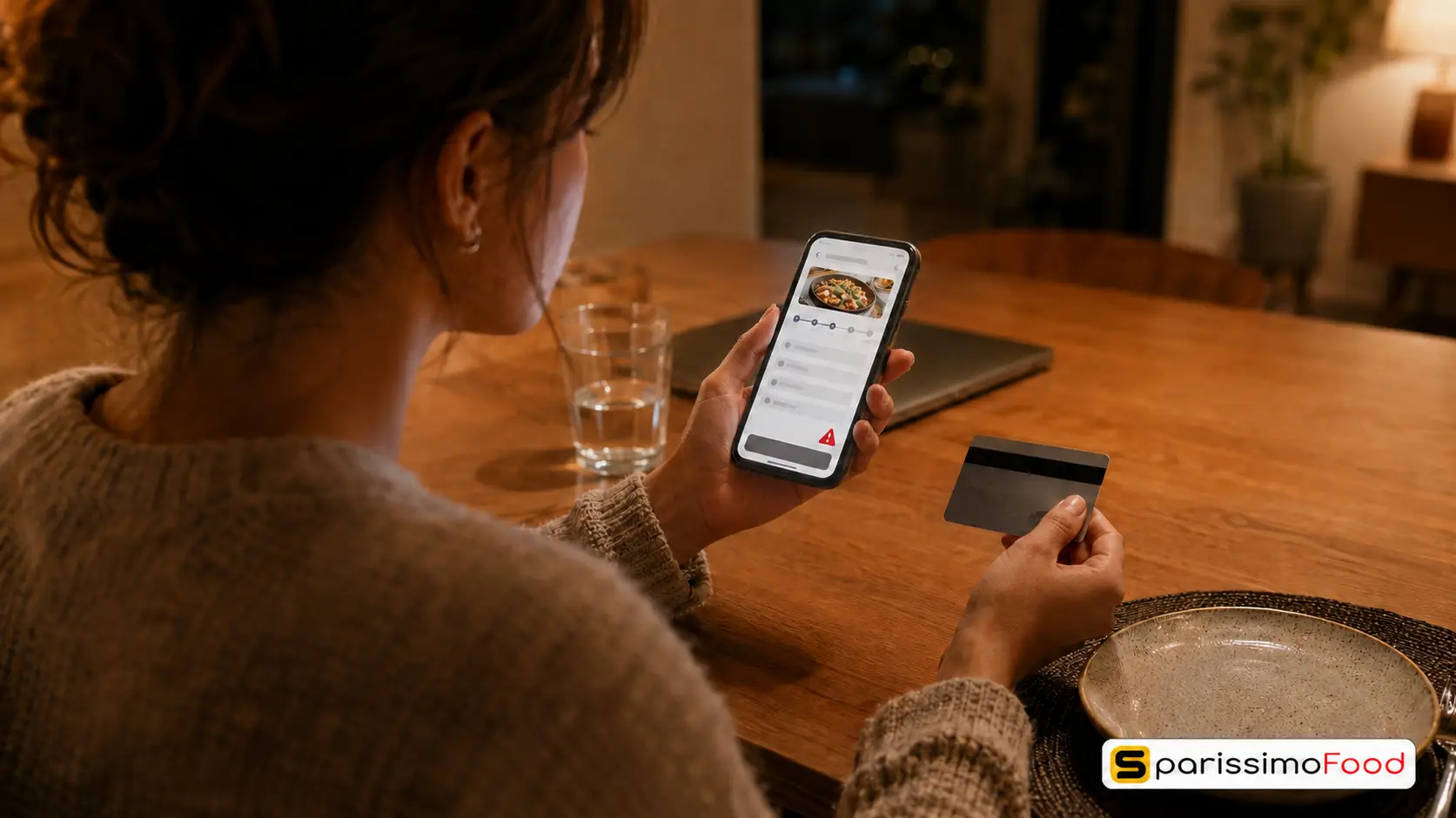
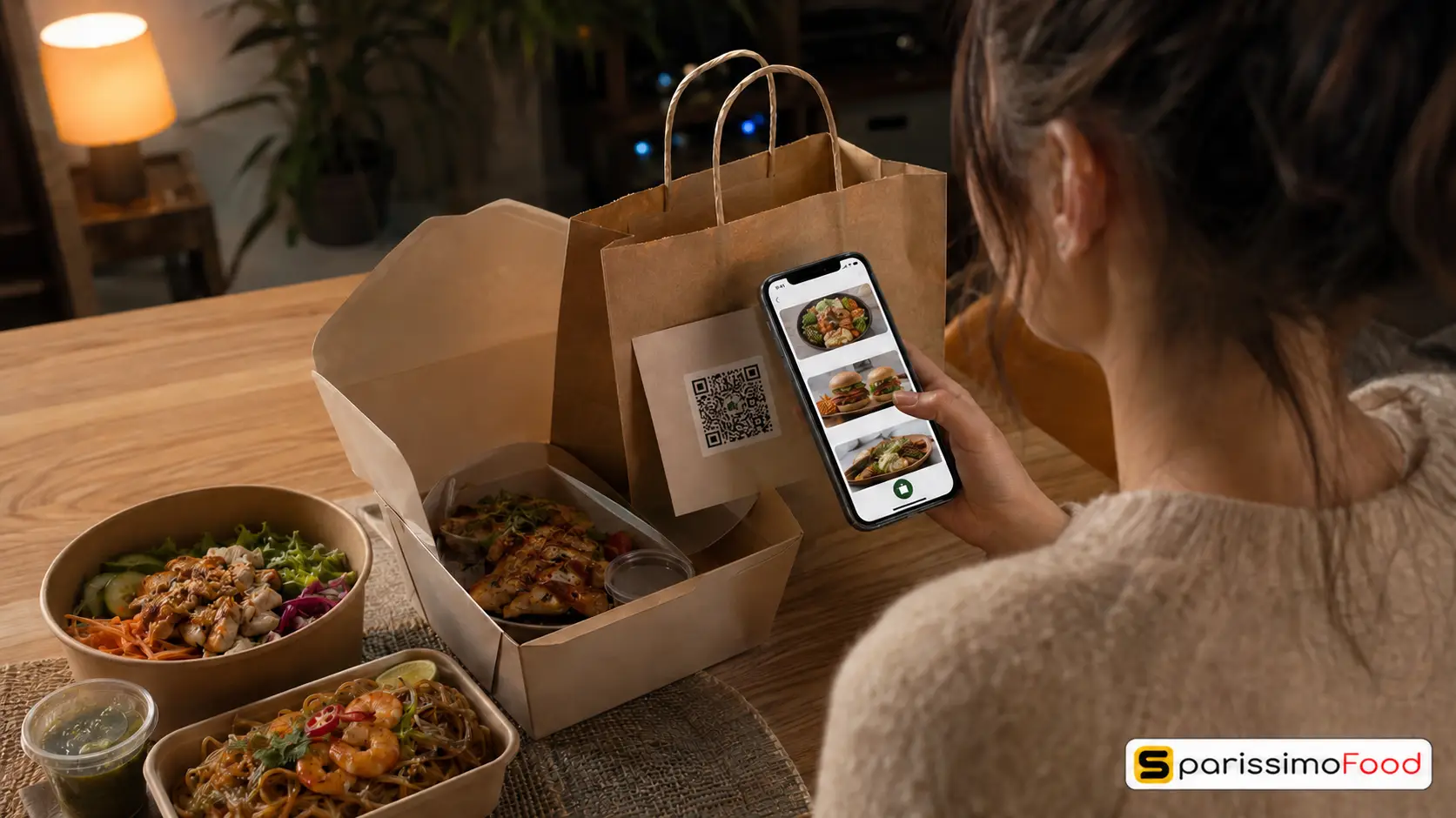
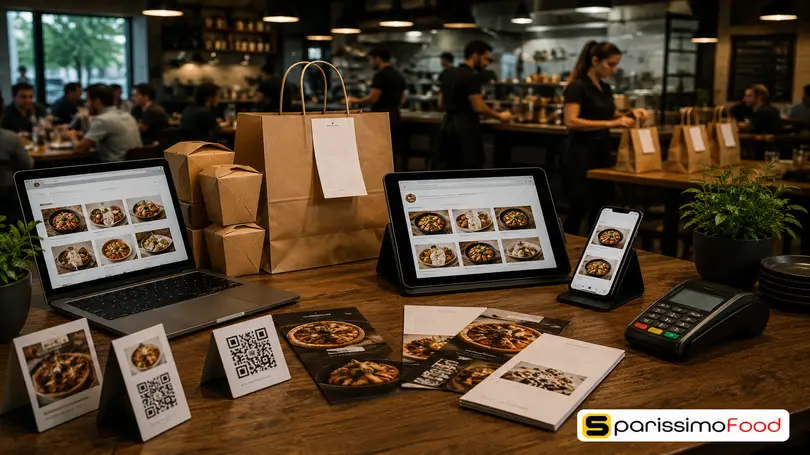
The platform includes a built-in restaurant website builder and a direct online ordering system that integrates with your dine-in and takeaway workflows. By placing QR codes on your tables, guests can view your menu, order, and pay directly using local Swiss payment methods like TWINT, credit cards, and Apple Pay. This reduces order taking errors and checkout payment bottlenecks, protecting the guest experience.
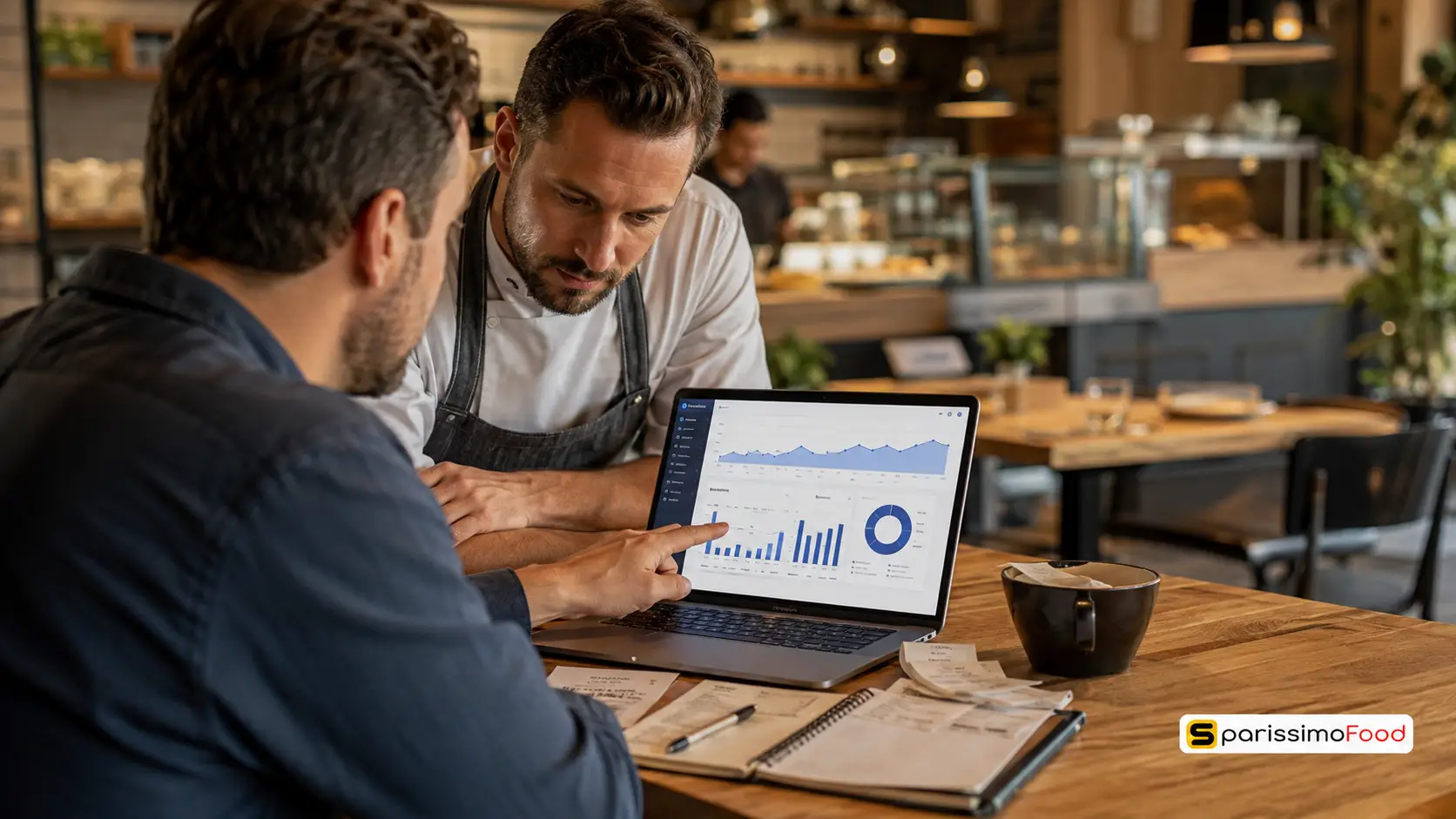
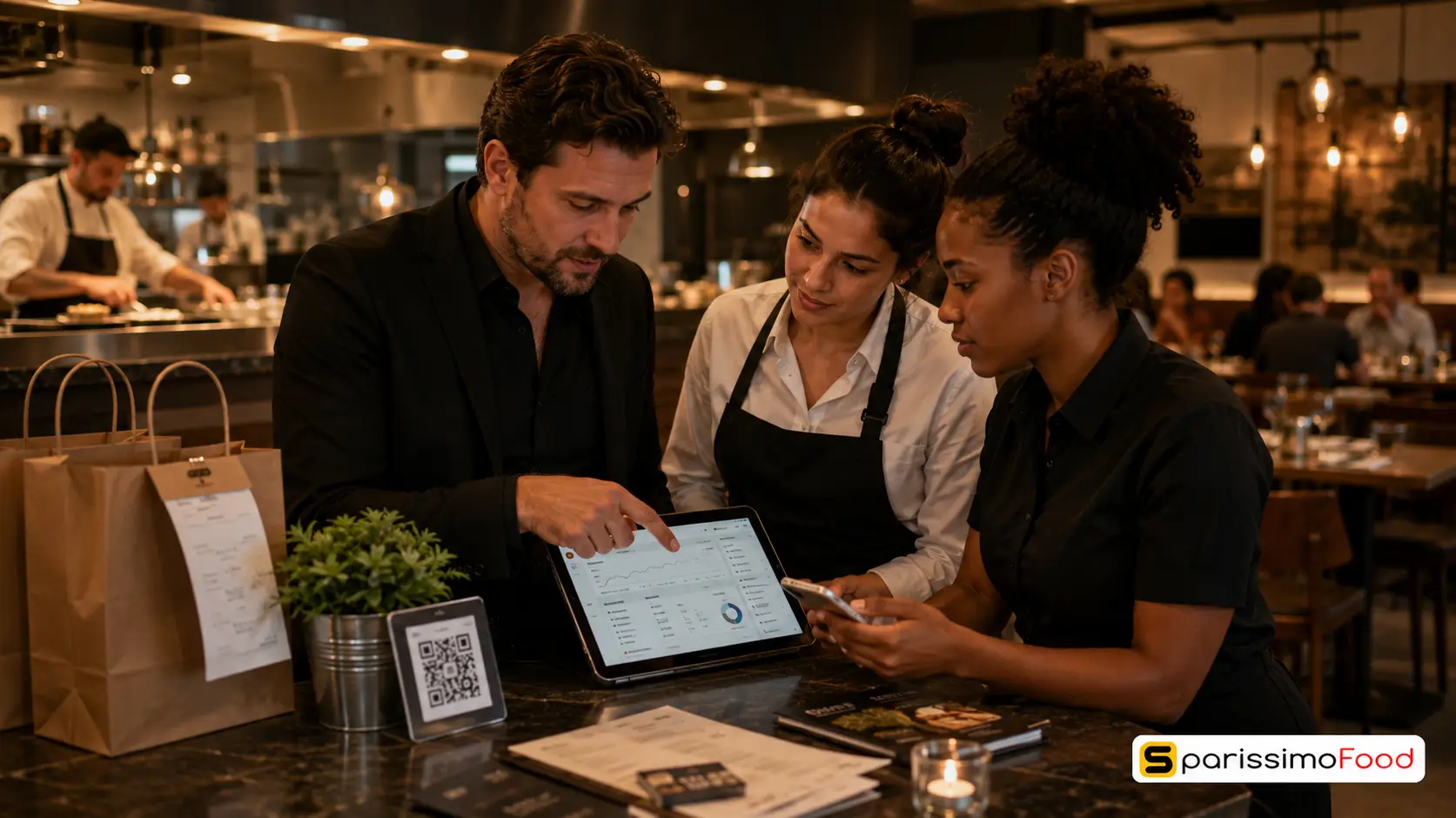
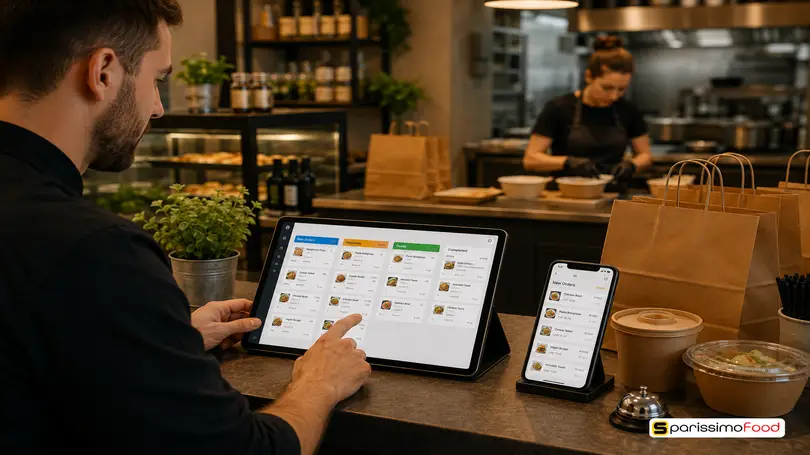
Every direct transaction automatically captures guest email and phone details, saving them securely to a database owned 100% by your restaurant. The manager dashboard tracks guest order histories and repeat-customer trends, helping you run targeted win-back campaigns without paying the higher marketplace commissions associated with third-party delivery platforms. To compare the financial differences, read our analysis of how much Just Eat charges in Switzerland.
Pricing scales with your order volume rather than punishing growth: Starter runs CHF 49 per month with an 8% commission, while both the Business (CHF 79/month) and Professional (CHF 148/month) tiers cut that down to 5% per order. A 14-day free trial lets you measure the retention lift before committing to a plan. To view options and choose the right plan for your location, visit direct online ordering plans.
30-Day Customer Retention Implementation Plan
To systematically build your restaurant’s repeat customer rate, follow this structured 30-day implementation plan:
| Week | Focus Area | Action Items |
|---|---|---|
| Week 1 | Operational Audit | Standardise recipe portions, run service consistency training, and establish a service-recovery checklist. |
| Week 2 | Data Capture Setup | Integrate a DSG-compliant newsletter opt-in checkbox at checkout and place review QR codes on tables. |
| Week 3 | Loyalty Launch | Design a bounce-back voucher with a spend threshold and train staff on suggestive pairing upselling. |
| Week 4 | Segmentation & Campaigns | Group your customer list into active and lapsed segments, and send your first targeted win-back campaign. |
Frequently Asked Questions
How do I calculate customer retention rate for my restaurant? To calculate customer retention rate over a specific period, count the number of active guests at the end of the period, subtract any new guests acquired during that time, and divide the result by the number of active guests at the start of the period. Multiply by 100 to get the percentage. Alternatively, track your second-order rate: the percentage of new customers in a given month who return within 30 days.
Are restaurant loyalty cards still effective for driving repeat visits? Yes, but paper cards are less useful than digital loyalty programs. Paper cards are easily lost and provide no data. Digital loyalty programs allow you to track purchasing habits, prevent fraud, and send personalized automated reminders to guests when they have not visited for a set number of weeks.
How does speed of service affect repeat customer loyalty? Speed of service is a critical loyalty driver, particularly during weekday lunch hours. If guests experience delays in ordering or paying their bill, they are unlikely to return for lunch, even if the food was excellent, because they cannot afford to risk being late back to work.
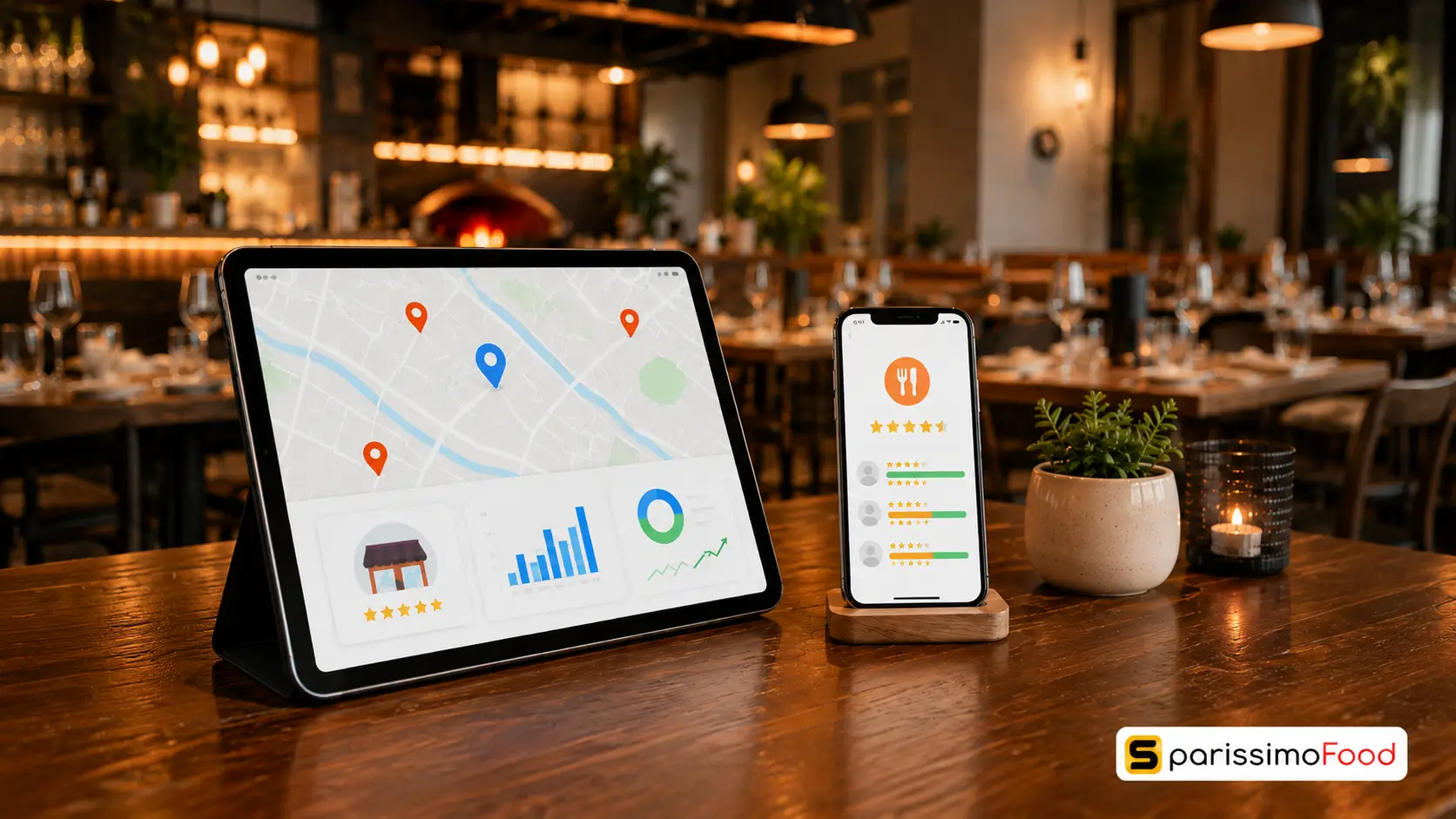
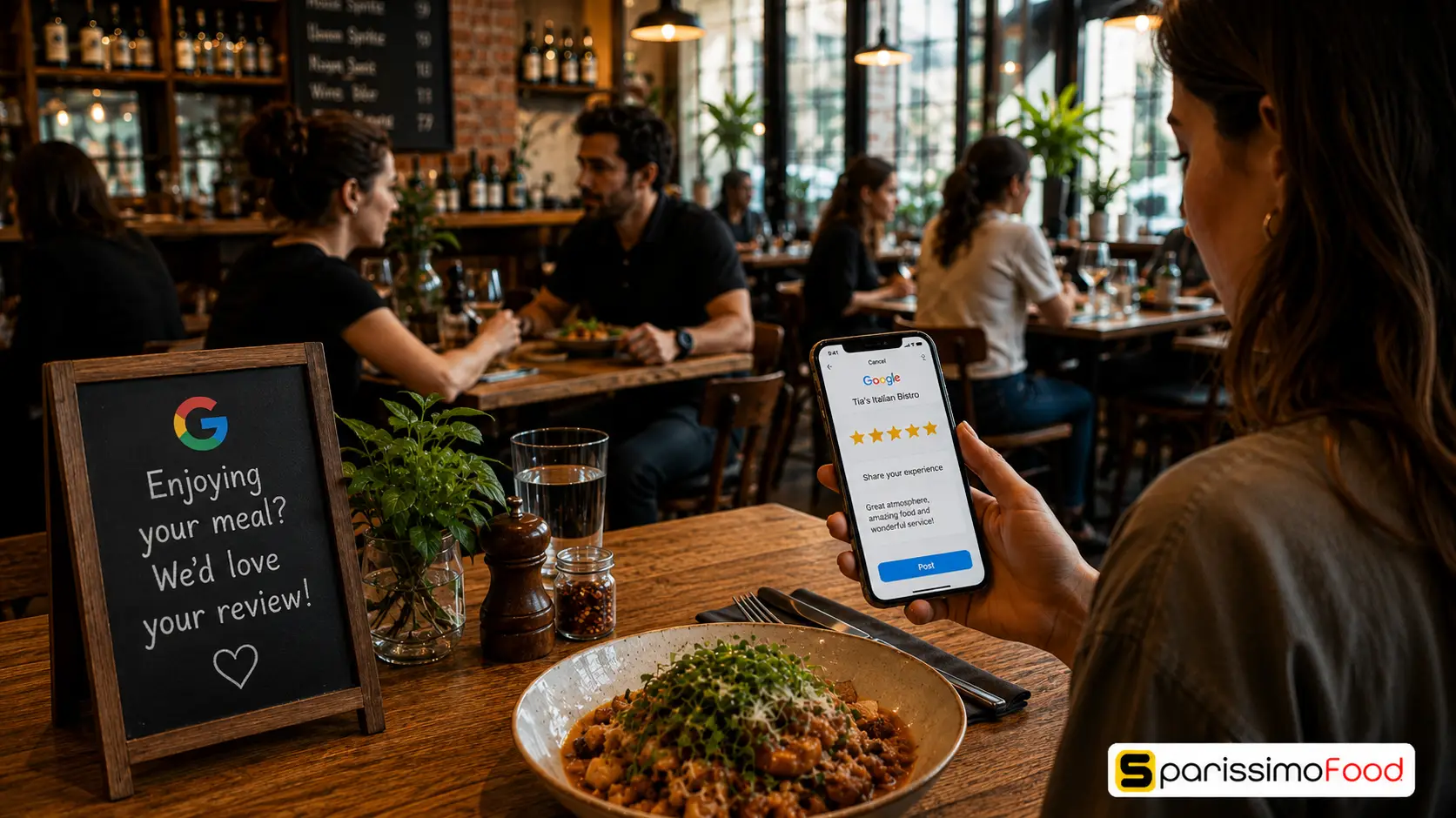
What is the best way to ask customers for Google reviews? Ask all customers consistently to leave an honest review, regardless of whether their feedback is expected to be positive or negative. Do not gate reviews by only sending links to happy guests. Place direct review link QR codes on your menu cards or receipt folders to make feedback easy. For more advice, read our guide on how to get Google reviews for your restaurant.
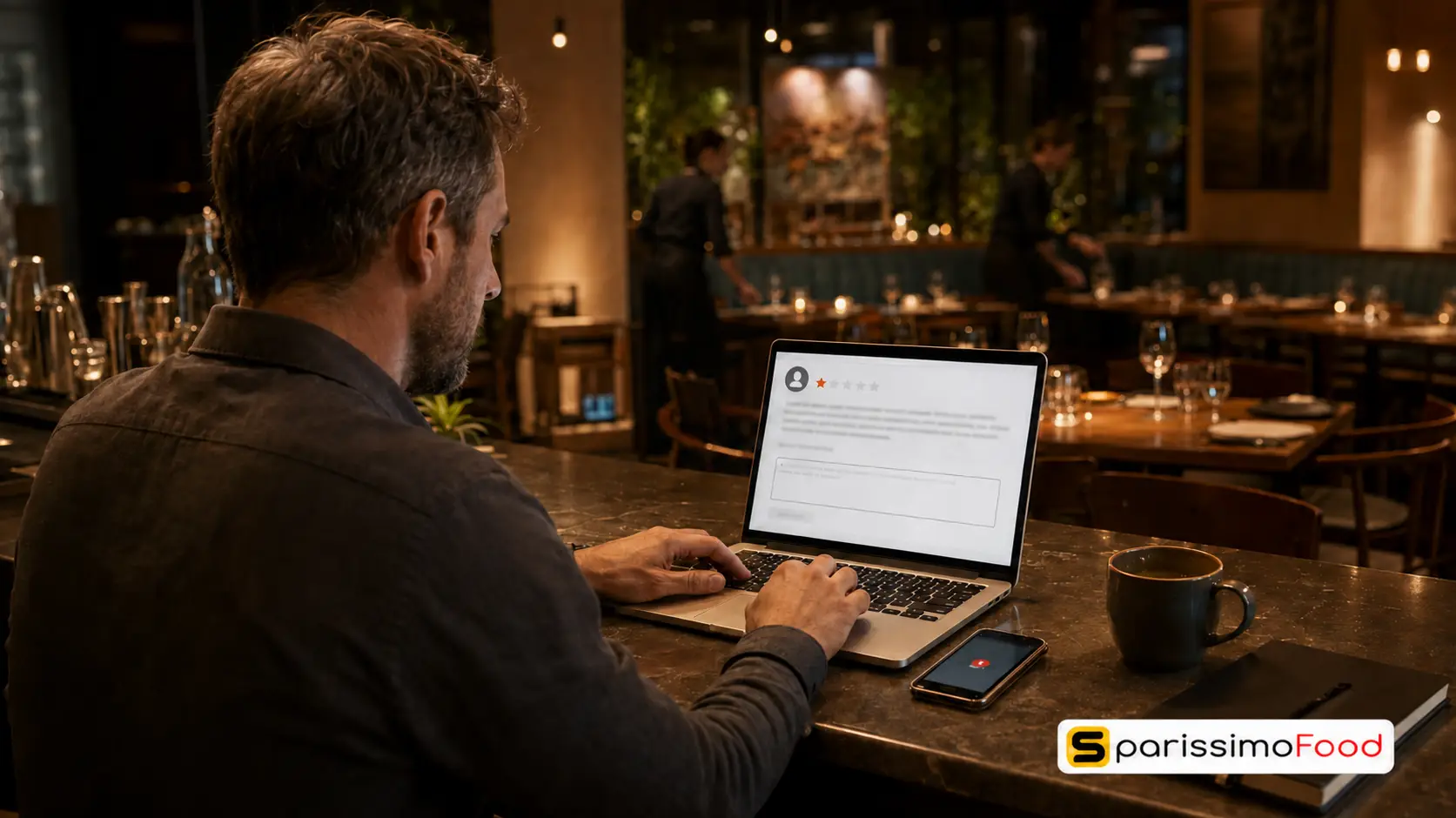
How do I handle a negative review from a regular customer? Respond professionally to all feedback within two working days. Acknowledge their disappointment, explain how you will correct the issue, and invite them to contact you directly to resolve the matter. A well-handled complaint often strengthens customer relationships and encourages future visits.
Fostering the guests you already have is the most profitable path to a busy dining room.
.Ds4FHhSq_ZxC9WE.webp "Restaurant Upselling Techniques That Don't Feel Pushy")
.CXCr6fQt_Z11gsYh.webp "Build a Branded Restaurant App Without Developers")
.y09Xtv8Z_1gH6f6.webp "Set Up Restaurant Online Ordering in Under a Week")
.B-Rl4IDw_Z204OoN.webp "Restaurant Loss Prevention and Theft Guide")
.DPpk5JZR_AlrVy.webp "Restaurant Communication During Peak Hours | Guide 2026")
.B6eEizW1_Z2bHQYl.webp "Restaurant Menu Pricing Strategies That Actually Protect Your Margins in 2026")
.CRszlDy5_2neUXu.webp "How to Migrate from GloriaFood Without Disruption: A Technical Step-by-Step Guide")
.kT6N2QP-_1Tp2j1.webp "GloriaFood Is Shutting Down on April 30, 2027 — What Every Restaurant Owner Needs to Do Now")