
Restaurant Upselling Techniques That Don't Feel Pushy
.Ds4FHhSq_1FOGCS.webp "Restaurant Upselling Techniques That Don't Feel Pushy")

Quick Answer: Structured suggestion-selling lifts average check size by roughly 10 to 18 percent when a server makes a specific, opinion-based recommendation instead of a scripted question, and digital checkout prompts through online or QR ordering typically add a further 10 to 20 percent with no server involved at all. The technique that fails, “would you like fries with that” or “can I interest you in a dessert”, fails because guests recognise a script and their instinct is to protect their choice by saying no, a pattern behavioural researchers call psychological reactance. What works instead is specific language tied to a reason, timed to the right moment, and a digital ordering flow that suggests relevant add-ons without anyone asking out loud. In Switzerland, where service has been legally included in the bill since 1974 and staff are not chasing a tip percentage the way many servers abroad are, training has to be built around a different incentive than sell more, earn more.
A server who asks “can I get you an appetizer” hears no most of the time, then quietly stops trying because the rejection stings. That single scripted question is why so many owners dismiss restaurant upselling techniques as something that works in theory and annoys guests in practice, when the real problem sits in the question itself, not the idea behind it.
This guide covers what actually changes a guest’s mind at the table and at checkout, the Swiss-specific reason staff incentives need to work differently here, and a formula to work out what upselling is worth to your own restaurant before you train a single server.
Why Most Restaurant Upselling Techniques Backfire
Guests are not rejecting the extra item. They are rejecting the feeling of being handled, and that reaction has a name.
Psychological reactance is the tendency to resist a suggestion specifically because it feels like an attempt to restrict a choice, and it fires hardest when the suggestion is generic and clearly scripted. “Would you like fries with that” is recognisable the moment it starts, because thousands of other transactions have used the identical phrase, and the guest’s brain treats it as a script to decline rather than a recommendation to weigh.
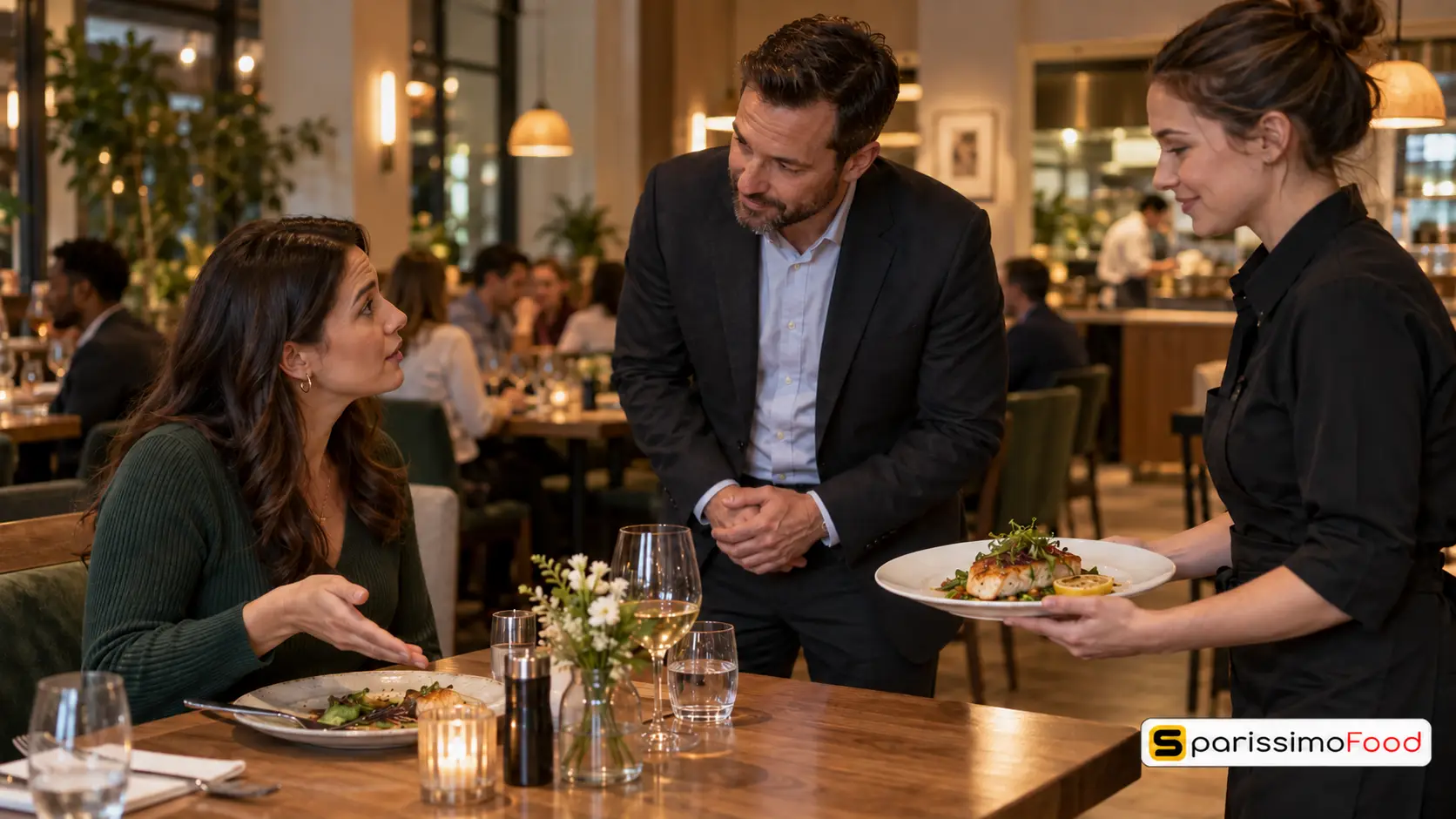
Research on upsell framing from the University of St. Gallen found that how a suggestion is worded changes its persuasiveness more than what is being suggested, and that guests only respond to a reframed offer when they feel personally responsible for the final decision. A generic question removes that sense of ownership. A specific recommendation, “the halibut came in this morning and it’s excellent,” restores it, because the guest is now weighing an opinion rather than declining a pitch.
The fix is not more suggestions. It’s fewer, better ones, said with a reason attached, at a moment the guest is actually receptive to hearing it. Everything in the next two sections builds on that one distinction.
Upselling vs Cross-Selling in a Restaurant: What’s Actually Different
Upselling and cross-selling get used interchangeably in most restaurant advice, but they solve different problems, and the confusion costs restaurants opportunities in both directions.
Upselling means moving a guest toward a higher-value version of what they already chose: a large instead of a medium, a reserve wine instead of the house pour, a premium protein instead of the standard one. Cross-selling means adding something from a different category entirely: a side with a main course, a drink with a starter, a dessert after the plates are cleared. Both raise the check. Only one changes what the guest originally ordered.
The distinction matters for training because the two need different language. Upselling works on comparison: “the ribeye is a size up from what you were looking at, and it’s the better cut for two people to share.” Cross-selling works on completion: “the truffle fries are the thing people always wish they’d ordered with that burger.” Mixing the two, offering a comparison when the guest needs a completion suggestion, is one of the most common reasons a technically correct recommendation still falls flat.
Server-Based Restaurant Upselling Techniques That Don’t Feel Pushy
Three things separate a recommendation that lands from a script that gets an automatic no: what the server actually says, when they say it, and whether they let a no be a no.
Say What You’d Order, Not What’s Available
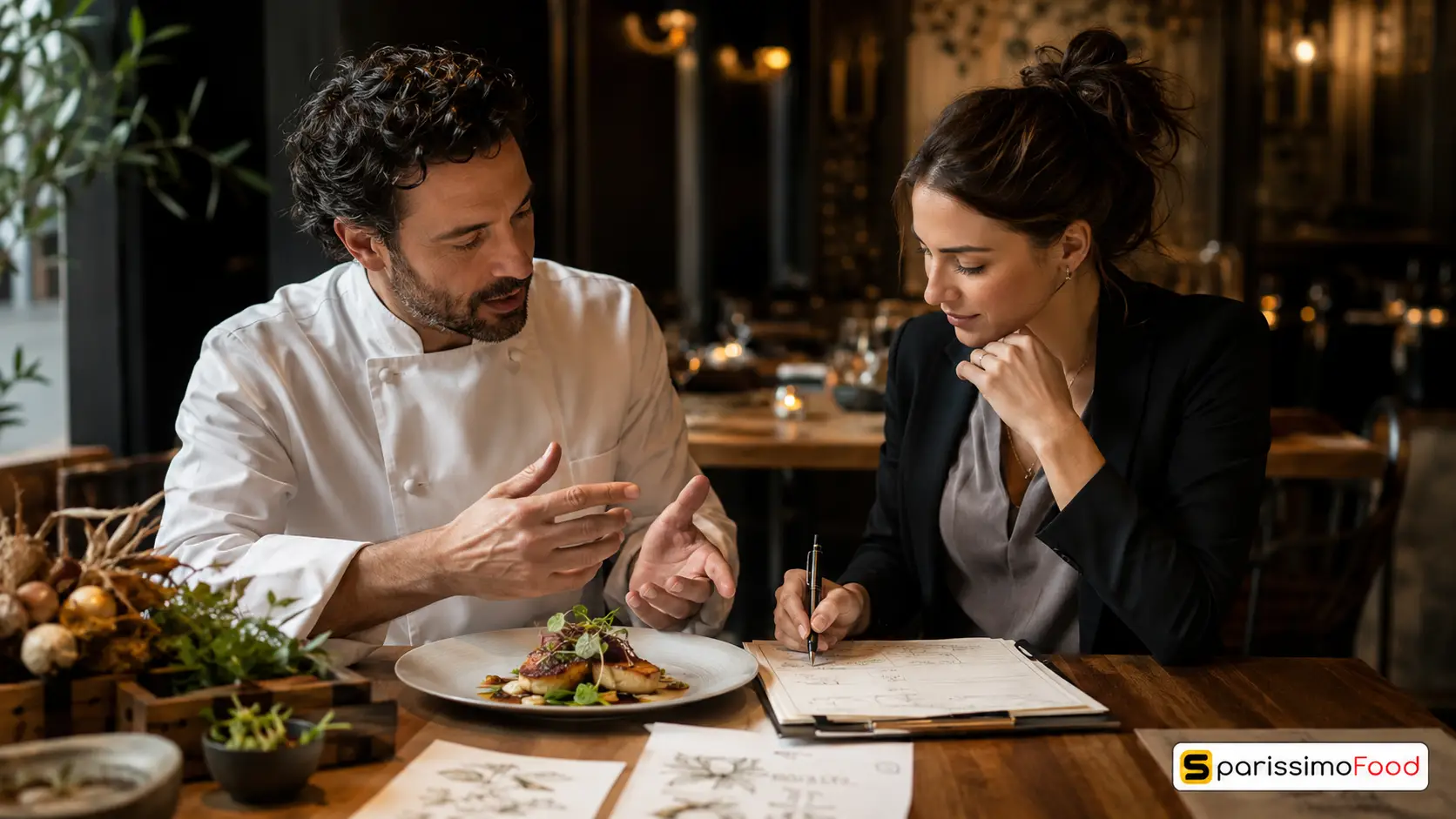
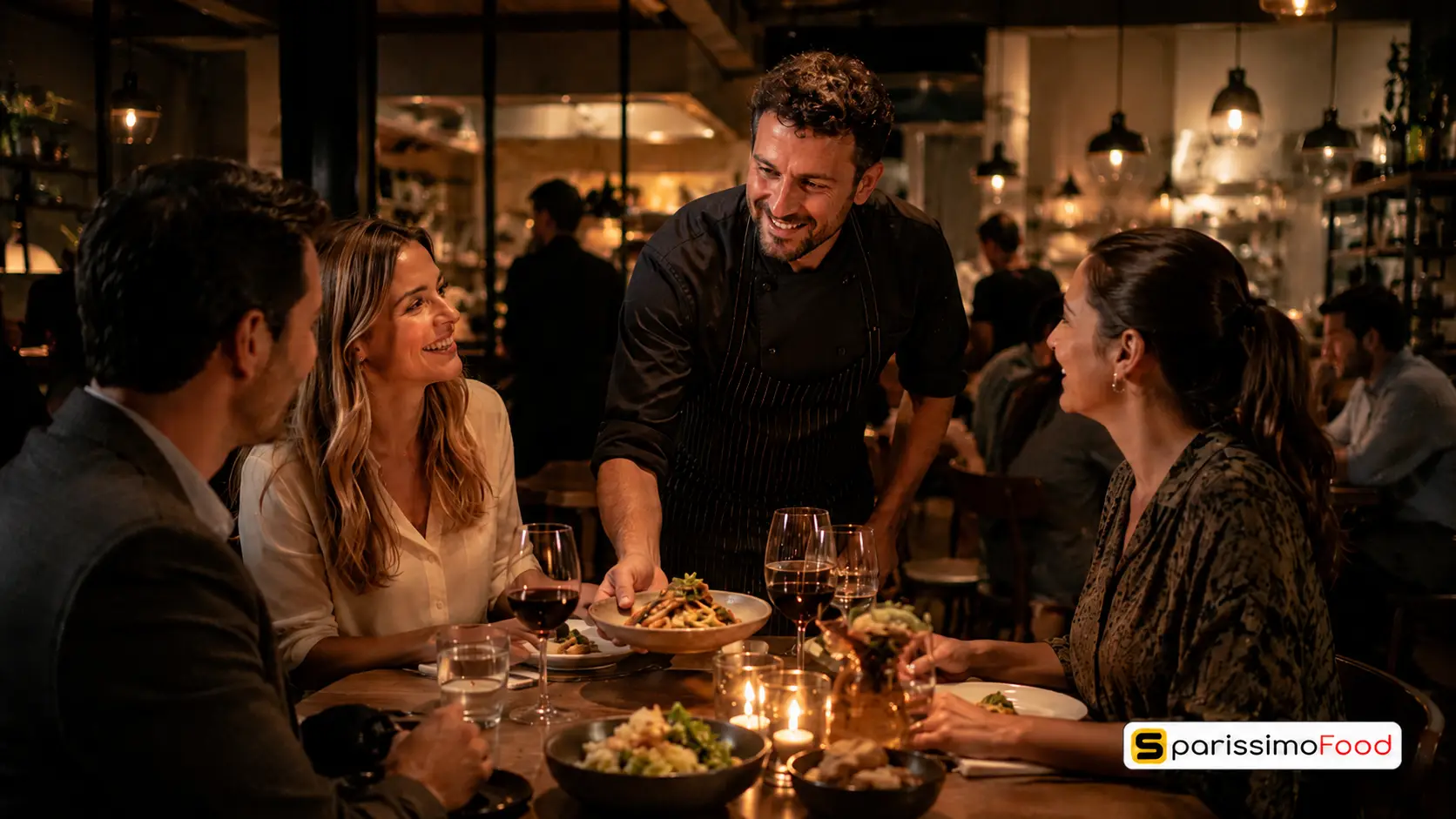
The single highest-leverage change is replacing a closed question with a specific opinion. “Can I interest you in a starter” invites a yes or no and usually gets a no. “The burrata’s really good tonight, we just got it in” invites a guest to consider an actual dish, described by someone who has apparently tasted it. The second version doesn’t sound like selling because it isn’t structured like selling. It’s structured like a recommendation from a person, which is what it needs to be to work.
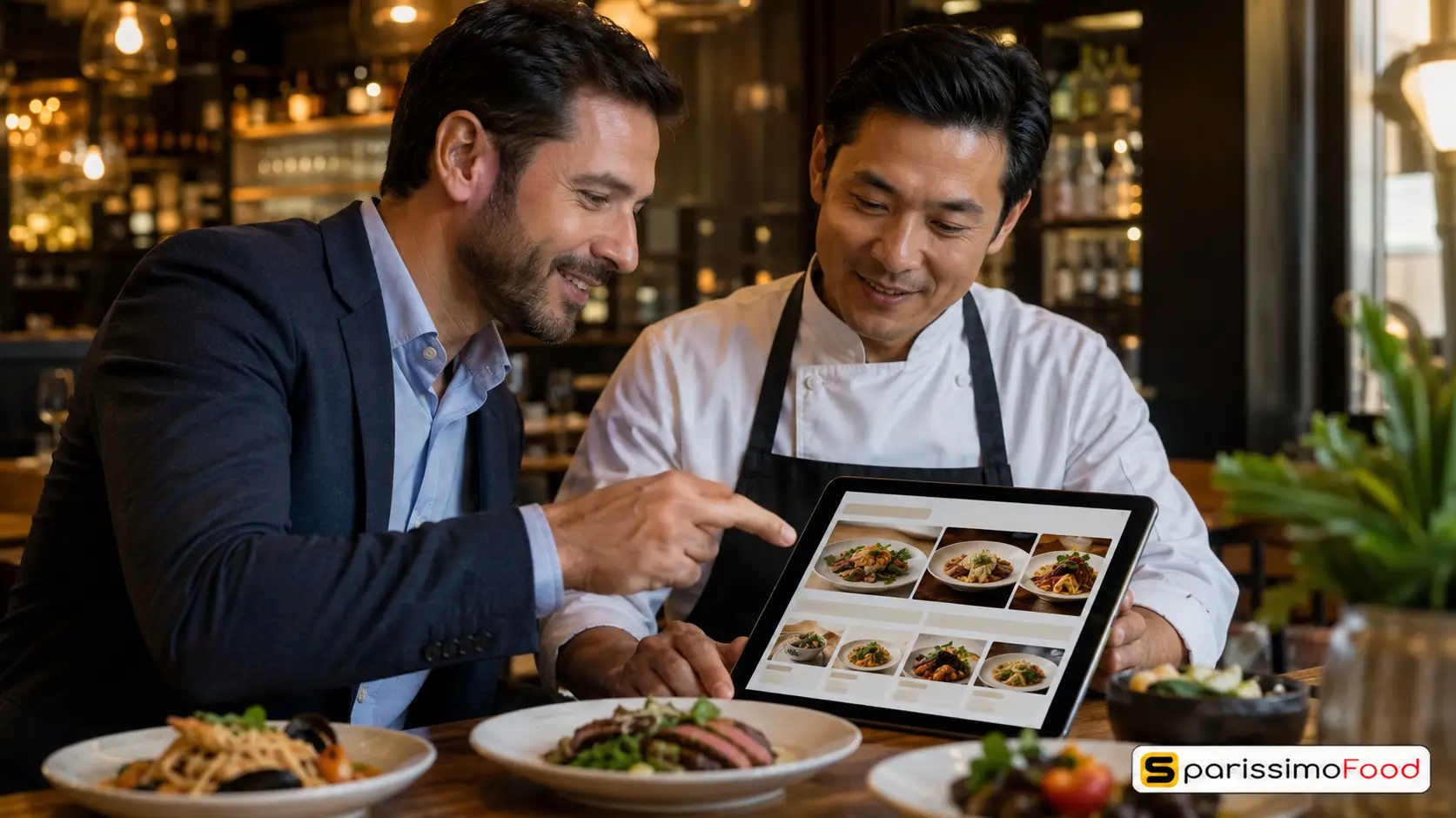
This only holds up if the server has actually tasted the item. A short staff tasting before service, walking through two or three dishes the kitchen wants to move, gives every server something true to say instead of a line to recite.
Time the Suggestion to the Moment, Not the Script
A drink suggestion works at greeting. An appetizer suggestion works right after the drink order, while the table is still deciding on mains. A dessert suggestion made before the plates are cleared competes with a guest who is still eating and gets an automatic no. The same words at the wrong moment produce a different result, which is why timing gets less attention than wording and probably deserves more.
One rule does more work than any script: one recommendation per course, and a clean no ends that conversation. A server who pivots to a second suggestion after a guest declines the first is the fastest way to turn attentive into annoying, and guests notice the difference immediately.
Why Swiss Service Culture Changes How You Train For This
Most upselling training assumes a server who earns more in tips when the check is higher, and builds the entire incentive structure on that assumption. That assumption doesn’t hold in Switzerland.
Service has been legally included in restaurant prices here since 1974, and tipping remains entirely voluntary. A 2025 study by Bank Cler and the ZHAW School of Management and Law found that more than 60 percent of guests still tip in table-service restaurants, and that Swiss diners give away roughly CHF 1 billion in voluntary tips a year. That money is a gesture of appreciation on top of a wage that doesn’t depend on it, not the direct commission structure that drives US-style sales training.
That changes what motivates a Swiss server to bother upselling at all. A script built around “sell more, keep more of the tip” has nothing to attach to here, which is exactly why the language-and-timing approach above works better than an incentive-based program: it makes the recommendation genuinely easier and more natural to give, rather than trying to manufacture a financial reason a Swiss server doesn’t structurally have.
Where an incentive still helps is recognition rather than commission: tracking average order value per server through the manager dashboard and calling out whoever is doing it well, a small non-monetary prize for the week’s top performer, or simply feeding back the number so servers can see their own progress. The goal is confidence and habit, not a chase for a tip percentage that doesn’t exist the same way here.
Digital Restaurant Upselling Techniques for Online and QR Ordering
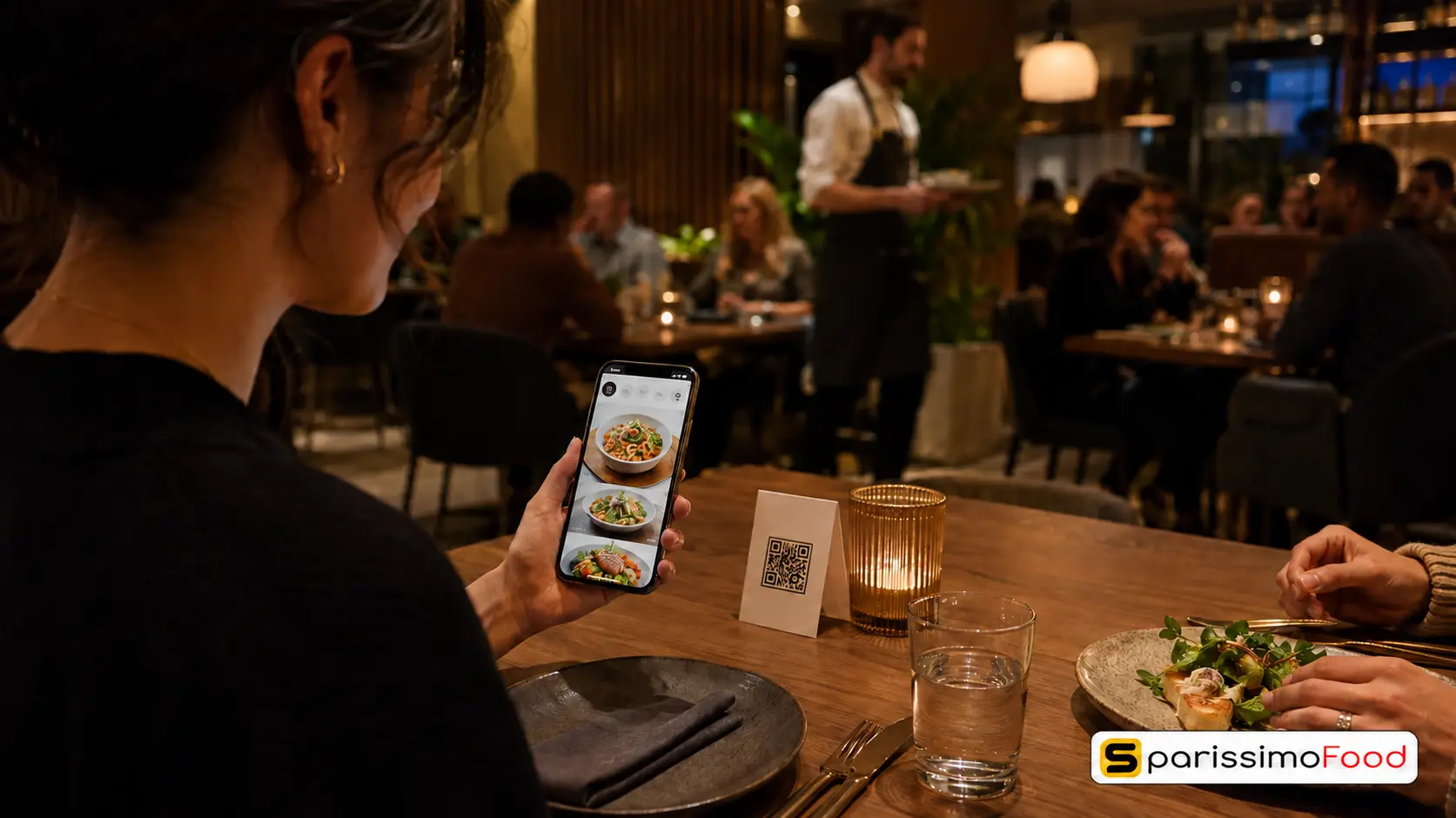
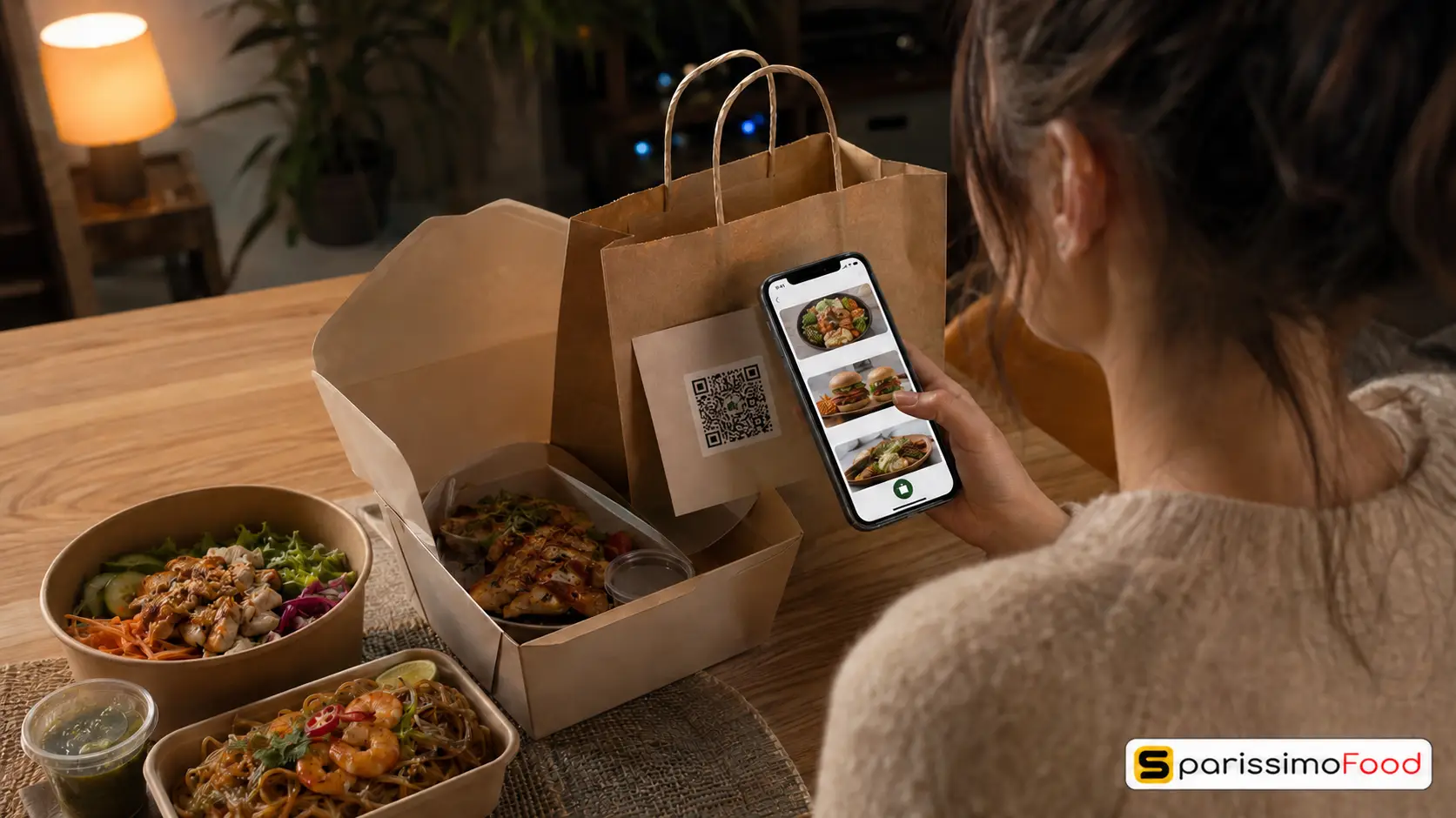
A QR code order or an online order removes the interpersonal pressure entirely, since no one asks out loud, which makes it the easiest upselling channel to get right and the easiest to get wrong by cluttering the checkout screen.
The placement that works is a short, relevant suggestion tied to what’s already in the cart, a specific drink or side, not a generic list of everything on the menu, and it works best once the underlying menu is already organised the way our guide to restaurant menu pricing strategies covers, so the items being suggested are the ones actually worth suggesting. Nation’s Restaurant News reported that Sizzler set a goal of lifting its average ticket by 10 to 12 percent through a self-order kiosk pilot built entirely around this kind of prompt, and separately found that guests using an interactive ordering screen at Hooters stayed roughly 40 minutes longer and spent about 19 percent more than guests who didn’t.
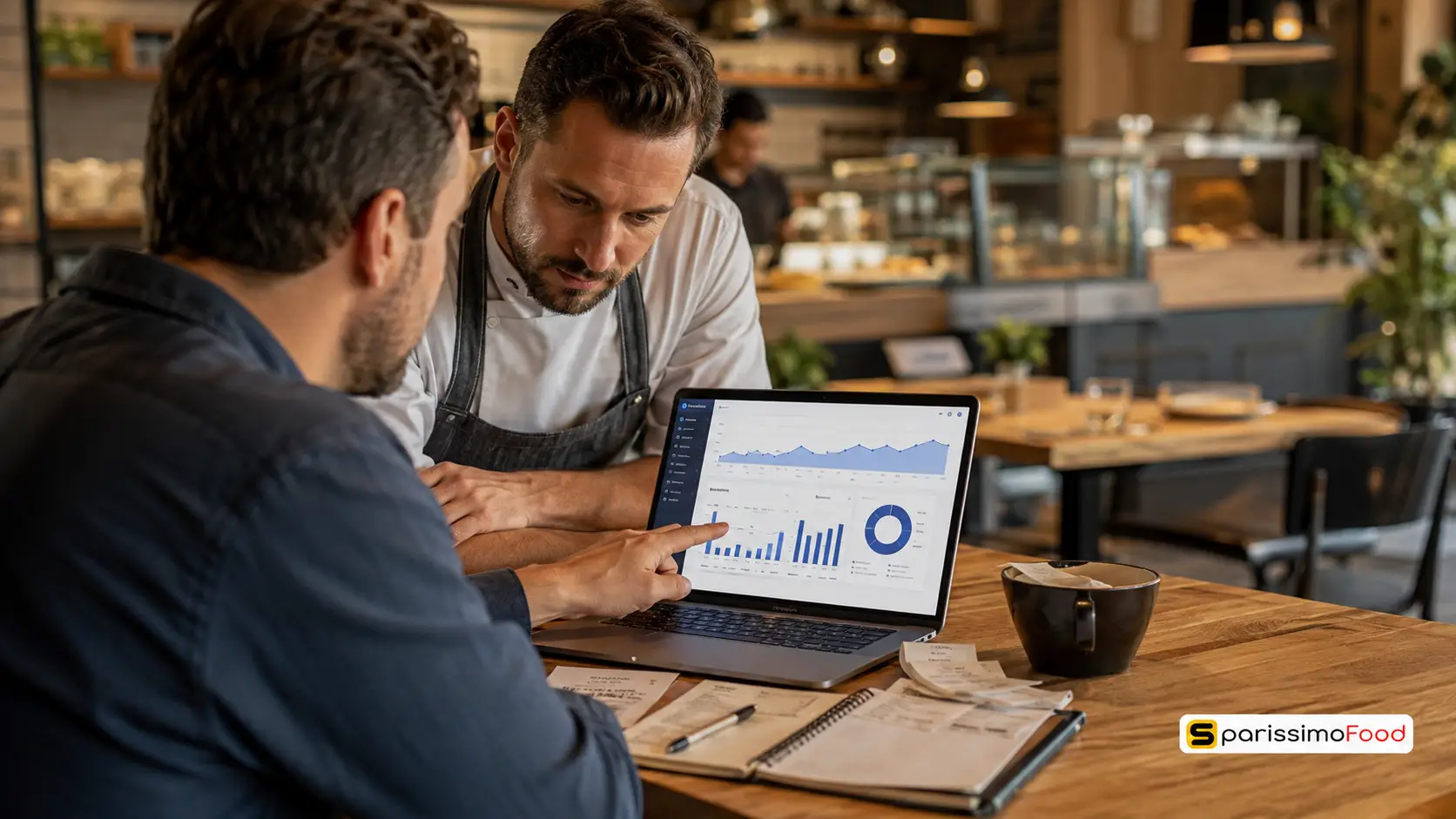
Industry data on structured digital upsell prompts generally puts the average order value lift at 10 to 20 percent, which tracks closely with what well-run server programs achieve, but arrives with zero added labour cost and no risk of a guest feeling pressured by a person, since the prompt is identical for every guest and never gets pushy from repetition or a bad night.
The failure mode is the same one that hurts a checkout page anywhere: too many prompts competing for attention right when a guest is trying to finish. As our guide to why customers abandon restaurant checkout covers in more detail, one relevant add-on suggestion at the right point in the flow outperforms three generic ones, for the same reason a server’s single well-timed recommendation beats a server working through the whole menu looking for a yes.
What Upselling Is Actually Worth: The Formula and Two Examples
Most restaurants that try these restaurant upselling techniques never calculate what it’s actually adding, which makes it easy to abandon after a slow week that had nothing to do with the technique.
Additional Monthly Revenue from Upselling = Orders per Month × Average Upsell Value per Order × Acceptance Rate
Here’s what that looks like for a dine-in bistro with an average check of CHF 38, 60 covers a night, six nights a week: 1,560 covers a month. If structured server suggestions add CHF 4 to the average check, roughly in the middle of the 10 to 18 percent range above, and land on about half of covers, that’s 1,560 × CHF 4 × 0.5, or CHF 3,120 in additional monthly revenue, without adding a single new guest.
For a restaurant running online and QR ordering at CHF 28 average order value and 500 orders a month, a checkout suggestion with a 12 percent acceptance rate and a CHF 6 add-on value works out to 500 × CHF 6 × 0.12, or CHF 360 a month from that one prompt alone. It looks smaller than the dine-in number because digital ordering usually starts from a smaller order count, but it scales without any extra staff time as order volume grows, which the dine-in number doesn’t. Either number compounds further with repeat visits: as our piece on whether restaurant loyalty programs actually work covers, a guest who comes back more often is spending more twice over, once from the higher check and once from the extra frequency.
How SparissimoFood Helps With Restaurant Upselling
Both halves of this guide to restaurant upselling techniques, the server-facing language and the digital checkout prompt, need a place to actually live, and for most Swiss restaurants that place is increasingly the online and QR ordering flow rather than a printed menu.
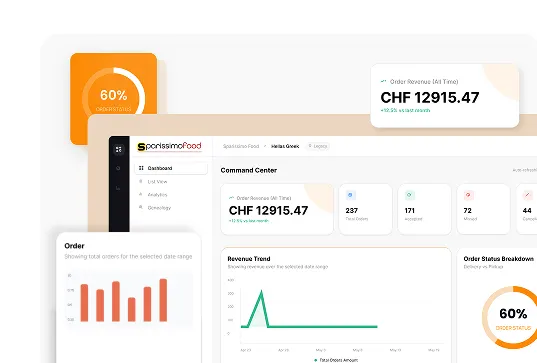
SparissimoFood’s menu builder lets a restaurant place a specific add-on suggestion right where a guest is already deciding, a side with a main, a drink with a starter, without needing a developer to change anything on the ordering page. Every order placed through the platform, whether at a table via QR code or through the restaurant’s own online ordering page, feeds into the manager dashboard, so an owner can see average order value by channel and by day, not guess at whether a change to the menu actually moved the number.
Pricing follows the same predictable structure as the rest of the platform rather than a separate add-on fee: Starter at CHF 49 a month plus 8 percent commission, Business at CHF 79 a month plus 5 percent, and Professional at CHF 148 a month, also at 5 percent. None of that is commission-free, but it does mean the extra revenue from a better checkout suggestion isn’t being tracked in a system separate from the orders that generated it.
The 14-day free trial requires no credit card, which is enough time to place one or two upsell prompts on a live menu and see whether the average order value actually moves before committing to anything.
Frequently Asked Questions
What’s the difference between upselling and cross-selling in a restaurant?
Upselling moves a guest toward a higher-value version of what they already chose, a large instead of a regular, a premium cut instead of the standard one. Cross-selling adds something from a different category entirely, a side with a main course or a drink with a starter. Both increase the average check, but they need different language: upselling works on comparison, cross-selling works on completion.
How much can restaurant upselling techniques actually increase revenue?
Structured server suggestion-selling typically lifts average check size by 10 to 18 percent, and digital checkout prompts through online or QR ordering add a further 10 to 20 percent with no added labour cost. On a restaurant with a CHF 38 average check and 1,560 covers a month, a CHF 4 increase landing on half of covers works out to roughly CHF 3,120 in additional monthly revenue.
What upselling phrases should restaurant servers avoid?
Avoid closed, generic questions like “can I interest you in an appetizer” or “would you like fries with that,” since guests recognise the script instantly and the default answer is no. Replace them with a specific, opinion-based recommendation tied to a reason, such as naming a dish the server has actually tasted and explaining why it’s worth ordering. The difference is between asking permission and offering an informed opinion.
Does upselling work for online and QR ordering, not just servers taking the order in person?
Yes, and it removes the interpersonal pressure entirely since no one has to ask out loud. A relevant, specific suggestion tied to what’s already in the cart, rather than a generic list of add-ons, typically lifts average order value by 10 to 20 percent. The main risk is cluttering the checkout with too many prompts, which increases abandonment instead of the order value.
How do you train restaurant staff to upsell without sounding scripted?
Give staff something true to say by running a short tasting of two or three dishes the kitchen wants to move before service, so recommendations come from actual experience rather than a memorised line. Pair that with a one-suggestion-per-course rule: a server makes one specific recommendation, and a clean no ends that conversation rather than triggering a second attempt. In Switzerland, where service is already included in the bill, tracking average order value per server and giving recognition works better as motivation than trying to build a tip-based incentive that doesn’t structurally exist here.
The guests who feel upsold to remember being sold to, but the ones who get a specific, honest recommendation at the right moment usually just remember eating well.
.CXCr6fQt_Z11gsYh.webp "Build a Branded Restaurant App Without Developers")
.y09Xtv8Z_1gH6f6.webp "Set Up Restaurant Online Ordering in Under a Week")
.B-Rl4IDw_Z204OoN.webp "Restaurant Loss Prevention and Theft Guide")
.DPpk5JZR_AlrVy.webp "Restaurant Communication During Peak Hours | Guide 2026")
.B6eEizW1_Z2bHQYl.webp "Restaurant Menu Pricing Strategies That Actually Protect Your Margins in 2026")
.CRszlDy5_2neUXu.webp "How to Migrate from GloriaFood Without Disruption: A Technical Step-by-Step Guide")
.kT6N2QP-_1Tp2j1.webp "GloriaFood Is Shutting Down on April 30, 2027 — What Every Restaurant Owner Needs to Do Now")