
SMS Marketing vs Email Marketing for Restaurants
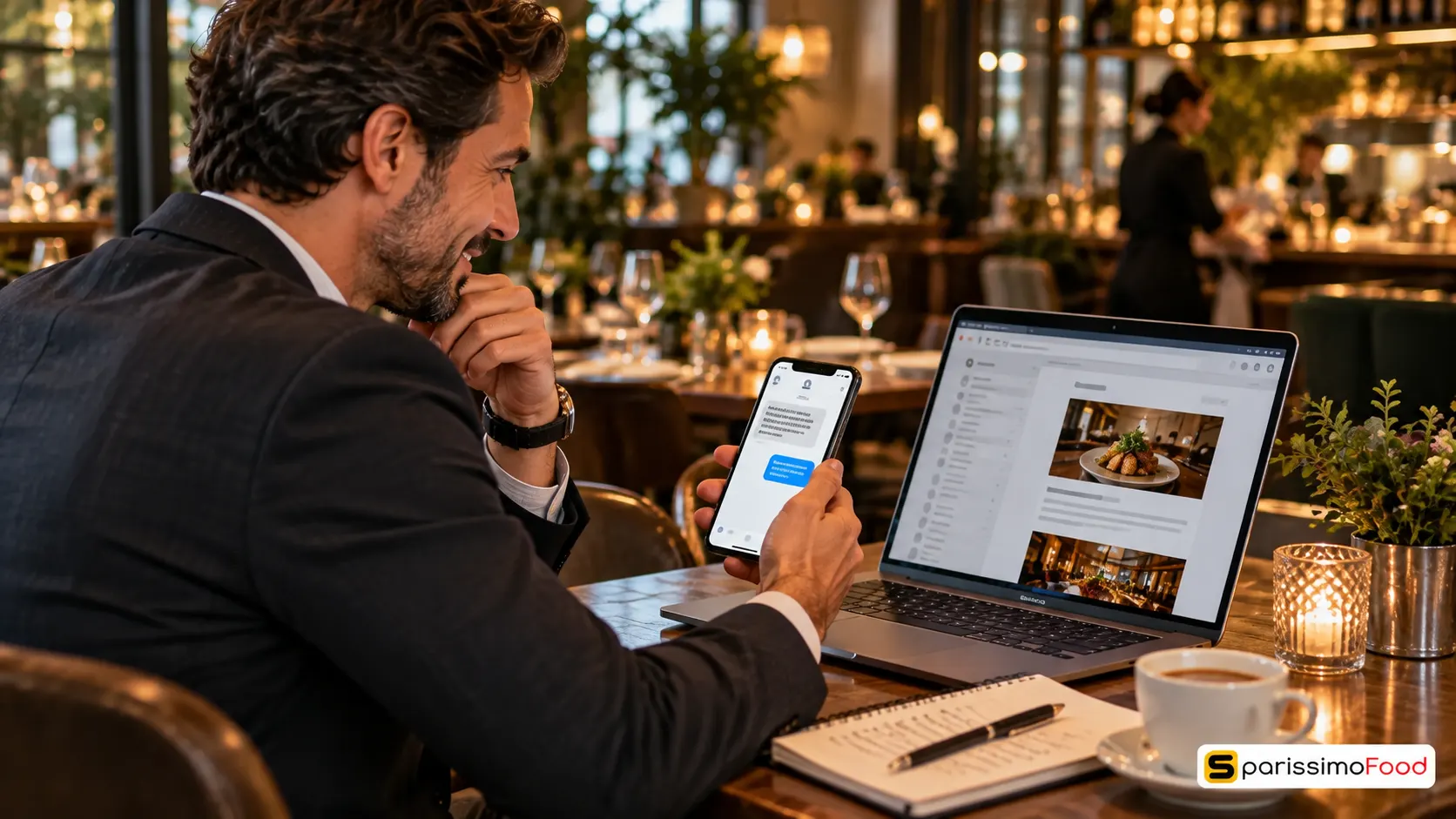

Quick Answer: In SMS marketing vs email marketing for restaurants, the message decides the channel. SMS wins when a message is urgent, such as filling a quiet Tuesday or reminding a guest of a booking, because texts are usually read within minutes. Email wins when a message needs space or a photo, such as a seasonal menu or a loyalty update, and it costs almost nothing to send. Swiss law treats both channels the same: the Federal Act Against Unfair Competition requires explicit opt-in consent for mass advertising by email and SMS. Most restaurants get the best results by using SMS for time-sensitive offers and email for everything else, on a contact list built from direct orders.
A restaurant with 1,000 guest contacts pays roughly CHF 150 to text all of them once, and close to nothing to email them. That price gap is why SMS marketing vs email marketing for restaurants is not a contest with one winner. The real question is which channel pays back for a given message.
Most guides on this topic are written for US restaurants, with dollar prices and TCPA and CAN-SPAM rules. Switzerland has one consent rule for both channels, Swiss franc costs and a German-language audience. This guide runs the numbers with Swiss rules and answers the follow-up questions owners ask next.
SMS Marketing vs Email Marketing for Restaurants at a Glance
| | SMS | |
|---|---|---|
| Speed of attention | Usually read within minutes | Read within hours or days |
| Space for content | 160 characters in one standard segment | Unlimited, with photos, menus and links |
| Cost per message in Switzerland | Roughly CHF 0.11 to CHF 0.22 | Close to CHF 0 on a small-list plan |
| Swiss consent rule | Explicit opt-in under UWG | Explicit opt-in under UWG |
| Best for | Same-day offers, reminders, last-minute seats | Menus, stories, loyalty updates, birthday offers |
| Most reliable metric | Delivery, clicks and redemptions | Clicks and redemptions |
| Main watch-out | Cost grows with every message and every segment | Messages can wait unread in a busy inbox |
The short version: SMS is the faster channel, and email is the cheaper and richer one. The rest of this guide shows when each one earns its place.
What Swiss Law Says About SMS and Email Marketing
Swiss law does not rank the two channels. Under the Federal Act Against Unfair Competition, known as UWG, automatic mass sending of advertising by email, SMS, fax or telephone is allowed only with explicit prior consent, according to the Federal Office of Communications. The rule sits in Article 3, paragraph 1, letter o.
That differs from the US rules most competitor guides describe. There is no 8am to 9pm send window and no per-message fine schedule here. The Swiss rule is simpler: no consent, no mass marketing message.
Four details matter for a restaurant:
- Consent comes first. A guest has to opt in before you send promotional email or SMS.
- One exception helps restaurants. If a guest gave you their contact details during an order or booking, you may promote similar offers, provided you pointed out at that moment that they can decline further messages.
- The sender must be clear. Hiding who is writing is not allowed in either channel.
- Every message needs a free, easy opt-out. That means an unsubscribe link in email and a stop instruction in SMS.
Storing and using the contact data is a separate question, governed by Switzerland’s revised Data Protection Act. This is not legal advice, so confirm your set-up with your own adviser.
The practical consequence is a single consent step at order, QR table order or booking that covers both channels. Record where and when each guest agreed, so you can show it later.
SMS Marketing vs Email Marketing for Restaurants: The Real Cost
Sending an SMS costs real money, and sending an email almost never does. Published Swiss provider price lists in October 2026 run from roughly CHF 0.11 per message at high volume to about CHF 0.22 for small packages. Many email tools offer a free tier for small lists, and paid plans for a few thousand contacts stay in the range of a few dozen francs a month.
Price per message is the wrong comparison, though. What matters is how many orders a campaign needs to pay for itself.
Break-even orders = campaign cost ÷ contribution per order
Contribution is what one order leaves after the costs that change with that order. On a CHF 35 order, with 30% food cost, a 5% platform commission and 1.8% payment fees, it is about CHF 22.12. Rent and wages are left out because they stay the same either way.
| Campaign to 1,000 contacts | Cost | Orders needed to break even |
|---|---|---|
| SMS at CHF 0.11 | CHF 110 | 5 |
| SMS at CHF 0.22 | CHF 220 | 10 |
| Email on a CHF 20 monthly plan, four sends | About CHF 5 per send | 1 |
Now a scenario. These redemption rates are illustrative assumptions, not benchmarks, so replace them with your own results after a few sends.
- SMS at CHF 0.15 per message, 3% of 1,000 contacts order: 30 orders earn CHF 663.60 in contribution, leaving about CHF 514 after the CHF 150 sending cost.
- Email, 1% of 1,000 contacts order: 10 orders earn CHF 221.20, leaving about CHF 216 after roughly CHF 5 of platform cost.
SMS clears its higher cost easily when it converts a few guests more, and email stays profitable at far lower response. Neither result says one channel is better. Together they show why message type should decide the channel.
Open Rates, Clicks and Which Numbers to Trust
SMS platforms commonly report open rates above 90%, with most texts read within minutes. These are vendor figures, not independent studies, and a text has no true open tracking, so they describe attention rather than action.
Email open rates have a different problem. Apple Mail Privacy Protection preloads email content whether or not a guest reads it, so open counts are inflated and click rate is the more reliable measure, as Campaign Monitor explains in its help centre.
Return-on-investment figures quoted in comparison articles are usually cross-industry averages, not restaurant data. Use your own numbers instead:
Redemption rate = orders that used the campaign code ÷ messages delivered
Give each campaign its own code, and each channel its own code within it. A code such as TUE-SMS versus TUE-MAIL shows you which channel produced the order. After four sends, you will know your own redemption rate for each channel, which is worth more than any benchmark.
SMS Marketing vs Email Marketing for Restaurants: What to Send Where
Match the channel to the guest moment, not to habit.
Same-day special or last-minute seats. SMS. A message at mid-morning for lunch, or mid-afternoon for dinner, reaches guests while they are still deciding.
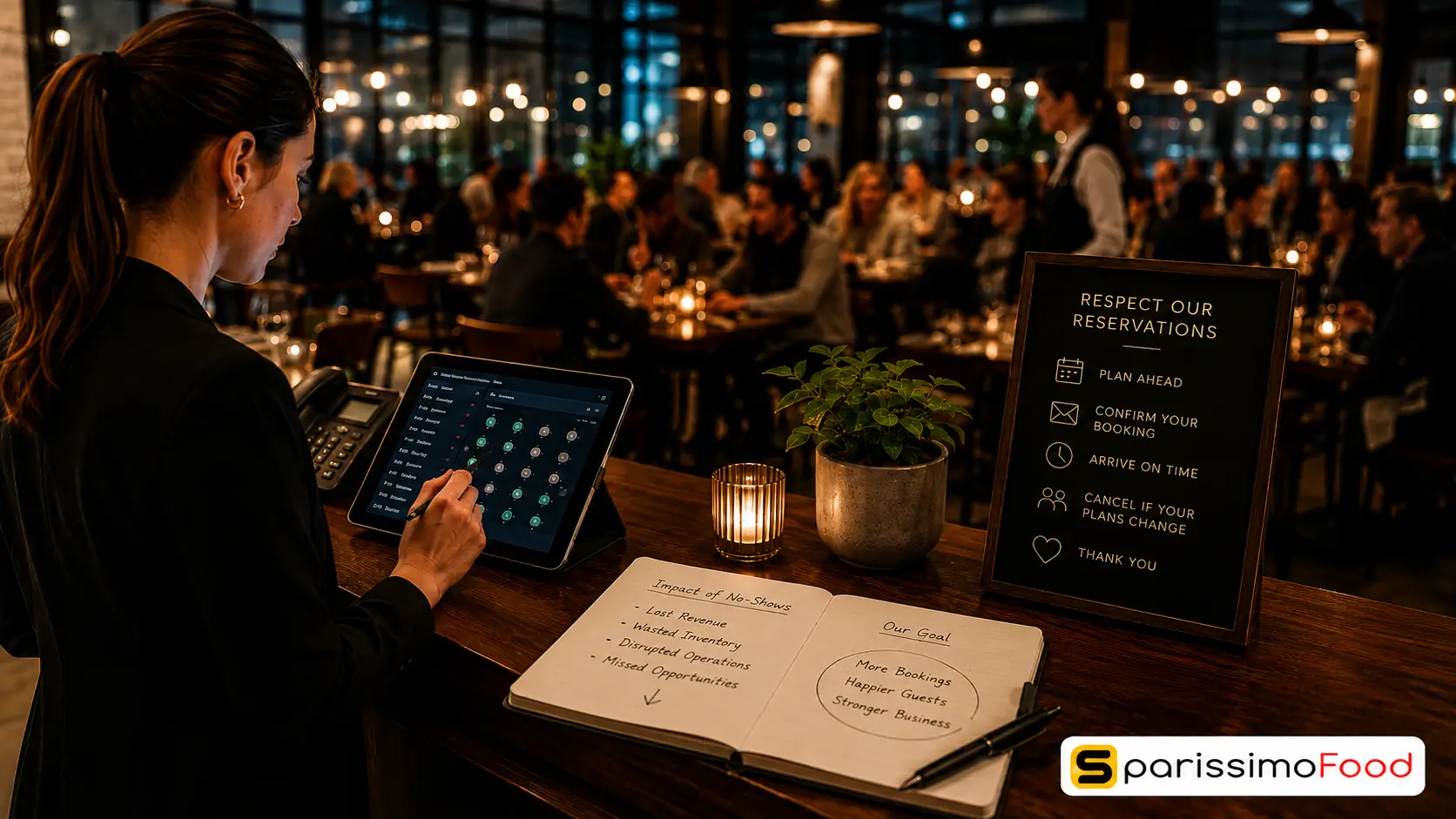
Booking and order reminders. SMS. A reminder around 24 hours ahead supports the approach in our guide to reducing restaurant no-shows.
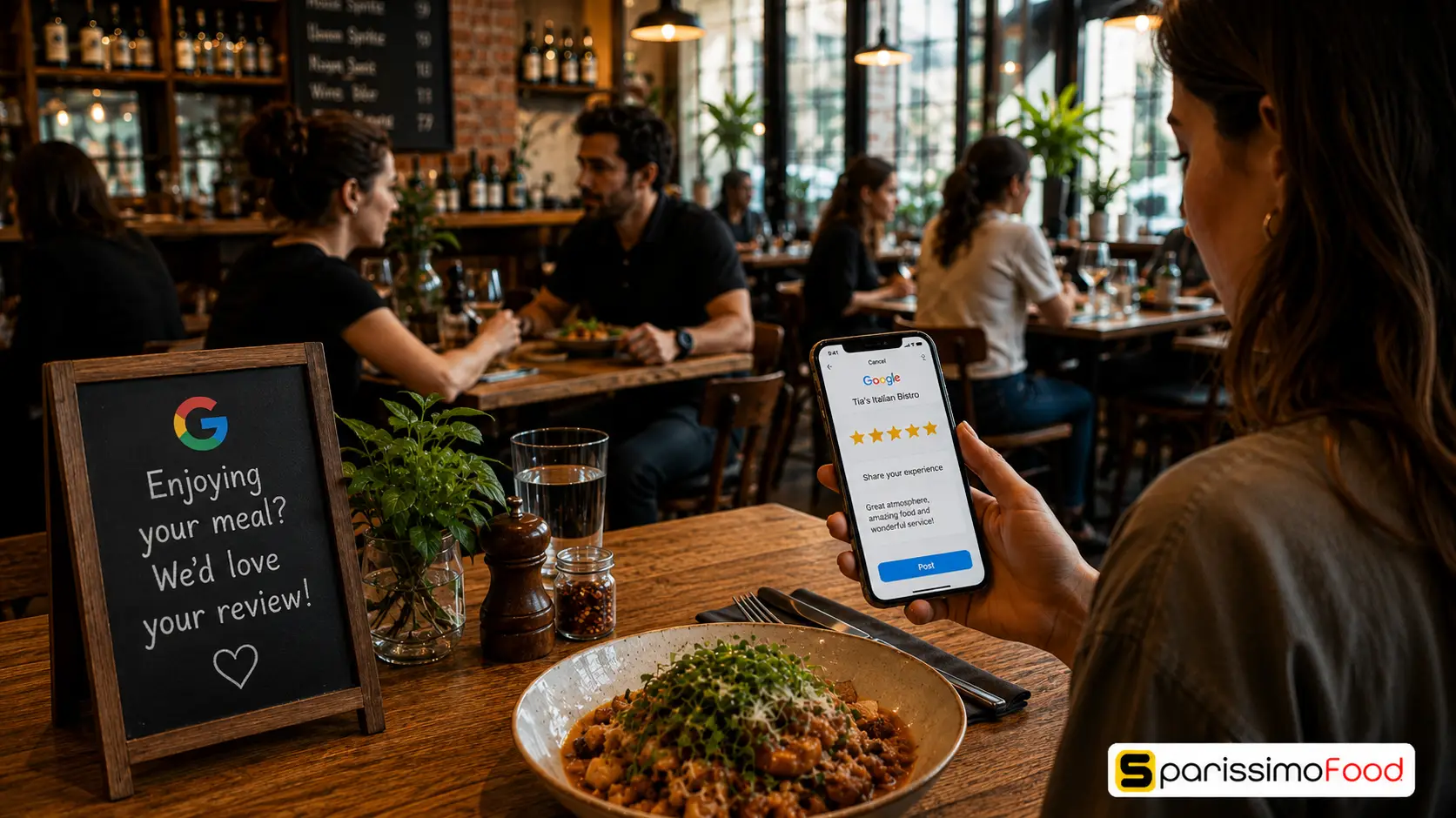
Review requests. SMS, 30 to 90 minutes after the visit, while the meal is fresh. The Google reviews guide covers the wording.
Weekly specials, new menus and seasonal campaigns. Email. A photo of the dish does most of the selling, and email has room for it.
Loyalty updates and explanations. Email. A points scheme needs more than 160 characters, as our analysis of whether restaurant loyalty programs work shows.
Win-back for lapsed guests. Both, in sequence. Send an email at 45 days without an order, then an SMS a week later only to guests who did not click.
Birthday offers. Either one. Email suits a longer treat, SMS suits a same-week offer.
For the email side in depth, see our restaurant email marketing guide, and for automation steps, our guide to automated SMS marketing.
How Often to Send and How to Write Each Message
Frequency decides whether a channel stays welcome. The consistent benchmark across SMS guides is two to four promotional texts a month per subscriber. For email, one to two promotional messages a month works for most restaurants, and automated messages such as a welcome or birthday email run on top because they feel personal.
A simple rule keeps both under control: one guest moment, one channel. If a guest just received a booking reminder by SMS, the same news does not also go out by email.
Two writing details save money and clicks:
- Mind the character limit. A standard SMS holds 160 characters. When a message needs more, it is split into segments of 153 characters each and billed per segment, so a 200-character text costs two messages.
- Watch for Unicode triggers. Umlauts and the Eszett belong to the standard SMS character set, so German copy is fine. Emoji, typographic quotes, dashes and letters such as ê or ç switch the message to Unicode, which cuts a single segment to 70 characters, as the Twilio character encoding reference explains.
Write SMS in the guest’s language. A guest who ordered in French in Lausanne should not receive a German offer, and the same logic applies to email subject lines.
Which Channel Should Your Restaurant Start With?
The answer to SMS marketing vs email marketing for restaurants depends on your guests and your contact list, so start with the channel that matches both.
- Pizzeria, kebab or takeaway with repeat orders. Start with SMS. Orders are impulse-driven, and a code that reaches the Natel at 11am converts the same day.
- Casual dining with bookings. Use both. SMS for reminders and quiet-night offers, email for menus and events.
- Fine dining or event-led venue. Start with email. Guests plan ahead, and rich content carries the story.
- New restaurant with few contacts. Collect both an email address and a mobile number at every order, then choose after your first 200 contacts based on which list grew faster.
If you hold far more email addresses than phone numbers, begin with email and add SMS as the list of numbers grows.
How SparissimoFood Helps With SMS and Email Marketing
Both channels depend on contacts you own. Guests ordering through a third-party marketplace stay the marketplace’s customers, while every guest who orders through SparissimoFood, at online checkout, by QR code at the table or through a reservation, leaves contact details that belong to your restaurant.
The marketing tools in the plans cover promotions, vouchers and email campaigns, and the reports show which orders came in, so the code-based redemption tracking above is a number you can pull rather than estimate. Because the phone numbers are yours, you can use them with whichever Swiss SMS provider suits your volume.
SparissimoFood charges a commission, just a lower one. Starter costs CHF 49 a month plus 8% per order, Business CHF 79 plus 5%, and Professional CHF 148 plus 5%. You can compare the plans and start a 14-day free trial without a credit card.
Frequently Asked Questions
Is SMS or email marketing better for restaurants?
In SMS marketing vs email marketing for restaurants, neither wins on every message. SMS is better for urgent, short, same-day messages such as a quiet-night offer or a booking reminder, because texts are usually read within minutes. Email is better for menus, photos and loyalty updates, and it costs almost nothing to send. Most restaurants get the best results by using both, with each message assigned to the channel that suits it.
Do I need consent for SMS and email marketing in Switzerland?
Yes. The Federal Act Against Unfair Competition requires explicit prior consent for mass advertising by email and SMS. One exception applies when a guest gave you their details during an order or booking and was told they could decline further messages. Every message must also name the sender and offer a free, easy opt-out. This is not legal advice, so check your set-up with your adviser.
How much does SMS marketing cost compared with email for a restaurant?
Swiss SMS prices run from roughly CHF 0.11 per message at high volume to about CHF 0.22 for small packages, so a text to 1,000 contacts costs CHF 110 to CHF 220. Email to the same list costs close to nothing on a small plan. At a CHF 22.12 contribution per order, an SMS campaign breaks even after 5 to 10 orders.
How often should a restaurant send SMS and email messages?
Two to four promotional SMS a month per subscriber is the common benchmark, and one to two promotional emails a month suits most restaurants. Automated messages such as welcome, reminder or birthday messages run on top. Raise the frequency only for a small, tightly segmented list that asked for those messages.
Are SMS open rates really 98%?
That figure comes from SMS vendors, not independent studies, and a text has no real open tracking, so treat it as a sign of attention, not proof of sales. Email open rates are also unreliable because Apple Mail Privacy Protection preloads messages. Measure clicks and redemptions with a unique code per campaign instead.
Send the urgent message by text, the full story by email, and let each guest’s own orders settle the argument.
.Ds4FHhSq_ZxC9WE.webp "Restaurant Upselling Techniques That Don't Feel Pushy")
.CXCr6fQt_Z11gsYh.webp "Build a Branded Restaurant App Without Developers")
.y09Xtv8Z_1gH6f6.webp "Set Up Restaurant Online Ordering in Under a Week")
.B-Rl4IDw_Z204OoN.webp "Restaurant Loss Prevention and Theft Guide")
.DPpk5JZR_AlrVy.webp "Restaurant Communication During Peak Hours | Guide 2026")
.B6eEizW1_Z2bHQYl.webp "Restaurant Menu Pricing Strategies That Actually Protect Your Margins in 2026")
.CRszlDy5_2neUXu.webp "How to Migrate from GloriaFood Without Disruption: A Technical Step-by-Step Guide")
.kT6N2QP-_1Tp2j1.webp "GloriaFood Is Shutting Down on April 30, 2027 — What Every Restaurant Owner Needs to Do Now")