
QR Code Menu vs Printed Menu: What Guests Prefer
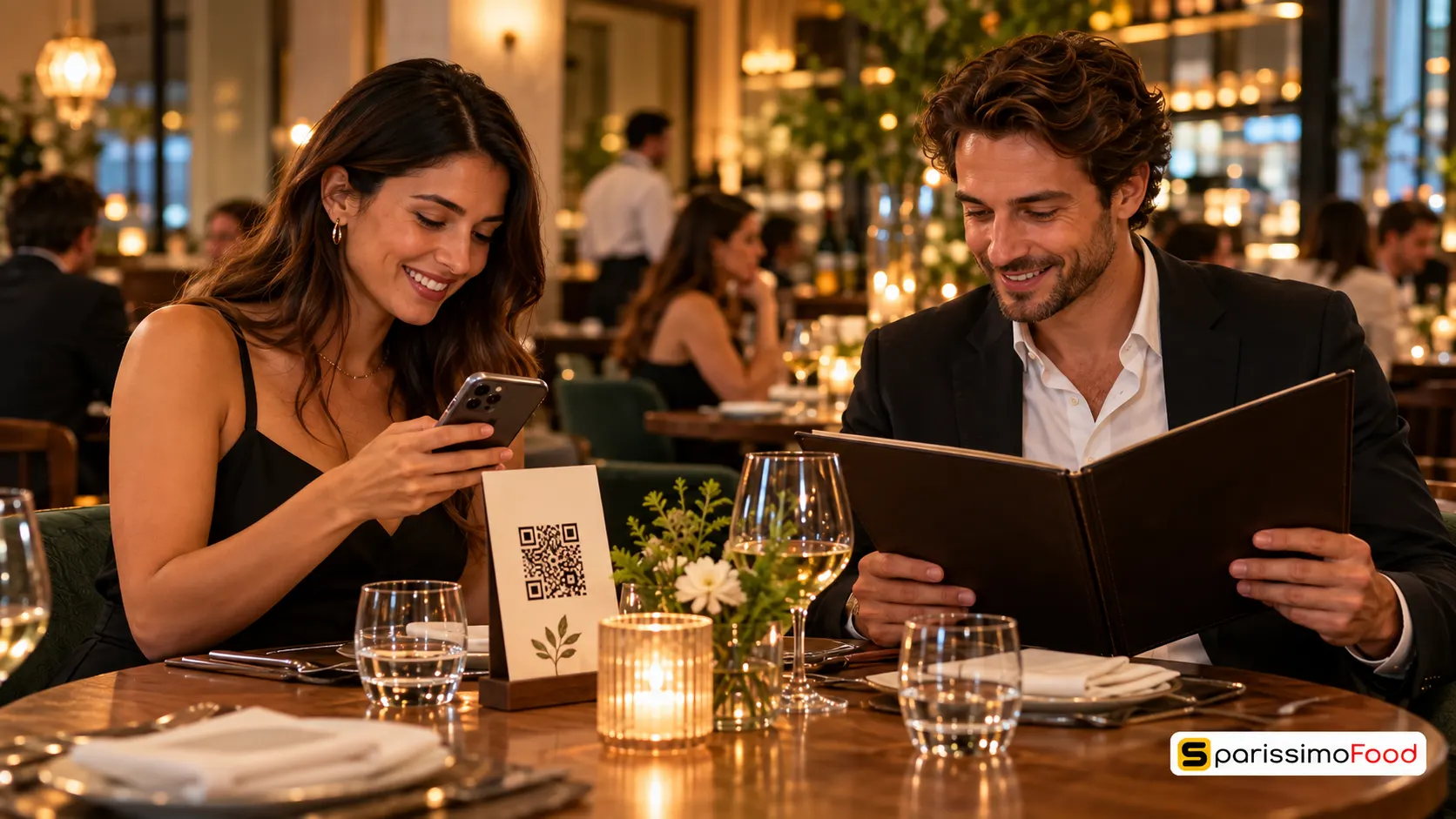

Quick Answer: In the QR code menu vs printed menu question, guests do not pick one format for everything. A May 2024 Lightspeed and Medallia survey of about 1,000 German diners found that around 44% scan a QR code when offered. Around 35% ask for a printed menu when a code is the only option. Guests tend to want paper for browsing and a phone for allergens, languages and paying, so a hybrid suits most Swiss restaurants: a printed menu plus a QR code for specials, allergens and ordering.
Search for QR code menu vs printed menu and every page names a different winner: one source says 78% of guests prefer QR, another says 88% prefer paper. Both numbers circulate because they measure different guests, countries and moments. Many quoted figures name no survey, sample size or year. This guide separates the sourced data from the noise and shows what it means for a Swiss restaurant.
QR Code Menu vs Printed Menu: What the Data Actually Says
Surveys on this topic disagree for three reasons. They ask about stated preference, not what guests actually do. They cover different countries and years. And the restaurant type changes the answer completely.
Here is what can be traced to a named source:
- Germany, May 2024. Lightspeed and Medallia surveyed about 1,000 German respondents, as reported by Gastgewerbe Magazin. Around 44% used QR code menus when they were offered. Around 35% asked for a printed menu when only a code was available. Around 24% saw a hygiene benefit, and close to one in three said they dislike digital menus.
- Stated preference in the same survey. Reports of it put the share who actively prefer QR code menus between 10% and 15%. Using a QR code and preferring one are not the same thing.
- United States, May 2022. A Technomic survey of 1,000 consumers, reported by Restaurant Business, found 88% preferred paper menus, while 67% agreed QR codes are more hygienic. It is older, American and from the pandemic aftermath, so read it as a direction, not a Swiss benchmark.
We did not find a published Swiss survey that measures guest preference directly. That gap is why the next section matters: the useful answer is not a percentage but a pattern.
The pattern in the German data is clear. Many guests use a QR code because it is the path of least resistance, yet a large minority want paper when they have the choice. Offering only one format loses someone either way.
What Guests Prefer by Moment: Browsing, Ordering and Paying
A better question than which format wins is which moment you are designing for. Guests judge a menu at several different points in a meal, and the best format changes at each one.
| Moment | Format guests tend to prefer | Why |
|---|---|---|
| Browsing at a sit-down dinner | Printed | Slow, shared, no phone on the table |
| Deciding as a group | Printed | One card passes around, everyone sees the same page |
| Checking allergens | QR code | Per-dish tags and filters that are always current |
| Reading in another language | QR code | One code, several languages |
| Ordering and paying at a quick lunch | QR code | No waiting for a server or a bill |
| Daily specials and sold-out dishes | QR code | Changes appear on every screen at once |
This table summarises where each format tends to win, based on the survey patterns above and operator experience, not on a single measured study.
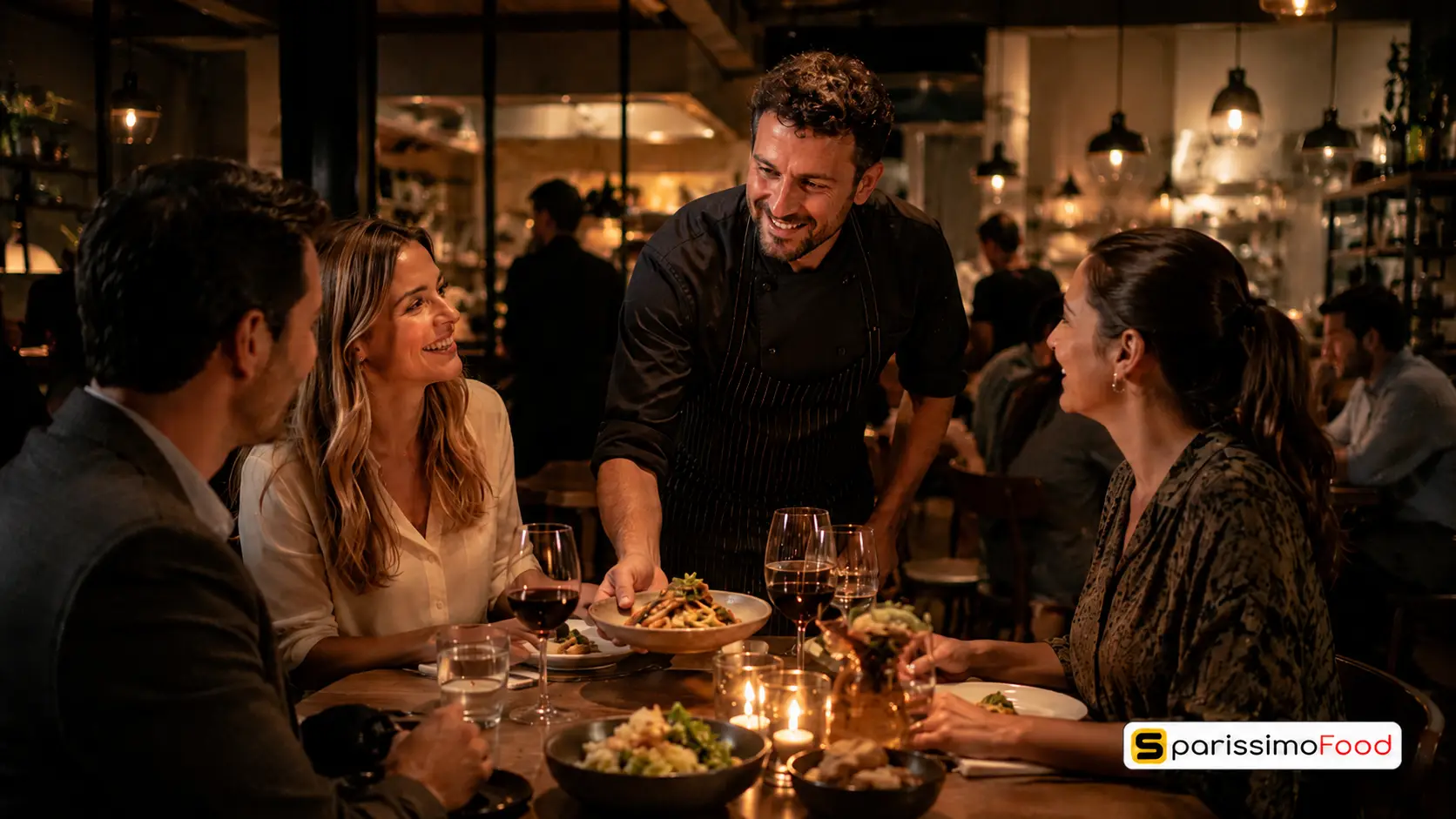
A Swiss example shows the same split. Wiesner Gastronomie, a family-owned group of around 30 restaurants in German-speaking Switzerland, went back to printed menus for evening service in 2026, according to watson.ch. The reasons given were the social, analogue feel of dinner and the way paper shows main courses. The group still uses digital tools for real-time allergen filters and fast midday payment. That is a hybrid menu in practice, and it is the model the rest of this guide builds on.
For a step-by-step setup of the digital side, see our guide to using QR code menus in your restaurant.
QR Code Menu vs Printed Menu by Restaurant Type
The right balance depends on what your guests are doing at the table.
Fine dining and wine-led restaurants. The menu is part of the experience, so keep a printed core menu. Use a QR code for allergen detail and wine information that changes by the bottle.
Family restaurants and pizzerias. Large groups, children and long orders make table ordering by QR code useful, because nobody has to flag down a server. Keep printed menus for guests who want to browse together.
Lunch spots and cafes. Speed decides here. A QR code that lets guests order and pay from the table fits a quick service better than any printed card.
Bars and takeaway counters. A QR code at the counter or on the door lets guests read the menu while they queue. Printed menus still help at the till.
City centres and tourist areas. Guests who do not read German need a menu they can read. A QR code with a language switch covers that from one code, as the next sections show.
Hotel restaurants. Guests range from business travellers on their phones to families who want paper. Offer both and let staff say so.
If menu layout and dish order matter to you, our menu engineering guide shows how placement changes what guests order, on paper and on screen.
Cost: QR Code Menu vs Printed Menu in Swiss Francs
Printing looks cheap until you count the reprints. Use this formula with your own print quote:
Annual print cost = copies per run × cost per copy × reprints per year + staff time per reprint × reprints per year
Here is a worked example. The figures are assumptions to replace with your own quote, not market averages.
| | Printed only | Hybrid |
|---|---|---|
| Copies per run | 40 | 40 |
| Cost per copy, printed and laminated | CHF 9 | CHF 9 |
| Cost per run | CHF 360 | CHF 360 |
| Reprints per year | 4 | 1 |
| Print cost per year | CHF 1,440 | CHF 360 |
| Staff time, 2 hours at CHF 30 per reprint | CHF 240 | CHF 60 |
| QR table cards, 15 tables at CHF 4, one-off | Not needed | CHF 60 |
| Total in year one, before any platform fee | CHF 1,680 | CHF 480 |
On these assumptions, the hybrid saves CHF 1,200 in year one and CHF 1,260 a year after that. The saving comes from printing the stable core menu once and moving fast-changing items to the QR code.
If you buy a platform only for the QR menu, subtract its fee. A CHF 49 monthly fee is CHF 588 a year, which would cut the year-one saving to CHF 612. If you already run online ordering, the QR menu adds almost nothing.
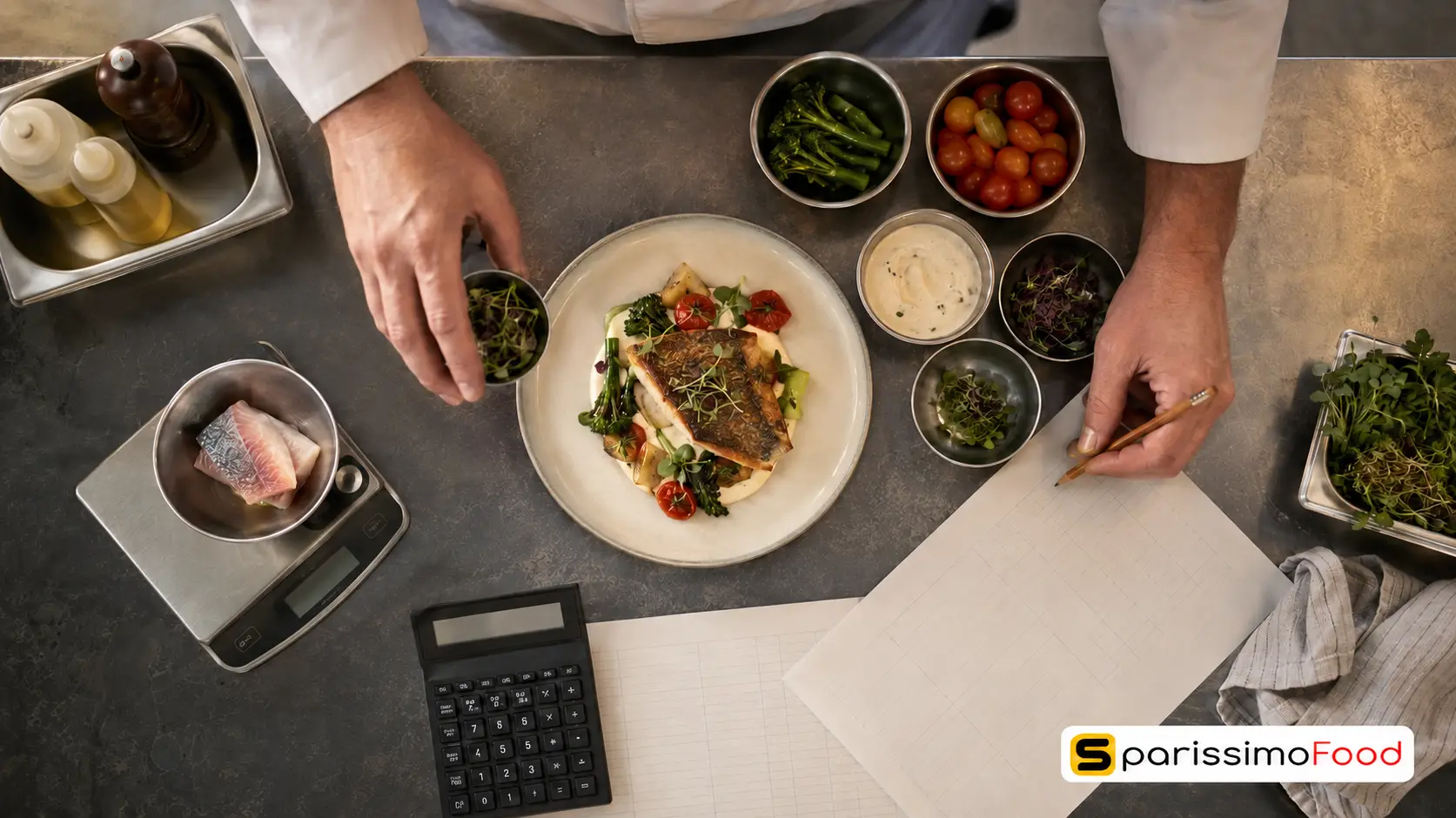
Printing has one more cost that is easy to miss. A price change forces a reprint, or a sticker, or a wrong price on the table. Our guide to restaurant menu pricing strategies covers how often prices should move, which tells you how often a printed menu must too.
Swiss Realities: Allergens, Four Languages and TWINT
Three Swiss factors change the QR code menu vs printed menu comparison.
Allergens. Since 2017, Swiss food law has required restaurants to disclose the listed allergens in non-prepacked food. They can do it in writing or orally on request, as long as a visible notice tells guests how to ask. GastroSuisse explains both routes, in German. A QR menu with per-dish allergen tags can serve as written information, and a change to a recipe updates it in one place. A 2021 study in Allergo Journal International found that 86% of surveyed Swiss food businesses gave allergen information orally. Close to 40% displayed no notice about how to get it. A guest without a phone still needs a staff member who can answer, so keep the notice and the training in place. This is general information, not legal advice, so confirm your set-up with your cantonal food inspectorate.
Languages. Switzerland has four national languages, and most restaurants in cities and tourist areas also serve English speakers. A printed menu needs a version per language, and each one needs reprinting when prices move. A QR menu can switch language with one tap from a single code.
Payment. A QR code that only shows the menu saves printing and helps with updates. A QR code that also takes payment, including TWINT, saves the wait for the bill as well. That step affects how long a table stays occupied. Our table turnover guide shows how much a few minutes per table are worth.
Guests Who Struggle With QR Code Menus
Around 35% of German diners in the 2024 survey asked for paper when only a QR code was on offer. An unprepared QR-only restaurant loses some guests at the door. Age is only one reason. A flat battery, no signal, a wish to keep phones away from the table or plain preference all send guests to paper.
A few habits remove most of the friction:
- Say it out loud. A server who says “scan the code, or I will bring you a menu” removes the awkward moment.
- Keep paper at the host stand. Four or five printed menus cover guests who ask.
- Size the code properly. Print it at least 2.5 by 2.5 centimetres, with a one-line instruction below it.
- Keep the page light. A menu that loads fast on a weak signal and needs no app or account works for more guests.
- Offer large print. A larger-type card helps guests who find small screens or small text hard, and a well-built QR page that supports zoom helps the same guests.
None of this treats QR code menus as a problem. It treats guests as different, which they are.
How to Run a Hybrid Menu Without Doubling Your Work
The practical answer to QR code menu vs printed menu is one master menu feeding two formats. It fails when you maintain two separate menus by hand. These five steps keep it to one.
- Make the digital menu the master. Edit prices, dishes and allergens there first. Produce the printed menu from it.
- Print what rarely changes. Core dishes and the layout belong on paper. Specials, sold-out items, seasonal dishes and allergen detail belong on the QR code.
- Offer both without being asked. Put the code and a printed menu on the table or hand them over together.
- Put the allergen notice on both. The printed card and the QR page should both tell guests how to get allergen information.
- Test for two weeks. Run half your tables paper-first and half QR-first. Compare average spend per cover, time to first order and guest comments, then adjust.
The test matters because the evidence is mixed. Printed menus can lift main-course sales in a dining room, as the Swiss group above found, while QR ordering can cut waiting at lunch. Your own tables decide which effect is bigger.
How SparissimoFood Helps With QR Table Ordering
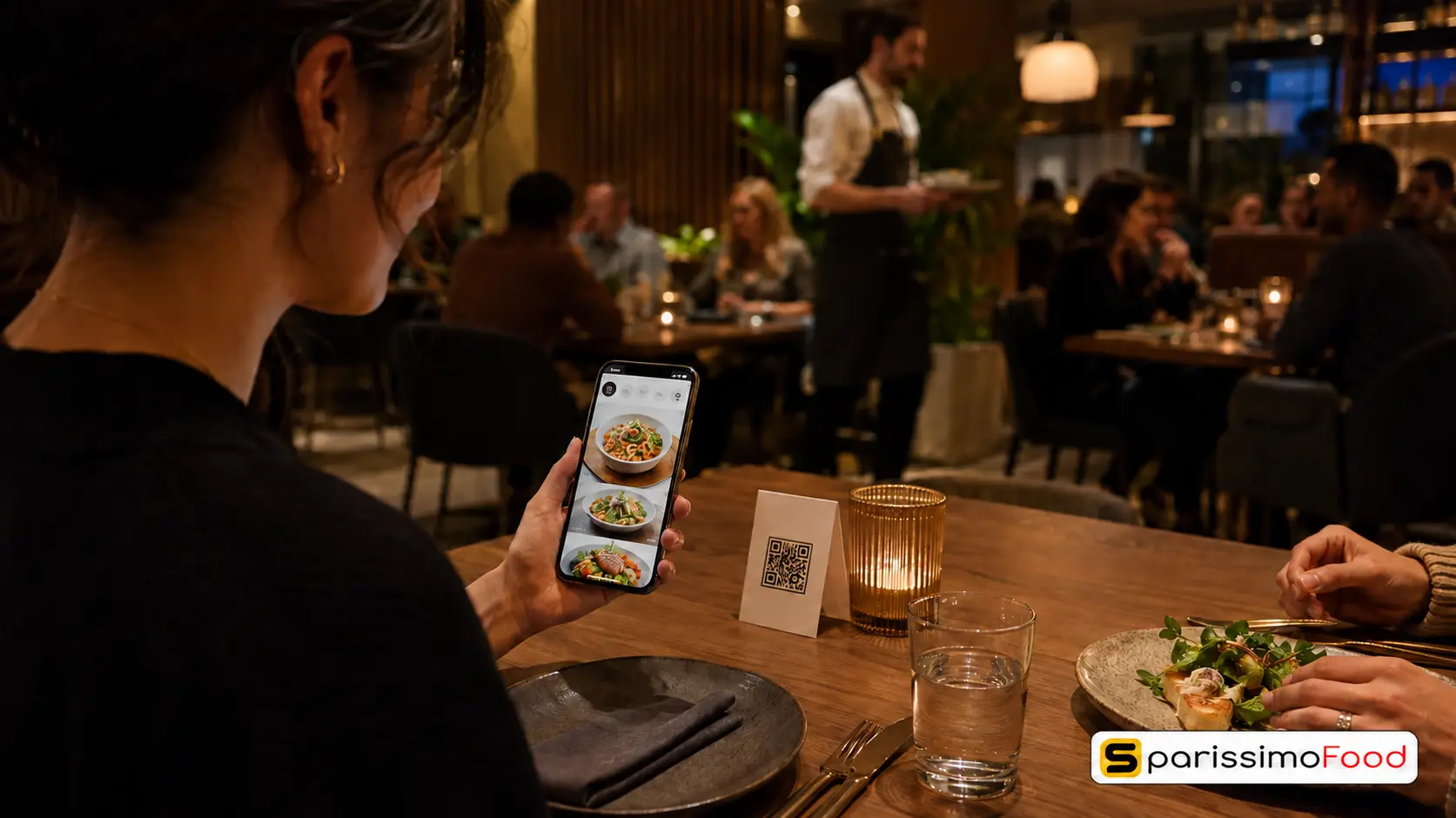
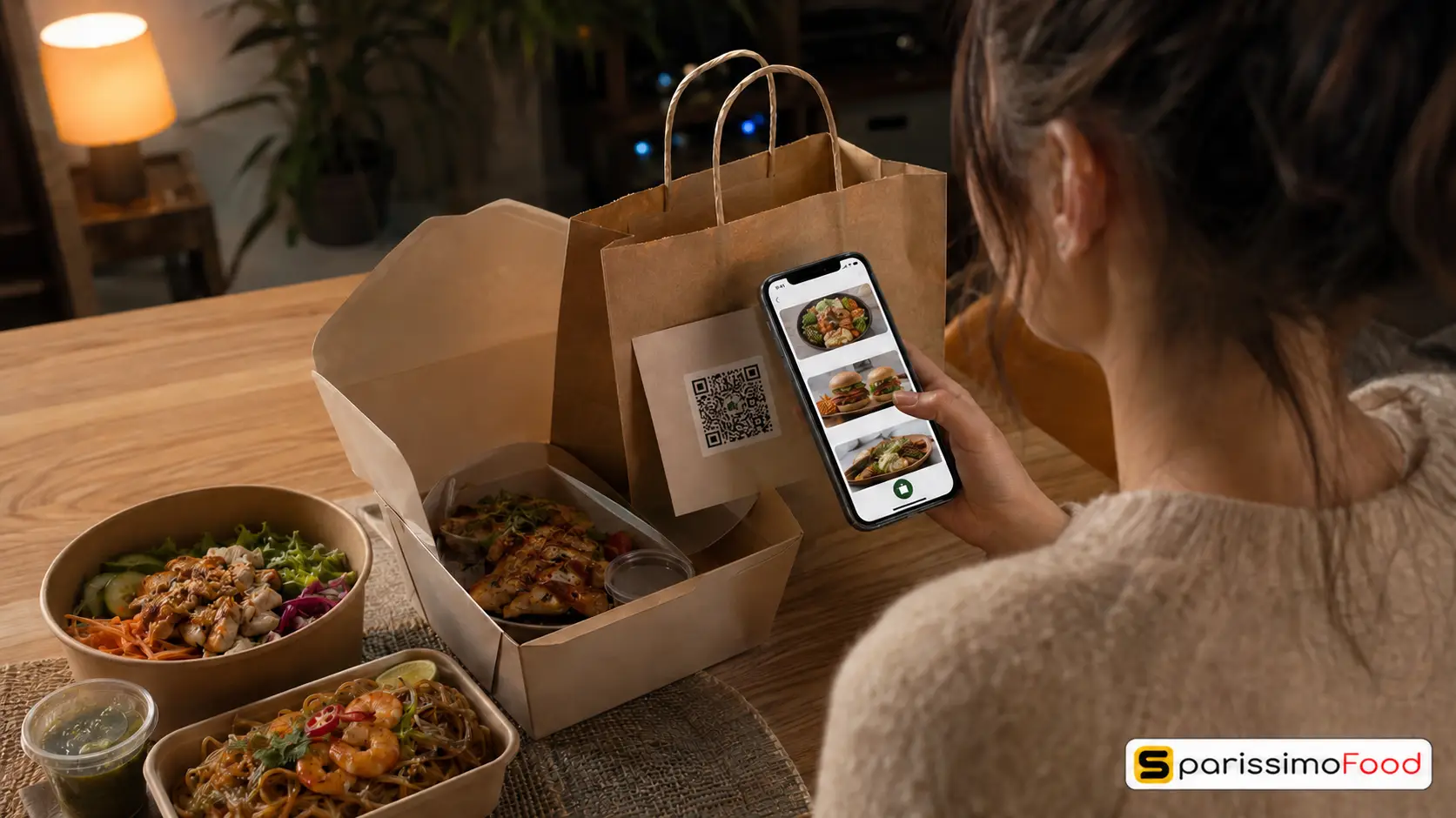
A hybrid menu only works if the QR side does more than open a PDF. SparissimoFood gives each table its own QR code, so an order reaches the kitchen already tagged with the table number. The code opens the same menu you use for online ordering, so one update covers every channel, including a dish marked as sold out.
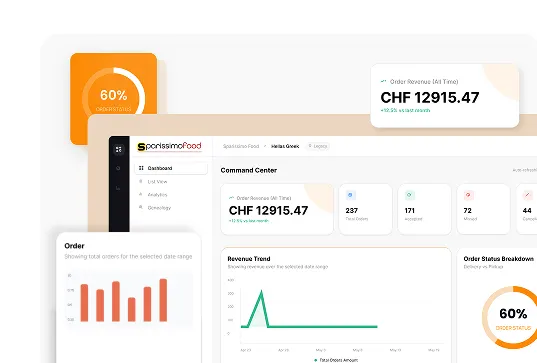
Guests can pay by TWINT or card at the table, and the manager dashboard shows QR orders separately from delivery and pickup. That lets you compare spend per order across channels and run the two-week test above with real numbers.
QR ordering in the restaurant is part of all three plans. Starter costs CHF 49 a month plus 8% per order, Business CHF 79 plus 5% and Professional CHF 148 plus 5%. SparissimoFood charges a commission, so model your own order mix before choosing a plan. You can compare the plans and start a 14-day free trial without a credit card, which is long enough to run the table test.
Frequently Asked Questions
Do guests prefer QR code menus or printed menus?
Surveys point to a split by moment, not one winner. In a May 2024 survey of about 1,000 German diners by Lightspeed and Medallia, around 44% scanned QR codes when offered. Around 35% asked for a printed menu when only a code was available. Guests tend to prefer paper for browsing at a sit-down meal and phones for allergens, languages and paying. No Swiss survey measuring this directly was found, so test it with your own guests.
Is a QR code menu cheaper than a printed menu in Switzerland?
Usually, when your menu changes often. With example costs of CHF 360 per reprint and four reprints a year, printing costs about CHF 1,680 a year including staff time. A hybrid with one reprint costs about CHF 480 in year one. If you buy a platform only for the QR menu, subtract its annual fee. Use your own print quote to run the formula.
Can a QR code menu replace the printed menu under Swiss allergen rules?
Swiss food law lets restaurants disclose the listed allergens either in writing or orally on request, as long as a visible notice tells guests how to ask. A QR menu with per-dish allergen tags can serve as the written information, but guests without a phone still need staff who can answer. Confirm your set-up with your cantonal food inspectorate. This is general information, not legal advice.
Should I keep printed menus for older guests?
Keep a few printed menus for every guest who asks, not only older ones. In the 2024 survey, around 35% of German diners asked for a printed menu when only a QR code was offered. Age is one factor, and low battery, weak signal and a wish for a social meal matter too. A server who offers both formats in one sentence solves it without a sign.
Do QR code menus increase restaurant sales?
The evidence is mixed. Vendor reports of higher average spend usually come from QR ordering and payment, not from showing a menu on a phone, and independent Swiss data is thin. One Swiss group reported better sales with printed menus in the evening. Run a two-week test with half your tables paper-first and half QR-first, then compare average spend per cover.
Paper sells the evening, the phone saves the minutes, and the best menu offers both.
.Ds4FHhSq_ZxC9WE.webp "Restaurant Upselling Techniques That Don't Feel Pushy")
.CXCr6fQt_Z11gsYh.webp "Build a Branded Restaurant App Without Developers")
.y09Xtv8Z_1gH6f6.webp "Set Up Restaurant Online Ordering in Under a Week")
.B-Rl4IDw_Z204OoN.webp "Restaurant Loss Prevention and Theft Guide")
.DPpk5JZR_AlrVy.webp "Restaurant Communication During Peak Hours | Guide 2026")
.B6eEizW1_Z2bHQYl.webp "Restaurant Menu Pricing Strategies That Actually Protect Your Margins in 2026")
.CRszlDy5_2neUXu.webp "How to Migrate from GloriaFood Without Disruption: A Technical Step-by-Step Guide")
.kT6N2QP-_1Tp2j1.webp "GloriaFood Is Shutting Down on April 30, 2027 — What Every Restaurant Owner Needs to Do Now")